

Plastic Welding Rods

Pay in 3 interest-free payments on purchases from £20-£3000 with  . Learn more.
 Loading...
End of content
Error - No more pages to load
About Plastic Welding Rods
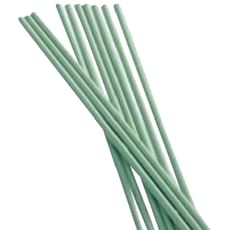
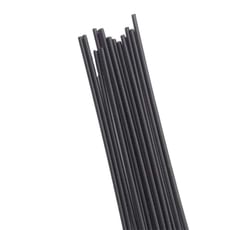
Plastic welding rods are essential consumables used in the repair and joining of thermoplastic materials. These specialised rods are heated alongside the parent plastic material to create strong, permanent bonds that restore structural integrity to damaged plastic components. Available in various polymer formulations including ABS (Acrylonitrile Butadiene Styrene), PP (Polypropylene), PE (Polyethylene), HDPE (High-Density Polyethylene), and PS (Polystyrene), each rod type is chemically matched to specific plastic substrates to ensure optimal adhesion and durability.
The plastic welding process involves heating both the welding rod and the base material to their melting points, allowing them to fuse together as they cool. This technique is widely used for repairing automotive components, industrial plastic fabrications, agricultural equipment, and consumer products. Tooled-Up.com stocks plastic welding rods from trusted brands including Sealey and Steinel, offering professionals and DIY enthusiasts access to quality consumables that deliver reliable results across a range of plastic repair applications.
Selecting the correct rod composition is critical for successful plastic welding. Using mismatched materials will result in weak bonds that fail under stress. Professional-grade welding rods are typically supplied in bundles or packs, with clear labelling to identify the polymer type. Whether repairing bumpers, water tanks, kayaks, or industrial containers, having the appropriate welding rods ensures repairs are both cost-effective and long-lasting compared to component replacement.
Jargon Buster
- ABS (Acrylonitrile Butadiene Styrene): A common thermoplastic polymer known for its impact resistance and rigidity, frequently used in automotive trim, appliance housings, and protective equipment.
- PP (Polypropylene): A versatile, chemical-resistant plastic with excellent fatigue resistance, commonly found in automotive components, containers, and industrial applications.
- PE (Polyethylene): One of the most widely produced plastics, available in various densities. PE is flexible, chemical-resistant, and commonly used in tanks, pipes, and agricultural equipment.
- HDPE (High-Density Polyethylene): A stronger, more rigid form of polyethylene with excellent strength-to-density ratio, used in fuel tanks, cutting boards, and heavy-duty containers.
- Thermoplastic: A type of plastic that becomes pliable when heated and solidifies upon cooling, allowing it to be welded, reshaped, and recycled multiple times without significant chemical degradation.
- Heat Welding: The process of joining thermoplastics by heating both the base material and filler rod to their melting temperatures, creating a molecular bond as they cool and solidify together.
Who Uses Plastic Welding Rods?
- Automotive Body Repair Technicians: Repairing plastic bumpers, trim panels, dashboard components, and underbody shields
- Agricultural Engineers: Maintaining and repairing plastic water tanks, irrigation components, and agricultural machinery housings
- Marine Repair Specialists: Fixing kayaks, canoes, boat fenders, and other marine plastic equipment
- Manufacturing and Fabrication Professionals: Joining plastic components in industrial production and custom fabrication projects
- Maintenance Engineers: Conducting on-site repairs to industrial plastic equipment, containers, and protective enclosures
- Plumbers and Heating Engineers: Repairing plastic water tanks, pipework, and heating system components
- DIY Enthusiasts and Home Repairers: Fixing household plastic items, garden equipment, and consumer products
- Waste Management Professionals: Repairing wheelie bins, recycling containers, and waste handling equipment
How to Choose the Right Plastic Welding Rods
Material Identification: The most critical factor is matching the welding rod to the base plastic material. Check manufacturer markings, recycling symbols, or conduct a simple burn test to identify the polymer type. Using incompatible materials will result in failed repairs.
Rod Diameter and Profile: Welding rods are available in different diameters and profiles (round, flat, triangular). Thicker rods suit larger repairs and provide more filler material, whilst thinner rods offer greater precision for detailed work. Flat profile rods from brands available at Tooled-Up are particularly useful for creating smooth, flush surfaces.
Welder Compatibility: Ensure the rods are compatible with your plastic welding equipment. Many rods are designed for specific welder models, such as the Sealey SDL14 plastic welder. Check manufacturer specifications to confirm compatibility before purchasing.
Application Requirements: Consider the working environment and stresses the repair will face. For high-stress automotive applications, premium-grade rods offer superior tensile strength. For cosmetic repairs, focus on colour matching and surface finish quality.
Quantity and Pack Size: Professional users undertaking multiple repairs should consider purchasing rods in larger quantities for better value, whilst DIY users may prefer smaller packs for occasional use.
Popular Accessories
- Plastic Welding Guns: Hot air welding tools including models from Sealey and Steinel for heating and fusing thermoplastics
- Heat Guns: Variable temperature heat guns suitable for plastic forming and pre-heating repair areas
- Welding Nozzles: Specialist nozzles including tack welding tips, speed welding nozzles, and hot air pencils for different application techniques
- Plastic Preparation Tools: V-grooving tools, rotary burrs, and filing sets for preparing weld joints
- Surface Preparation Materials: Cleaning solvents, abrasives, and degreasing agents for ensuring contamination-free welding surfaces
- Safety Equipment: Heat-resistant gloves, safety glasses, and ventilation equipment for protecting against fumes and heat
- Finishing Tools: Plastic scrapers, files, and sanding materials for achieving smooth, professional finishes
Safety Information
Plastic welding generates fumes that may be harmful when inhaled. Always work in well-ventilated areas or use appropriate extraction equipment. Some thermoplastics release particularly hazardous fumes when heated, so consult material safety data sheets and follow HSE guidance for workplace exposure limits.
Welding equipment and recently welded materials reach extremely high temperatures. Wear appropriate heat-resistant gloves and eye protection throughout the welding process. Keep combustible materials away from the work area and never leave hot equipment unattended.
Ensure proper identification of plastic materials before welding. Some plastics cannot be safely welded and may release toxic fumes when heated. When uncertain about material composition, conduct small test welds in well-ventilated areas before proceeding with repairs.
Frequently Asked Questions
How do I identify which plastic welding rod I need?
Check for recycling symbols or manufacturer markings on the plastic component. Common symbols include PP (Polypropylene), PE (Polyethylene), ABS, and HDPE. If unmarked, a simple burn test can help identify the plastic type, though this should be done cautiously with proper ventilation. The welding rod must match the base material exactly for a successful repair.
Can I use plastic welding rods on any type of plastic?
No, plastic welding rods only work with thermoplastics – plastics that can be repeatedly melted and reformed. Thermoset plastics like fibreglass, epoxy resins, and some polyurethanes cannot be welded and require alternative repair methods such as adhesives or mechanical fasteners.
What temperature should I use when welding with plastic rods?
Temperature varies depending on the plastic type. Generally, ABS requires approximately 260-280°C, PP around 240-270°C, and PE between 250-280°C. Consult your welding equipment manufacturer's guidelines and rod packaging for specific recommendations. Using excessive heat can degrade the plastic, whilst insufficient heat prevents proper fusion.
Are plastic welded repairs as strong as the original material?
When performed correctly with matched materials and proper technique, plastic welds can achieve 70-90% of the original material strength. The quality depends on surface preparation, correct temperature, and welding technique. For critical structural applications, reinforcement with additional material or backing plates may be advisable.
Do I need different equipment for different plastic welding rods?
Most plastic welding equipment can accommodate various rod types, though some welders are optimised for specific applications. The key is ensuring your welder reaches the appropriate temperature range for your chosen material. Rod diameter compatibility with your equipment's nozzle is also important for effective welding.