

Plug Cutters

Pay in 3 interest-free payments on purchases from £20-£3000 with  . Learn more.
 Loading...
End of content
Error - No more pages to load
About Plug Cutters
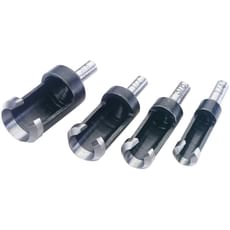
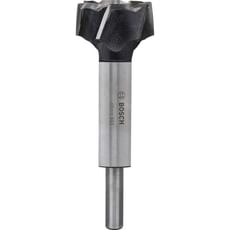
Plug cutters are specialised woodworking tools designed to create perfectly cylindrical wooden plugs that conceal screw heads, fill knotholes, or create dowels for joinery applications. These precision cutting tools attach to a standard drill or drill press and work by boring into timber to extract a smooth, uniform plug that can be used to cover countersunk screws or repair defects in wood. The result is a seamless, professional finish that's far superior to using plastic caps or filler, particularly when working with quality hardwoods where aesthetics matter.
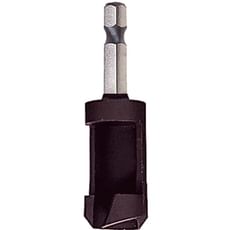
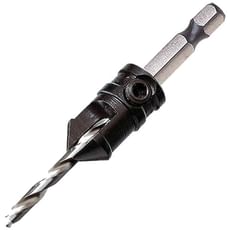
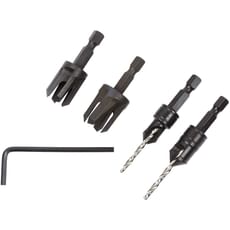
Available at Tooled-Up.com in various sizes and configurations, plug cutters typically range from 6mm to 25mm in diameter, with some sets offering multiple sizes for different screw gauges and applications. Professional-grade plug cutters feature precision-ground cutting edges that create clean, smooth-sided plugs with minimal tearout, even in challenging hardwoods like oak and beech. Many models include depth stops or are designed to cut plugs at optimal lengths for countersunk holes, while some advanced systems like the Trend Snappy range combine drill bits, countersinks and plug cutters into integrated solutions for complete screw concealment workflows.
The selection at Tooled-Up features trusted brands including Trend, Faithfull, Bosch Professional and Draper, offering both individual cutters for specific sizes and comprehensive sets that cover the most common screw gauges used in furniture making, cabinetry and joinery work. Whether you're a professional joiner working on high-end installations or a DIY enthusiast restoring period furniture, having the right plug cutter ensures your woodworking projects maintain a flawless appearance.
Jargon Buster
- Plug Cutter: A cylindrical drill bit-style tool that cuts circular wooden plugs from timber, leaving a smooth-sided dowel that can be extracted and used to conceal screw heads or fill holes.
- Countersink: A conical hole drilled into timber that allows screw heads to sit flush with or below the surface, creating space for a wooden plug to cover the fastener completely.
- Tenon: A cylindrical wooden projection created by plug cutters that can be used for dowel joints or as decorative wooden pegs in traditional joinery and furniture making.
- Concentricity: The precision with which a plug cutter rotates around its central axis; high concentricity ensures perfectly round plugs and prevents wobble that can cause tearout or oversized holes.
- Cross-Grain Cutting: The orientation when plug cutters extract plugs perpendicular to the wood grain; plugs cut with the grain showing on their face are stronger and blend better when matched to the surrounding timber.
- Depth Stop: A collar or mechanism that limits how deep a plug cutter penetrates, ensuring consistent plug lengths and preventing the cutter from boring completely through workpieces.
Who Uses Plug Cutters?
- Joiners and Cabinet Makers: For concealing fixings in high-quality furniture, fitted kitchens and bespoke joinery where visible screws would compromise aesthetics
- Carpenters: For creating dowels, covering structural fixings in exposed timber work and repairing knotholes in solid wood applications
- Shopfitters and Exhibition Fitters: For seamless fixture installations where a professional, polished appearance is essential for retail and display environments
- Boat Builders: For concealing deck fittings and creating watertight screw installations in marine woodwork where corrosion protection is critical
- Furniture Restorers: For repairing damaged timber, filling old screw holes and maintaining period authenticity in antique furniture restoration
- DIY Enthusiasts: For home woodworking projects, deck building and furniture making where a professional finish elevates the quality of handmade items
- Flooring Specialists: For concealing fixings in hardwood flooring installations and repairing surface defects in timber floors
How to Choose the Right Plug Cutters
Size and Screw Compatibility: Match plug cutter diameter to your countersunk hole size, which depends on the screw gauge you're concealing. Standard UK screw sizes (6, 8, 10, 12) correspond to specific plug cutter diameters, typically ranging from 10mm to 16mm. Sets like the Faithfull 4 Piece or Draper 4 Piece collections cover the most common sizes for general joinery work.
Cutting Quality and Geometry: Professional-grade cutters feature precision-ground cutting edges with optimised geometry and multiple relief angles that reduce friction and prevent burning. Brands like Bosch Professional and Trend offer superior concentricity and sharper cutting edges that produce cleaner plugs with less tearout, particularly important when working with figured hardwoods or cross-grain cutting.
Shank Type and Compatibility: Most plug cutters feature standard round shanks (typically 6mm or 8mm) that fit conventional drill chucks, though some professional models use hex shanks for quick-change systems. Consider whether you'll be using a handheld drill or drill press, as the latter provides better control and more consistent results, especially with larger diameter cutters.
Individual Cutters vs. Sets: If you work primarily with one screw size, a single cutter may suffice, but most tradespeople benefit from a set covering multiple diameters. Integrated systems like the Trend Snappy range, which includes matching drill bits, countersinks and plug cutters, streamline workflows and ensure perfect compatibility between drilling, countersinking and plug cutting operations.
Material and Durability: High-carbon steel plug cutters maintain sharp edges longer than basic models and can be resharpened when dulled. Consider the volume of work you undertake – professional joiners working daily with hardwoods should invest in premium cutters that withstand continuous use without degrading cut quality.
Popular Accessories
- Drill Press or Pillar Drill: Provides precise, perpendicular cuts for perfectly straight plugs and safer operation than handheld drilling
- Countersink Bit Sets: Create the tapered recess for screw heads before applying plugs; matching countersinks to plug cutters ensures proper fit
- Depth Stops and Collars: Control plug length consistently across multiple cuts for uniform results
- Wood Glue: High-quality PVA or polyurethane adhesive for securing plugs permanently once trimmed flush
- Plug Extractors: Specialised tools for removing cut plugs from the cutter without damage, particularly useful with longer plugs
- Flush Cut Saws: Fine-toothed Japanese-style saws for trimming proud plugs without scratching surrounding timber
- Random Orbital Sanders: For final finishing after plug installation, blending the repair seamlessly with the surrounding surface
- Drill Bits and Countersink Sets: Integrated systems that match perfectly with plug cutters for complete screw concealment solutions
Safety Information
Personal Protective Equipment: Always wear safety glasses or goggles when operating plug cutters, as wood chips and dust can be ejected forcefully during cutting. Hearing protection is advisable when using power drills at high speeds, and dust masks prevent inhalation of fine wood particles, particularly important when working with hardwoods or treated timber.
Secure Workpiece Clamping: Always clamp workpieces firmly before cutting plugs. The rotational force of plug cutters can cause unsecured timber to spin dangerously, particularly when cutting larger diameter plugs or working with smaller offcuts. Never attempt to hold workpieces by hand during operation.
Correct Speed Settings: Run plug cutters at appropriate speeds for the timber species and cutter diameter – typically 1000-2000 RPM for larger cutters in hardwood, higher speeds for smaller diameters in softwood. Excessive speed causes burning and premature dulling, while insufficient speed increases the risk of binding and kickback.
Drill Press Advantages: Where possible, use a drill press rather than handheld drills for plug cutting. The controlled, perpendicular approach reduces wandering, binding and the risk of the cutter snatching, particularly important with larger diameter cutters that generate significant torque.
Frequently Asked Questions
What size plug cutter do I need for standard wood screws?
For UK gauge 8 screws (most common in furniture making), use a 12mm plug cutter. Gauge 6 screws typically require 10mm cutters, gauge 10 needs 13mm, and gauge 12 requires 16mm. The plug should fit snugly in the countersunk hole without gaps. Four-piece sets from Faithfull or Draper cover these standard sizes comprehensively.
Can I use plug cutters in a handheld drill or do I need a drill press?
Plug cutters work in both handheld drills and drill presses, though a drill press provides better control, perpendicular accuracy and safer operation. For occasional use and smaller diameter cutters (up to 12mm), a handheld drill is acceptable if you work carefully and ensure the drill is perpendicular to the surface. Larger cutters and production work benefit significantly from drill press stability.
How do I match the grain direction when cutting plugs?
Cut plugs from timber with the grain running parallel to the plug's length (along the cylinder). When installed, orient the plug so its end grain matches the surrounding timber's grain direction and colour as closely as possible. Many professionals cut plugs from offcuts of the same timber species used in the project for seamless colour and grain matching.
Why are my plugs splitting when I extract them from the cutter?
Splits typically occur when plugs are too long (cutting too deep), the cutter is dull, or you're forcing extraction. Cut plugs to 10-15mm length maximum, ensure your cutter is sharp with clean cutting edges, and gently twist plugs while pulling to release them. Some woodworkers tap the cutter gently against a bench to loosen stubborn plugs rather than forcing extraction.
Can plug cutters be used on all wood types?
Quality plug cutters like those from Bosch Professional and Trend work effectively in both softwoods (pine, cedar) and hardwoods (oak, beech, ash). However, very hard or figured woods may require slower speeds and sharper cutters to prevent tearout. MDF and plywood generally produce poor quality plugs due to their layered construction, though solid timber plugs can be used to conceal fixings in these materials.