

Plugging Chisels

Pay in 3 interest-free payments on purchases from £20-£3000 with  . Learn more.
 Loading...
End of content
Error - No more pages to load
About Plugging Chisels
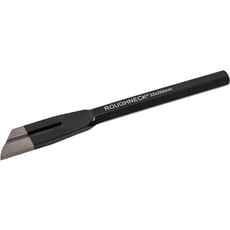
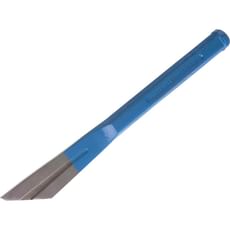
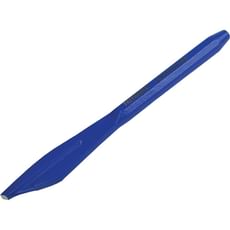
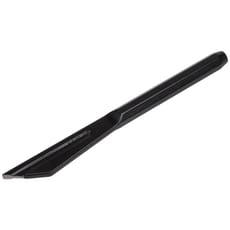
Plugging chisels are specialist hand tools designed specifically for removing old mortar and cement from between bricks and blocks during repointing work or brick removal. Unlike standard cold chisels, plugging chisels feature a cutting edge that is wider than the blade body, which prevents the tool from becoming wedged in the joint whilst allowing precise removal of deteriorated pointing material. The distinctive design typically includes either a fluted or grooved shaft that helps channel debris away from the working area, making the task cleaner and more efficient.
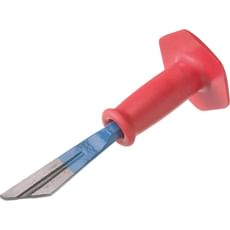
Available at Tooled-Up.com from trusted manufacturers including Faithfull, FootPrint, Roughneck, and Sealey, these durable chisels are forged from hardened steel to withstand repeated hammer strikes without mushrooming or splitting. The range includes various widths to accommodate different joint sizes, with common dimensions ranging from 5mm to wider profiles for larger masonry joints. Many models feature a textured grip area or protective hand guards to improve control and safety during extended use.
Whether tackling heritage restoration projects requiring careful mortar removal or preparing walls for fresh repointing, plugging chisels remain an essential tool for bricklayers, stonemasons, and building maintenance professionals. Their specialised design makes light work of what would otherwise be a laborious task, removing old pointing without damaging the surrounding brickwork—a critical consideration when working with older or softer brick types.
Jargon Buster
- Fluted Design: A groove or channel running along the length of the chisel blade that allows mortar dust and debris to escape more easily during use, preventing the joint from becoming clogged and improving visibility of the work area.
- Plugging: The traditional term for removing old mortar from masonry joints, derived from the practice of creating a clean channel or "plug hole" between bricks before repointing with fresh mortar.
- Mushrooming: The deformation that occurs at the striking end of poorly tempered chisels after repeated hammer blows, creating a dangerous mushroom-shaped head that can splinter and cause injuries. Quality plugging chisels are heat-treated to resist this.
- Repointing: The process of renewing the external part of mortar joints in masonry construction, which requires the old pointing to be removed to an adequate depth before applying new mortar—the primary task for which plugging chisels are designed.
- Hand Guard: A protective shield fitted near the striking end of the chisel that prevents hands from sliding forward during use and protects against glancing hammer blows, particularly important when working in confined spaces.
- Drop Forged: A manufacturing process where heated steel is shaped under extreme pressure, creating tools with superior strength and grain structure compared to cast alternatives, essential for withstanding the impact forces experienced during masonry work.
Who Uses Plugging Chisels?
- Bricklayers and stonemasons carrying out repairs and restoration work on existing masonry structures
- Building maintenance professionals responsible for the upkeep of commercial and residential properties
- Heritage restoration specialists working on listed buildings and conservation projects where careful mortar removal is essential
- General builders undertaking renovation and refurbishment contracts involving masonry repairs
- Property maintenance teams for local authorities, housing associations, and facilities management companies
- DIY enthusiasts tackling repointing projects on garden walls, house facades, and chimney stacks
- Landscaping professionals repairing decorative brickwork, retaining walls, and paved areas
- Chimney sweeps and specialists who may need to remove damaged mortar during flue repairs
How to Choose the Right Plugging Chisels
Blade Width: Select a chisel width appropriate to your typical joint sizes. Narrower 5-6mm chisels suit older buildings with thinner joints, whilst wider profiles work better for modern blockwork with deeper pointing. The Tooled-Up range includes various sizes to match different applications.
Fluted vs. Grooved Design: Fluted chisels with longitudinal channels provide better debris clearance and are ideal for extended repointing work, whilst grooved designs offer enhanced strength for tougher cement-based mortars. Consider the hardness of the material you'll typically be removing.
Handle Protection: Models with integral hand guards or protective shields offer significantly better safety, particularly important for less experienced users or when working above head height where hammer control may be compromised.
Steel Quality: Look for drop-forged construction and proper heat treatment, which prevents the striking end from mushrooming and maintains the cutting edge longer. Established brands like FootPrint and Faithfull are known for superior metallurgy.
Length Considerations: Standard lengths around 230mm provide good balance and control for most applications. Longer chisels offer better reach but can be more tiring during prolonged use, whilst shorter versions suit confined spaces.
Application Frequency: Professional tradespeople working daily should invest in premium models with superior durability, whilst occasional users may find economy ranges from manufacturers like Roughneck or Sealey perfectly adequate for periodic maintenance tasks.
Popular Accessories
- Lump hammers and club hammers – essential striking tools, typically 2-4lb weights for controlled force
- Safety goggles and face shields – critical PPE to protect against flying mortar fragments and dust
- Work gloves – heavy-duty leather or impact-resistant gloves from brands like Portwest for hand protection
- Dust masks and respirators – particularly important when removing old lime mortar or cement pointing
- Pointing trowels – for applying fresh mortar once the old material has been removed
- Wire brushes – for cleaning out loosened debris from joints before repointing
- Cold chisels – complementary tools for removing stubborn areas or cutting through hard materials
- Tool rolls and bags – for organised storage and transportation of masonry hand tools
- Knee pads – essential comfort equipment when working on lower courses of brickwork
Safety Information
Always wear appropriate eye protection when using plugging chisels, as flying mortar fragments pose a significant risk of eye injury. Safety goggles or face shields meeting BS EN 166 standards are essential, and dust masks or respirators should be worn to prevent inhalation of silica dust, which can cause serious long-term respiratory conditions.
Inspect plugging chisels before each use for signs of mushrooming at the striking end—any deformation should be ground away to prevent dangerous metal splinters during use. Ensure adequate hand protection through proper grip positioning and consider models with integrated hand guards for additional safety, particularly when working in awkward positions.
When working at height during repointing projects, ensure proper scaffolding or platform arrangements in accordance with HSE guidance. Never work from ladders when using striking tools, as maintaining balance whilst swinging a hammer creates unnecessary fall risks. Keep your work area clear of trip hazards and ensure good ventilation when working indoors to disperse dust effectively.
Frequently Asked Questions
What's the difference between a plugging chisel and a cold chisel?
Plugging chisels have a cutting edge wider than the blade body, designed specifically to remove mortar without becoming wedged in joints. They also feature flutes or grooves for debris clearance. Cold chisels have parallel or tapered edges and are intended for general metalwork and cutting tasks rather than the specialised requirements of repointing work.
How deep should I remove old mortar before repointing?
Generally, old mortar should be removed to a depth of at least 15-20mm (approximately twice the joint width) to ensure proper adhesion of new pointing material. However, this may vary depending on the condition of existing mortar and specific project requirements. Avoid removing mortar deeper than necessary, as this can compromise structural integrity.
Can I use a power tool instead of a plugging chisel?
Whilst angle grinders with mortar raking discs or specialist power rakes are faster, hand tools offer superior control and significantly reduce the risk of damaging bricks, particularly important with older or softer brick types and in conservation work. Many professionals use a combination approach, employing power tools for bulk removal and finishing carefully with plugging chisels.
Do plugging chisels need sharpening?
Yes, the cutting edge will gradually dull with use and should be resharpened periodically using a bench grinder or file to maintain efficiency. A sharp chisel requires less striking force, reducing fatigue and improving accuracy. However, avoid over-sharpening to a fine edge, as some robustness is needed to withstand impact forces.
What size hammer should I use with a plugging chisel?
A 2-2.5lb (900g-1.1kg) lump hammer provides an ideal balance of striking force and control for most repointing applications. Heavier hammers cause unnecessary fatigue during extended use, whilst lighter hammers may require excessive strikes. Match your hammer weight to the hardness of the mortar and your own strength and stamina.