

Plumbers Compounds, Chemicals & Sprays

Pay in 3 interest-free payments on purchases from £20-£3000 with  . Learn more.
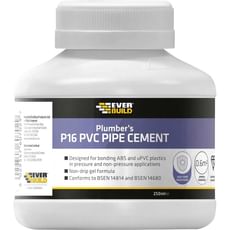
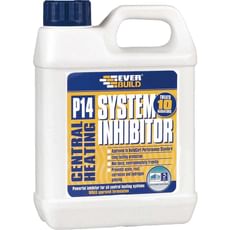
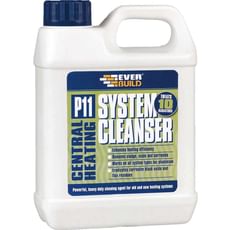
 Loading...
End of content
Error - No more pages to load
About Plumbers Compounds, Chemicals & Sprays
Plumbers compounds, chemicals and sprays are essential maintenance and installation products that every professional plumber and heating engineer relies on daily. This category encompasses a comprehensive range of specialist formulations designed to protect, seal, clean and maintain plumbing and heating systems. From corrosion inhibitors and descaling chemicals for central heating systems to pipe jointing compounds, thread sealants and PTFE alternatives, these products ensure leak-free connections and optimal system performance throughout the lifespan of any installation.
The selection at Tooled-Up.com includes products for both new installations and remedial maintenance work. Central heating chemicals help prevent limescale build-up, corrosion and sludge formation in radiator systems, whilst pipe cements and jointing compounds create watertight seals on threaded connections across copper, plastic and steel pipework. Plumbers putty and sealants provide flexible, waterproof seals around sanitary ware, waste fittings and overflow connections. Meanwhile, specialist sprays and lubricants tackle everything from seized fixings and corroded valves to leak detection and temporary repairs.
Whether working on domestic installations, commercial plumbing projects or emergency repairs, having the right chemical products to hand can make the difference between a job completed efficiently and costly call-backs. These products are formulated to meet stringent UK water regulations and building standards, ensuring safe application in potable water systems and compliance with COSHH requirements on professional sites.
Jargon Buster
- Jointing Compound: A paste-like sealant applied to threaded pipe connections that fills microscopic gaps and prevents water or gas leaks. Often referred to as "pipe dope" in the trade.
- PTFE Tape: Polytetrafluoroethylene tape wrapped around threaded connections to create a watertight seal. Standard white tape suits water applications, whilst yellow gas-rated tape is used for gas installations.
- Flux: A chemical cleaning agent applied to copper pipes before soldering that removes oxidation and allows solder to flow properly, creating strong, leak-free joints.
- Inhibitor: A chemical additive for central heating systems that prevents internal corrosion, limescale formation and sludge build-up, extending system lifespan and maintaining efficiency.
- Descaler: An acidic solution that dissolves limescale deposits from heating elements, heat exchangers and pipework, particularly important in hard water areas.
- Leak Sealant: A temporary or permanent liquid compound added to heating systems that seeks out and seals small leaks from within, often used when access to the leak point is difficult.
Who Uses Plumbers Compounds, Chemicals & Sprays?
- Professional Plumbers: Domestic and commercial plumbers for installation, maintenance and repair work
- Heating Engineers: Gas Safe registered engineers servicing and installing central heating systems
- Maintenance Technicians: Building services personnel responsible for plumbing and heating systems in commercial premises
- Facilities Managers: Those overseeing maintenance programmes in schools, hospitals, offices and industrial facilities
- Property Landlords: Managing rental property maintenance and compliance with safety regulations
- DIY Enthusiasts: Homeowners undertaking bathroom installations, radiator replacements and plumbing repairs
- Bathroom Fitters: Specialists installing sanitary ware, showers and wet rooms
- Site Plumbers: Tradespeople working on new build developments and refurbishment projects
How to Choose the Right Plumbers Compounds, Chemicals & Sprays
Application Type: Identify whether you need products for joining pipes, sealing fittings, maintaining heating systems or general lubrication. Thread sealants differ from waste pipe sealants, and potable water products must meet different standards than those for heating systems only.
Material Compatibility: Ensure products are suitable for the pipe materials you're working with. Some compounds suit copper but can damage plastic fittings, whilst certain chemicals may react with aluminium radiators or older cast iron components.
Water Regulations Compliance: For drinking water systems, products must comply with WRAS (Water Regulations Advisory Scheme) approval or BS 6920 standards. The Tooled-Up range includes clearly marked products suitable for potable water applications.
Temperature and Pressure Ratings: Central heating systems operate at different temperatures and pressures than cold water supplies. Check that sealants and compounds are rated for the system's maximum operating conditions, particularly important for sealed heating systems.
Permanent vs Temporary Solutions: Some products provide temporary fixes for emergency situations, whilst others are designed for permanent installations. Leak sealants added to heating systems should be chosen based on whether you need a quick fix or long-term solution.
COSHH and Safety Data: Professional tradespeople must consider COSHH requirements when selecting chemical products. Check safety data sheets for ventilation requirements, PPE recommendations and disposal procedures, especially for acidic descalers and solvent-based products.
Popular Accessories
- Pipe Brushes and Cleaning Tools: Wire brushes for cleaning pipe ends before applying flux or jointing compounds
- Dosing Equipment: Pumps and funnels for adding inhibitors and cleaners to central heating systems
- Applicator Brushes: Purpose-designed brushes for applying flux and liquid compounds evenly
- Leak Detection Sprays: Soap-based sprays that bubble when applied to gas leaks for safe testing
- Pipe Freezing Kits: Systems for temporarily freezing water in pipes to allow work without draining entire systems
- Hand Cleaners and Wipes: Specialist removers for cleaning hands after using jointing compounds and sealants
- Dispensing Guns: Applicators for cartridge-based sealants and adhesives for controlled application
- PPE: Safety glasses, chemical-resistant gloves and barrier creams for handling plumbing chemicals
Safety Information
Many plumbing chemicals contain substances hazardous to health and require careful handling. Always read product labels and safety data sheets before use. Descaling chemicals typically contain acids that can cause skin burns and eye damage, requiring appropriate PPE including chemical-resistant gloves and eye protection. Ensure adequate ventilation when using solvent-based products or working in confined spaces such as under sinks or in airing cupboards.
Central heating additives must only be used in sealed systems not connected to drinking water supplies. Never add unapproved chemicals to potable water systems as this violates UK Water Regulations and presents serious health risks. When adding inhibitors or cleaners to heating systems, follow manufacturer's dosage instructions carefully—over-dosing can be as problematic as under-dosing.
Store all plumbing chemicals securely, away from heat sources and out of reach of children. Dispose of empty containers and unused chemicals responsibly according to local authority hazardous waste guidelines. Keep safety data sheets accessible on site to comply with HSE requirements and ensure emergency responders have necessary information if incidents occur.
Frequently Asked Questions
How often should I add inhibitor to my central heating system?
Heating inhibitor should be added whenever the system is drained and refilled, and manufacturers typically recommend checking levels annually. Most inhibitors remain effective for 5-10 years in undisturbed systems, but concentration drops if water is added to maintain pressure. Use test strips to check inhibitor levels rather than guessing.
Can I use PTFE tape and jointing compound together?
Generally, you should use one or the other, not both. Using both can actually reduce the effectiveness of the seal and lead to leaks. PTFE tape works well for most water connections, whilst jointing compound is preferred for larger diameter pipes and where slight movement might occur. Follow manufacturer recommendations for specific applications.
What's the difference between plumbers putty and silicone sealant?
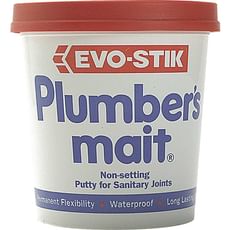
Plumbers putty remains pliable and can be easily removed, making it ideal for bedding sink wastes and basket strainers that may need future removal. Silicone sealant cures hard and creates a more permanent waterproof seal, better suited for gaps around baths, showers and sanitary ware. Putty shouldn't be used on porous surfaces like marble or granite as it can cause staining.
Are plumbing chemicals safe for all types of radiators?
Not all chemicals suit every radiator type. Aluminium radiators require specific inhibitors formulated to prevent corrosion of this reactive metal. Using standard inhibitors designed for steel radiators can actually accelerate corrosion in aluminium. Always check product compatibility with your specific system components before adding chemicals.
How do I choose between paste and liquid thread sealants?
Paste sealants (jointing compounds) work well for larger diameter pipes and provide good gap-filling properties for slightly worn threads. Liquid thread sealants are anaerobic—they cure in the absence of air within the thread—and provide excellent performance on precision-machined threads for smaller fittings. Liquid sealants typically set faster and suit applications where waiting time must be minimised.