

Plumbers Pliers

Pay in 3 interest-free payments on purchases from £20-£3000 with  . Learn more.
 Loading...
End of content
Error - No more pages to load
About Plumbers Pliers
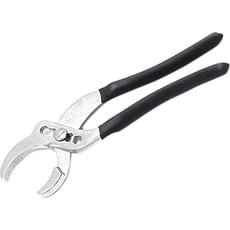
Plumbers pliers are specialised hand tools designed specifically for working with pipework, fittings, and fixtures in plumbing installations. Unlike standard pliers, these tools feature wide, adjustable jaws that can grip round and irregularly shaped objects such as compression fittings, plastic waste pipes, trap nuts, and supply connectors. The multi-position adjustment mechanism allows tradespeople to tackle various pipe diameters and fitting sizes with a single tool, making them an essential addition to any plumber's toolkit.
The construction of quality plumbers pliers typically involves drop forged steel for maximum durability and strength, with toothed or serrated jaws that provide excellent grip without damaging chrome-plated or plastic components. Tooled-Up.com stocks professional-grade plumbers pliers from trusted brands like Monument, ensuring that tradespeople have access to tools built to withstand the demands of daily site work and emergency callouts.
These versatile tools excel at tasks that would be awkward or impossible with standard wrenches or adjustable spanners, particularly when working in confined spaces beneath sinks, behind cisterns, or within boxing. The wide jaw opening—often up to 75mm or more—allows plumbers to grip larger diameter waste pipes and modern push-fit plumbing systems with confidence and control.
Jargon Buster
- Drop Forged
- A manufacturing process where heated metal is shaped using compressive force, creating tools with superior strength and durability compared to cast alternatives.
- Multi-Position Adjustment
- A mechanism allowing the jaw width to be set at various predetermined positions (typically 5-7 settings) to accommodate different diameter pipes and fittings.
- Jaw Opening/Capacity
- The maximum distance between the jaws when fully opened, typically measured in millimetres. This determines the largest diameter pipe or fitting the pliers can grip.
- Toothed Jaws
- Serrated gripping surfaces on the plier jaws that increase friction and prevent slippage when turning stubborn fittings.
- Slip Joint
- The pivot mechanism that allows the jaw position to be adjusted to different widths whilst maintaining parallel jaw alignment for optimal grip.
Who Uses Plumbers Pliers?
- Plumbers and Heating Engineers: Primary users for installing and maintaining water supply systems, drainage, and central heating pipework
- Gas Engineers: For working with gas pipe fittings and appliance connections
- Bathroom Fitters: Essential for installing sanitaryware, taps, traps, and waste systems
- General Builders: Useful for first-fix and second-fix plumbing tasks during renovation projects
- Maintenance Engineers: For facility management, property maintenance, and reactive repairs
- DIY Enthusiasts: Homeowners tackling bathroom upgrades, kitchen installations, or emergency plumbing repairs
- Landlords and Property Managers: Handy for addressing minor plumbing issues between tenant occupancies
How to Choose the Right Plumbers Pliers
When selecting plumbers pliers at Tooled-Up, consider the jaw capacity required for your typical applications. A 75mm maximum opening will handle most domestic plumbing tasks including standard waste pipes, whilst larger commercial applications may require greater capacity. Check that the tool offers sufficient adjustment positions—five or more settings provide good versatility across different fitting sizes.
Build quality is paramount for tools that will see regular professional use. Look for drop forged construction rather than pressed steel, as this ensures longevity and resistance to jaw spreading under load. The jaw teeth should be well-defined and hardened to maintain their grip over time, particularly when working with chrome-plated brass fittings that can be slippery.
Handle comfort and length affect both leverage and usability in confined spaces. Ergonomic grips reduce hand fatigue during extended use, whilst the overall tool length should balance leverage requirements with accessibility in typical under-sink and behind-toilet installations. Standard lengths of 230mm to 250mm suit most plumbing applications without being unwieldy.
Consider the types of materials you'll be working with most frequently. Plastic waste pipes require firm but careful handling to avoid crushing, whilst metal compression fittings may need more aggressive jaw grip. Some plumbers pliers feature smooth jaw sections specifically for delicate chrome finishes alongside toothed areas for stubborn fixings.
Popular Accessories
- Adjustable Spanners: Complement plumbers pliers for holding back-nuts and accessing tighter spaces
- Basin Wrenches: Specialised tools for reaching tap connector nuts in confined areas
- Pipe Cutters: For clean cutting of copper and plastic pipe before fitting installation
- PTFE Tape: Essential consumable for creating watertight threaded connections
- Jointing Compound: Sealants and pastes for various pipe and fitting applications
- Tool Rolls and Bags: Organised storage solutions from brands like Snickers and Stanley for transporting plumbing tools
- Deburring Tools: For removing sharp edges from cut pipe ends
- Pipe Grips and Wrenches: Additional gripping tools for larger diameter pipework
Safety Information
Always ensure water supplies are isolated before loosening fittings to prevent unexpected water release and potential scalding from hot water systems. When working beneath sinks or in confined spaces, ensure adequate lighting and maintain awareness of your surroundings to avoid head injuries or awkward postures that could cause strain.
Inspect plumbers pliers before each use for signs of jaw damage, loose pivot mechanisms, or handle deterioration. Damaged tools can slip unexpectedly, causing injury or damaging expensive fixtures. Never extend leverage by using pipe extensions on the handles, as this can exceed the tool's design limits and cause sudden failure.
Wear appropriate PPE including safety glasses when working overhead or when there's risk of debris or water spray. Follow HSE guidance for manual handling when working in awkward positions, and take regular breaks to prevent repetitive strain injuries during extended fitting and removal tasks.
Frequently Asked Questions
What's the difference between plumbers pliers and water pump pliers?
Plumbers pliers typically feature wider, parallel jaws specifically designed for gripping round plumbing fittings, whilst water pump pliers (also called groove joint pliers) have angled jaws better suited for general gripping tasks. Plumbers pliers offer more adjustment positions and greater jaw capacity for specialist plumbing work.
Can plumbers pliers damage chrome-plated fittings?
Quality plumbers pliers with properly designed teeth should grip firmly without damaging chrome finishes when used correctly. Excessive force or worn teeth can mark surfaces, so consider wrapping a cloth around delicate fittings or using smooth-jaw sections where provided. Apply steady pressure rather than sudden force.
What jaw capacity do I need for domestic plumbing?
A 75mm maximum jaw opening handles most domestic applications including 40mm and 50mm waste pipes, basin and bath traps, and standard tap connectors. Professional plumbers working on commercial installations may require larger capacity tools for 110mm soil pipes and industrial fittings.
Are plumbers pliers suitable for compression fittings on copper pipe?
Yes, plumbers pliers excel at tightening and loosening compression fittings on copper pipe. The wide jaws accommodate the hexagonal body of compression fittings whilst allowing access in confined spaces where adjustable spanners won't fit. Always tighten compression fittings carefully to manufacturer specifications to avoid over-tightening.
How do I maintain plumbers pliers for long service life?
Keep the pivot mechanism clean and lightly oiled to ensure smooth adjustment between positions. Wipe jaws clean after use to prevent corrosion and maintain tooth sharpness. Store in a dry environment and avoid dropping the tool, which can damage the adjustment mechanism or cause jaw misalignment.