

Plumbers Spanners
Pay in 3 interest-free payments on purchases from £30-2000 with  . Learn more.
 Loading...
End of content
Error - No more pages to load
About Plumbers Spanners
Plumbers spanners are specialist hand tools designed specifically for working with compression fittings, tap connectors, immersion heaters, radiator valves, and other plumbing fixtures that require precise torque application in confined spaces. Unlike standard spanners or adjustable wrenches, these tools feature unique jaw configurations, stepped profiles, and extended reach designs that allow plumbers to access back nuts, mono-bloc tap fittings, and concealed connections that would otherwise be impossible to reach with conventional tools.
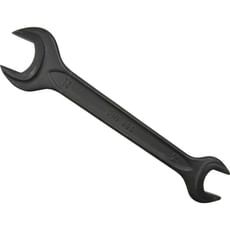
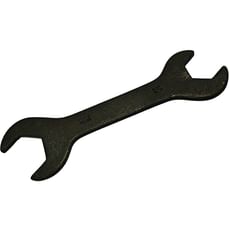
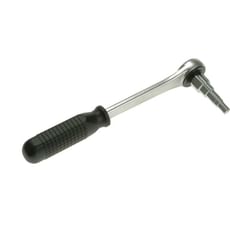
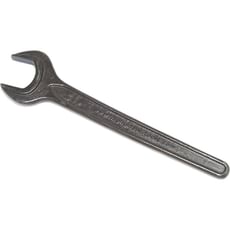
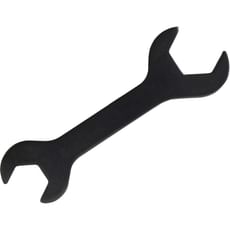
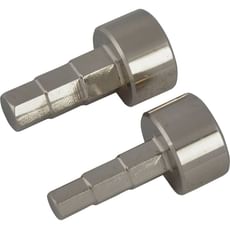
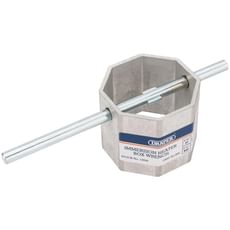
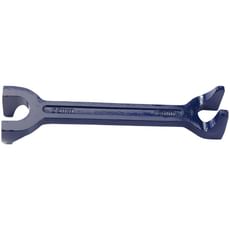
The range available from Tooled-Up.com includes basin wrenches for horizontal and vertical use in tight areas beneath sinks, double-ended compression fitting spanners for metric and imperial pipe connections, radiator stepped wrenches with ratchet mechanisms, immersion heater box wrenches with tommy bars, and triple-step spanners designed for modern mono-bloc tap installations. These tools are typically manufactured from malleable cast iron or hardened steel with accurately machined jaw faces to prevent damage to chrome-plated fittings and brass compression nuts.
Professional plumbers spanners come in various configurations including single-ended, double-ended, T-handled, and ratcheting designs. Common sizes cover BSP (British Standard Pipe) threads from 1/2" to 1½", metric compression fittings from 8mm to 32mm, and hexagonal tap connector sizes. Many modern designs incorporate ergonomic grip sections and corrosion-resistant finishes to withstand the damp working conditions typical of plumbing installations and repairs.
Jargon Buster
- Compression Fitting: A type of pipe connector that uses a compression nut and olive (ferrule) to create a watertight seal without soldering or welding. Plumbers spanners are specifically designed to tighten these fittings without crushing or damaging the olive.
- BSP (British Standard Pipe): The UK standard for screw threads used on pipe fittings and connectors. Common sizes include 1/2" (15mm), 3/4" (22mm), and 1" (28mm), with spanners sized accordingly to prevent rounding of the nut flats.
- Back Nut: The securing nut located on the reverse side of a fitting, typically found behind basins and sinks where access is extremely limited. Basin wrenches are specifically designed to reach and turn these back nuts in confined spaces.
- Mono-bloc Fitting: A modern single-unit tap design where hot and cold water mix within the tap body. These require triple-step or multi-profile spanners to accommodate the hexagonal connector sizes ranging from 8mm to 13mm.
- Tommy Bar: A removable steel bar that slots through a box wrench to provide leverage when tightening or loosening large fittings such as immersion heater elements, which require significant torque to seal properly.
- Stepped Wrench: A spanner featuring multiple jaw sizes machined into a single profile, allowing quick changes between different fitting sizes without switching tools, particularly useful for radiator valve installations.
Who Uses Plumbers Spanners?
- Professional Plumbers and Heating Engineers: Daily use for installation, maintenance, and repair of domestic and commercial water systems, central heating, and sanitary ware
- Bathroom and Kitchen Fitters: Essential for connecting taps, basin waste systems, and water supply pipework during renovation projects
- Maintenance Engineers: Building services personnel responsible for plumbing repairs in commercial properties, schools, hospitals, and industrial facilities
- DIY Enthusiasts: Homeowners tackling their own tap replacements, radiator installations, or bathroom upgrades who require the correct tools for professional-quality results
- Landlords and Property Maintenance Teams: Those managing rental properties who need to perform routine plumbing repairs and fixture replacements efficiently
- Emergency Plumbing Services: Mobile engineers who require comprehensive spanner sets to handle any compression fitting or tap connection encountered on callouts
How to Choose the Right Plumbers Spanners
Start by identifying the types of plumbing work you most frequently undertake. Basin wrenches are indispensable for anyone regularly fitting or replacing taps, as they provide the only practical means of accessing back nuts in confined under-sink spaces. Look for models with accurately machined jaw faces that won't damage chrome-plated fittings, and ensure the capacity covers both 1/2" (15mm) and 3/4" (22mm) BSP connections, which are the most common in UK installations.
For compression fitting work, consider whether you need metric, imperial, or dual-sizing capability. Tooled-Up stocks double-ended spanners that combine multiple sizes in a single tool, reducing the number of items you need to carry. Heavy-duty versions with thicker steel construction are essential for commercial work where fittings may be over-tightened or corroded, whilst lighter designs suit domestic installations and maintenance work.
Radiator installation specialists should prioritise stepped wrenches with ratchet mechanisms, which allow continuous operation in restricted spaces without having to reposition the tool repeatedly. These typically cover the common radiator valve sizes and provide much faster installation times than standard spanners. For those working on modern bathroom fittings, triple-step mono-bloc spanners are essential as standard spanners simply cannot grip the hexagonal connectors properly.
Build quality matters significantly with plumbers spanners. Malleable cast iron construction offers excellent durability whilst preventing damage to softer brass fittings. Check that jaw faces are accurately machined with no burrs or rough edges that could mark visible chrome work. Consider sets from established brands such as Monument, Draper, and Faithfull, which offer proven reliability and replacement guarantees for professional tradespeople.
Popular Accessories
- Adjustable Wrenches and Grips: Supplementary tools for holding pipe bodies whilst tightening compression nuts with dedicated spanners
- PTFE Tape and Jointing Compounds: Essential sealing materials used in conjunction with compression and threaded fittings
- Pipe Cutters and Deburring Tools: For preparing copper and plastic pipework before fitting compression connections
- Tap Reseating Tools: Complementary equipment for complete tap maintenance and repair work
- Tool Rolls and Storage Cases: Organised storage solutions for keeping multiple spanners protected and easily accessible on site
- Basin Wrench Extensions: Additional reach accessories for particularly deep or awkwardly positioned back nuts
- Immersion Heater Elements and Thermostats: Components frequently fitted using immersion heater spanners
Frequently Asked Questions
What's the difference between a basin wrench and a standard adjustable spanner?
A basin wrench features a pivoting jaw at the end of a long shaft, specifically designed to reach back nuts in the confined space beneath basins and sinks where standard spanners cannot fit. The jaw can be positioned for either horizontal or vertical use and typically handles both 1/2" and 3/4" BSP connections. Standard adjustable spanners lack the reach and articulation necessary for this type of work.
Do I need separate spanners for metric and imperial compression fittings?
Whilst many modern UK installations use metric sizing (8mm, 10mm, 15mm, 22mm), older properties and certain applications still use imperial measurements (1/4", 3/8", 1/2", 3/4"). Double-ended compression fitting spanners often combine compatible sizes on each end, but serious professionals should maintain both metric and imperial sets to handle any installation encountered. Check product specifications at Tooled-Up.com to confirm which standards each spanner covers.
Can I use regular spanners instead of specialist plumbers spanners?
Standard spanners lack the correct jaw profiles and dimensions for compression fittings and may round off the nut flats, making them impossible to tighten or remove properly. They also cannot access back nuts in confined spaces or grip hexagonal mono-bloc connectors correctly. Using inappropriate tools often results in damaged fittings, leaks, and costly callbacks, making specialist plumbers spanners essential for professional-quality work.
How tight should compression fittings be?
Compression fittings should be tightened hand-tight plus approximately one and a quarter turns with a spanner. Over-tightening can crush the olive and actually cause leaks rather than prevent them. The correct spanner size ensures proper contact with all nut flats, allowing you to feel the resistance and achieve the right torque without excessive force. If a fitting leaks after correct tightening, disassemble and check for debris or damaged components rather than simply over-tightening.
What size immersion heater spanner do I need?
Standard domestic immersion heaters in the UK use either 2¼" or 2?" BSP threads, with the latter being more common on modern cylinders. Box-type immersion heater spanners typically accommodate both sizes with a hexagonal profile that fits the element boss. These require significant leverage via a tommy bar to achieve the proper seal, as the large rubber washer must be compressed adequately to prevent leaks from the hot water cylinder.