

Plumbing Tools
Pay in 3 interest-free payments on purchases from £30-2000 with  . Learn more.
 Loading...
End of content
Error - No more pages to load
About Plumbing Tools
Professional plumbing tools form the backbone of effective water supply, drainage, heating, and gas installation work throughout the UK. From precision pipe cutters and benders to specialist drain clearing equipment and pressure testing gauges, these tools enable tradespeople and competent DIY enthusiasts to work efficiently whilst meeting the exacting standards required by UK building regulations. The right equipment transforms potentially challenging installations and repairs into straightforward tasks, delivering leak-free results that stand the test of time.
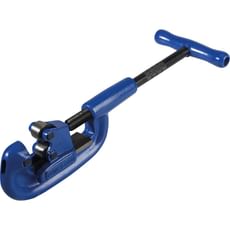
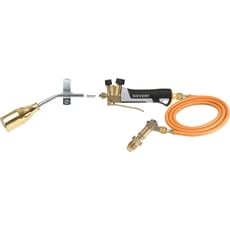
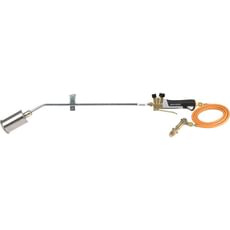
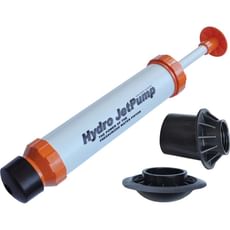
The comprehensive selection available at Tooled-Up.com encompasses every aspect of professional plumbing work. Pipe preparation equipment includes cutters that deliver clean, square edges essential for reliable joints, alongside benders for creating precise angles in copper and steel pipework without kinking or damage. For joining work, the range extends from traditional blow torches and soldering equipment for permanent copper connections to modern tools for push-fit and compression systems. Maintenance specialists will find drain rods, pipe inspection cameras, and water jetting equipment designed to clear blockages quickly, whilst testing gauges ensure installations comply with Gas Safe regulations and water authority standards.
Quality matters profoundly in plumbing tools, where substandard equipment leads to damaged pipes, failed joints, and expensive callbacks. Established brands like Rothenberger, Ridgid, and Monument deliver the precision engineering and durability that professional tradespeople demand, whilst accessible mid-range options help DIY enthusiasts tackle projects with confidence. Whether you're installing complete bathroom suites, repairing emergency leaks, or maintaining commercial heating systems, investing in proper plumbing tools ensures work is completed safely, efficiently, and to certifiable standards.
Jargon Buster
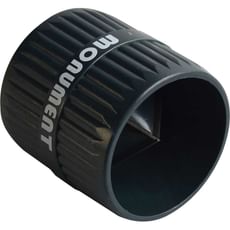
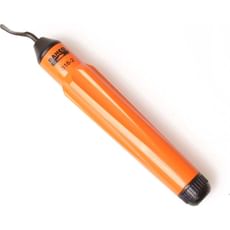
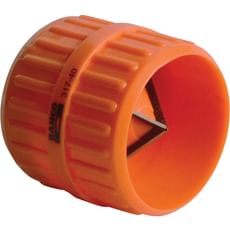
- Deburring: The essential process of removing sharp edges and internal burrs from freshly cut pipes. Without proper deburring, these rough edges damage seals, create turbulence causing noise, and accelerate wear in fittings. Professional deburring tools ensure smooth pipe ends for reliable, long-lasting joints.
- PTFE Tape: Polytetrafluoraethylene thread seal tape wrapped clockwise around threaded pipe connections to create watertight seals. This thin, white tape fills microscopic gaps between threads, preventing leaks in compression fittings, radiator valves, and threaded pipe joints throughout plumbing systems.
- Compression Fitting: A mechanical pipe joint using a brass olive (compression ring) squeezed between the fitting body and tightening nut to create a seal. Requiring no heat or soldering, compression fittings prove ideal for retrofit installations and locations where naked flames are prohibited or impractical.
- Bar Pressure: The metric unit for measuring pressure in UK plumbing systems, where 1 bar equals approximately 14.5 PSI. Domestic mains water typically delivers 1-3 bar, whilst sealed heating systems may operate at higher pressures requiring different testing equipment and safety considerations.
- Flux: A chemical paste applied to copper pipes before soldering that removes surface oxidation and encourages molten solder to flow evenly. Proper flux application is critical for creating strong, leak-free soldered joints that meet professional standards in copper pipework installations.
- Manometer: A precision pressure measuring instrument essential for certifying gas installations and testing water systems. Digital manometers provide the accurate readings required under Gas Safe regulations, with calibration certificates proving compliance for professional certification work.
Who Uses Plumbing Tools?
Professional plumbing tools serve a diverse range of tradespeople and individuals across domestic, commercial, and industrial settings:
- Qualified Plumbers & Heating Engineers: Professionals carrying comprehensive tool kits for installations, repairs, and maintenance work across all property types
- Gas Safe Registered Engineers: Specialists using certified testing equipment and tools approved for gas pipework installations and servicing
- Maintenance Technicians: Facilities management professionals in schools, hospitals, offices, and commercial buildings requiring reliable tools for responsive repairs
- Bathroom Fitters: Tradespeople installing complete bathroom suites demanding precision pipework and watertight connections
- Construction Site Plumbers: New build specialists working with pipe manipulation tools and joining equipment on residential and commercial developments
- Property Landlords: Responsible property owners maintaining rental portfolios and addressing tenant plumbing issues promptly
- DIY Enthusiasts: Competent homeowners tackling bathroom renovations, kitchen installations, and general plumbing maintenance projects
- Agricultural & Rural Workers: Professionals installing and maintaining water systems, livestock facilities, and irrigation equipment on farms and rural properties
How to Choose the Right Plumbing Tools
Frequency of Use: Professional tradespeople working daily benefit from premium tools from brands like Rothenberger, Ridgid, or Monument that withstand constant use whilst providing warranty support and replacement parts availability. Occasional users can achieve excellent results with quality mid-range tools that deliver reliable performance without professional-grade investment.
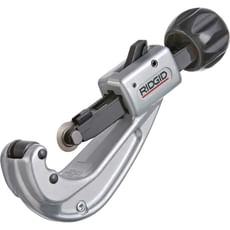
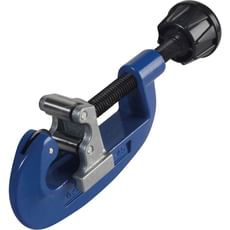
Pipe Materials and Sizes: Different materials demand specific tools. Copper pipes require cutters with hardened wheels leaving clean, square edges, plus benders sized for common UK domestic diameters (15mm, 22mm, 28mm). Plastic pipework needs specialist cutters that slice cleanly without crushing the tube, whilst steel pipes demand heavy-duty cutting equipment. Always verify that tool capacity matches your typical working pipe sizes.
Certification Requirements: Testing equipment, particularly for gas installations, must meet current UK standards with traceable calibration certificates. Water test gauges should comply with Water Supply (Water Fittings) Regulations, whilst electrical equipment used in wet environments requires appropriate IP ratings. For professional certification work, documented calibration proves essential.
Portability versus Power: Mobile tradespeople benefit from compact, lightweight tools maintaining full capability. Battery-powered pipe cutters and crimping presses offer excellent site mobility without trailing cables, though 240v mains-powered alternatives provide unlimited runtime for workshop-based fabrication and high-volume work.
Ergonomics and Comfort: Plumbing frequently involves working in confined spaces, awkward positions, and overhead locations. Tools with comfortable grips, balanced weight distribution, and intuitive controls reduce fatigue whilst improving accuracy—particularly important for precision work like bending copper pipe or creating flared connections that must seal perfectly first time.
Popular Accessories
- Jointing Compounds & Pastes: Essential sealants for threaded fittings, available in specialist formulations suitable for potable water, sealed heating systems, and gas installations
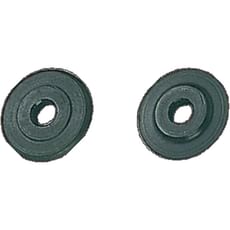
- Spare Pipe Cutter Wheels: Replacement cutting wheels maintaining clean, burr-free cuts as blades wear through regular professional use
- Bending Springs: Internal and external springs preventing copper pipes from kinking during manual bending operations on smaller diameter domestic pipework
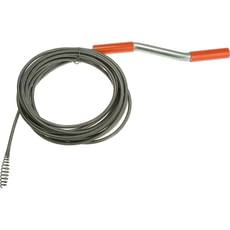
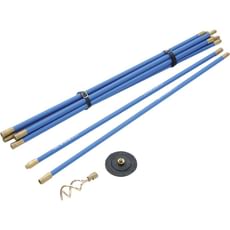
- Drain Rods & Attachments: Modular drainage cleaning systems with various heads including plungers, screws, and brushes for clearing different blockage types
- Pipe Freezing Kits: Specialist equipment allowing temporary isolation of water supplies without draining entire systems, ideal for adding connections to live pipework
- Test Pump Adaptors: Fittings and hoses connecting pressure testing equipment to various pipe sizes and system types for certification work
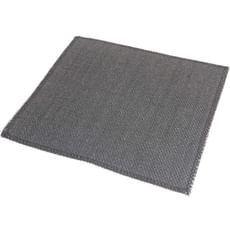
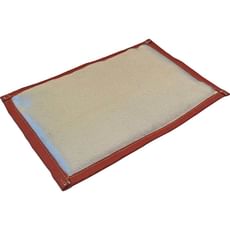
- Soldering Mats: Heat-resistant surfaces protecting surrounding areas during torch work, essential for fire safety regulation compliance on occupied sites
Safety Information
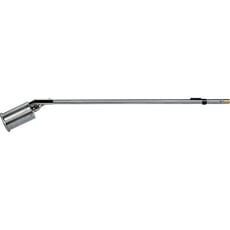
Hot Work: Blow torches and soldering equipment create significant heat and naked flames presenting fire risks. Always use heat-resistant mats, keep appropriate fire extinguishers accessible, and remain aware of combustible materials in the work area. Allow adequate cooling time before handling recently soldered joints, and on occupied premises consider alternatives to hot work where practical.
Pressurised Systems: Never cut into or disconnect pressurised water or heating systems without proper isolation. Use appropriate test equipment to verify systems are fully depressurised before commencing work. When pressure testing installations, follow manufacturer guidelines strictly and never exceed safe working pressures for the pipes and fittings involved.
Chemical Hazards: Drain cleaning chemicals, fluxes, and jointing compounds may be corrosive or irritant. Follow COSHH guidelines, wear appropriate gloves and eye protection, ensure adequate ventilation, and store chemicals securely away from unauthorised access. Many products require specific disposal methods—never pour concentrated chemicals directly into drainage systems.
Manual Handling: Pipe bending tools and drain clearing equipment can be heavy, requiring significant physical force. Use correct lifting techniques, maintain good posture when operating tools in confined spaces, and take regular breaks during physically demanding tasks to prevent strain injuries.
Gas Work: Only Gas Safe registered engineers should work on gas installations using properly calibrated testing equipment traceable to national standards. Gas leaks present serious explosion and asphyxiation risks—if suspected, evacuate the area immediately and contact emergency services. Never attempt gas work without appropriate qualifications and certification.
Frequently Asked Questions
What's the difference between compression and push-fit pipe fittings?
Compression fittings use a brass olive compressed onto the pipe by tightening a nut, creating a secure mechanical joint suitable for concealed installations and permanent pipework. Push-fit fittings employ internal grab rings and rubber seals, allowing quick tool-free assembly ideal for accessible locations and faster installations. Both prove reliable when installed correctly, with compression fittings traditionally favoured by professional plumbers for critical installations.
Do I need different tools for copper and plastic pipes?
Yes, these materials require different cutting approaches. Copper pipes need cutters with hardened wheels that score cleanly through metal, plus deburring tools and potentially bending equipment for directional changes. Plastic pipes require sharp blades that slice rather than crush (preventing internal diameter restriction), and cannot be bent without specialist heating equipment. Many modern pipe cutters from brands stocked at Tooled-Up feature swappable blades accommodating different materials.
How often should pressure testing equipment be calibrated?
Professional testing gauges used for certification work require annual calibration or according to manufacturer specifications. This ensures accuracy and compliance with Gas Safe requirements for gas installations or water authority standards for potable water systems. Always keep calibration certificates with your equipment for inspection purposes during certification work.
Can I use standard tools on sealed heating systems?
Most plumbing tools work across different systems, but always verify specifications. Some jointing compounds and chemicals are formulated specifically for sealed heating systems and may not be suitable for potable water supplies. When working on sealed heating systems, you'll need pressure testing equipment capable of reading higher pressures than standard domestic water supply work requires.
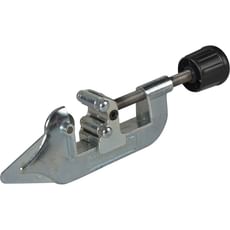
What size pipe cutter do I need for domestic plumbing work?
A cutter handling 15mm to 28mm pipes covers most UK domestic installations—these standard sizes accommodate water supply, heating pipework, and bathroom installations. Professional plumbers often carry both a compact cutter for tight spaces and a larger heavy-duty model for accessible pipework. For occasional DIY use, a single quality cutter covering this range provides sufficient capability for typical household plumbing projects.