

Plungers

Pay in 3 interest-free payments on purchases from £20-£3000 with  . Learn more.
Loading...
End of content
Error - No more pages to load
About Plungers
Plungers are indispensable tools for clearing blockages in sinks, toilets, baths and drains without resorting to harsh chemicals or expensive emergency callouts. Operating on straightforward suction and pressure mechanics, a quality plunger creates a vacuum seal around the drain outlet and forces water and air through the obstruction to dislodge debris, grease accumulation, hair and other materials. The selection at Tooled-Up.com includes specialist designs for different applications, from compact mini plungers for small hand basins to heavy-duty toilet plungers with angled cups engineered specifically for WC pan outlets.
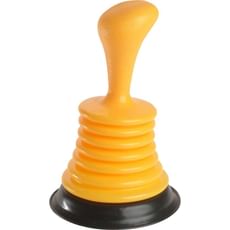
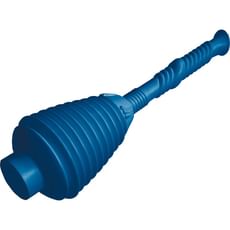
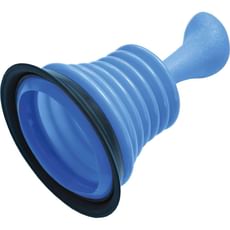
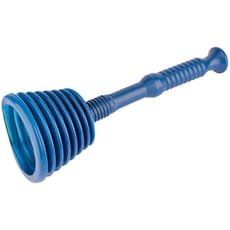
Modern plungers have progressed considerably beyond the traditional stick-and-cup design. Professional models incorporate ergonomic handles for enhanced grip and leverage, reinforced rubber cups that maintain their shape even with repeated use, and bellow-action designs that generate substantially more pressure than conventional plungers. Some models feature extended handles for reaching awkward drains or maintaining distance when dealing with unpleasant blockages, whilst micro and mini variants offer compact solutions for confined spaces or occasional use in cloakrooms and utility sinks.
Brands such as Monument, Faithfull and Draper manufacture plungers suited to both trade and domestic environments. Whether you're a plumber requiring reliable tools for daily callouts, a maintenance professional responsible for commercial facilities, or a homeowner wanting dependable equipment for occasional emergencies, having the correct plunger type readily available can save time, money and considerable inconvenience when drainage problems occur.
Jargon Buster
- Cup/Suction Cup: The rubber or flexible polymer component that forms a seal against the drain surface. Different cup shapes suit different applications – flat cups for sinks and basins, flanged or funnel cups for toilets.
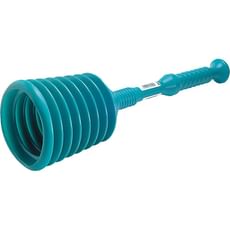
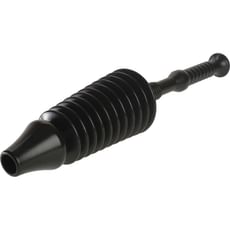
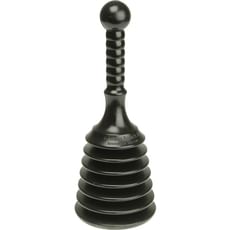
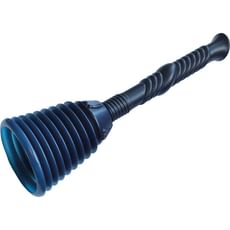
- Bellow Action: An accordion-style design that compresses and expands to generate increased air pressure and suction, providing more force than traditional plunger designs for stubborn blockages.
- Flanged Plunger: A toilet-specific plunger with an extended rubber flange or funnel that fits into the outlet of a WC pan, creating a superior seal compared to flat-cup designs.
- Force/Power Plunger: Heavy-duty models engineered to generate maximum pressure, typically featuring reinforced construction and ergonomic handles for tackling severe blockages that standard plungers cannot clear.
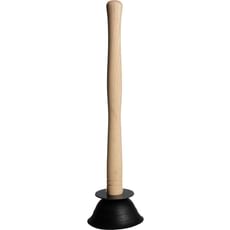
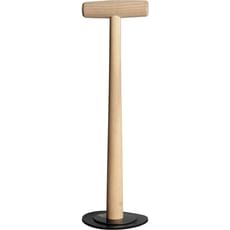
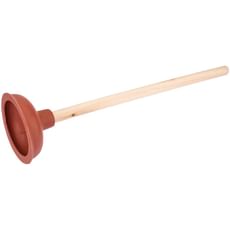
- Beech Handle: Traditional hardwood handle material prized for its durability, comfortable grip and resistance to moisture damage – commonly found on professional-grade plungers.
- Trap Blockage: An obstruction in the U-bend or P-trap beneath a sink or basin where debris accumulates due to the water seal design that prevents drain odours entering the building.
Who Uses Plungers?
- Plumbers and heating engineers carrying out maintenance, repairs and emergency callouts
- Facilities and maintenance managers responsible for commercial buildings, schools, hotels and public facilities
- Property developers and landlords maintaining rental properties and resolving tenant issues
- Cleaners and janitorial staff dealing with blockages as part of routine maintenance schedules
- Caretakers and site supervisors managing educational establishments, leisure centres and office complexes
- Homeowners and DIY enthusiasts tackling household plumbing problems without professional assistance
- Caravan and motorhome owners maintaining compact sanitary systems whilst travelling
- Holiday let operators resolving guest issues quickly to maintain property standards and reviews
How to Choose the Right Plungers
Selecting the appropriate plunger depends primarily on the application. Sink and basin plungers feature flat or slightly domed rubber cups, typically 100-150mm diameter, designed to seal against flat surfaces around plug holes. These work effectively for kitchen sinks, bathroom basins, shower trays and utility sinks. Look for models with comfortable wooden or plastic handles approximately 300-450mm long for adequate leverage without becoming unwieldy in confined spaces beneath cabinets.
Toilet plungers require a different design entirely. Choose models with flanged or funnel-shaped cups that extend into the WC outlet to create an effective seal within the curved pan. The flange typically adds 50-75mm of protrusion beyond the main cup. Longer handles (500-600mm) provide better leverage and keep hands further from contaminated water during use.
Consider build quality when choosing between budget and professional models. Reinforced rubber compounds maintain flexibility even after prolonged exposure to cleaning chemicals and hot water, whilst cheaper materials can harden, crack or lose suction effectiveness. Professional-grade plungers from Monument typically feature thicker rubber construction and hardwood handles that withstand daily trade use, whereas compact models from Faithfull or Draper suit occasional domestic requirements perfectly adequately.
Storage and hygiene factors matter too. Some plungers feature removable handles that reduce storage space requirements and facilitate easier cleaning. Models with drip trays or wall-mounting brackets help maintain hygiene standards by allowing excess water to drain away rather than pooling on bathroom floors.
Popular Accessories
- Drain rods and augers for blockages beyond the reach of plungers, particularly in external drains and inspection chambers
- Sink plunger holders and caddies providing hygienic storage whilst allowing drainage and air circulation
- Rubber gloves protecting hands during use, particularly important when dealing with toilet blockages
- Drain unblocker chemicals as complementary solutions for grease build-up and organic matter (though mechanical plunging remains environmentally preferable)
- Bucket or container for catching displaced water and debris during plunging operations
- Disinfectant and cleaning products for sanitising plungers and surrounding areas after use
- Plumber's snake or drain cleaning wire for persistent blockages that resist plunger action alone
Safety Information
Whilst plungers are relatively safe tools, observe sensible precautions during use. Wear protective gloves and safety glasses when plunging toilets or heavily contaminated drains to prevent contact with bacteria, pathogens and splashing waste water. Ensure adequate ventilation when working in confined spaces such as small bathrooms or cupboards beneath sinks.
Never use plungers in combination with chemical drain cleaners that are already present in standing water – the plunging action can cause caustic solutions to splash onto skin, eyes or surrounding surfaces causing chemical burns. If chemicals have been used unsuccessfully, wait several hours and flush thoroughly with cold water before attempting mechanical clearance. Similarly, avoid plunging drains that contain boiling water as splashing can cause scalding injuries.
For commercial and trade applications, ensure compliance with COSHH regulations regarding handling contaminated waste water and equipment. Thoroughly clean and disinfect plungers after each use, particularly when moving between different client properties to prevent cross-contamination. Store plungers in designated areas away from food preparation surfaces and eating areas.
Frequently Asked Questions
Which plunger type works best for toilets?
Always use a flanged or funnel-cup toilet plunger rather than a flat sink plunger. The extended flange fits into the WC outlet creating a much more effective seal within the curved pan. Flat-cup sink plungers struggle to generate sufficient suction on toilet surfaces and prove largely ineffective for WC blockages.
How do you use a plunger effectively?
Ensure sufficient water covers the plunger cup to maintain the seal – add water if necessary. Position the cup directly over the drain outlet and press down firmly to expel air and create the initial seal. Use vigorous up-and-down strokes maintaining the seal throughout, rather than lifting the cup clear of the water. The suction on the upstroke often dislodges blockages more effectively than downward pressure. Continue for 15-20 strokes before testing drainage.
Can plungers damage pipes or drainage systems?
Quality plungers used correctly will not damage modern plumbing systems. However, excessive force on very old ceramic pipes, particularly those already weakened by cracks or corrosion, could potentially cause further damage. If a blockage resists reasonable plunging efforts, it's safer to use drain rods or call a professional rather than applying extreme force that might worsen the situation.
Why isn't my plunger working on a stubborn blockage?
Several factors can reduce plunger effectiveness: incorrect plunger type for the application, insufficient water covering the cup, worn rubber that no longer seals properly, or blockages too solid or distant to respond to pressure variations. Try covering overflow outlets with damp cloths to prevent air escaping and reducing suction. If plunging genuinely fails after sustained attempts, the blockage likely requires drain rods, a plumber's snake or professional assistance.
How should I clean and store plungers hygienically?
Immediately after use, rinse the plunger thoroughly under running water to remove debris. Disinfect using household bleach solution (following product dilution instructions) or appropriate antibacterial cleaner, particularly for toilet plungers. Allow to air-dry completely before storage to prevent bacterial growth and unpleasant odours. Store in well-ventilated areas, ideally with the cup not resting directly on floors or in standing water – wall-mounted brackets or dedicated caddies with drainage holes work well.