

Pocket Knives

Pay in 3 interest-free payments on purchases from £20-£3000 with  . Learn more.
 Loading...
End of content
Error - No more pages to load
About Pocket Knives
Pocket knives are essential cutting tools designed for portability and versatility across a wide range of professional and practical applications. Unlike standard utility knives that rely on disposable blades, pocket knives feature permanently attached blades crafted from high-quality steel, making them considerably more robust and suitable for demanding tasks. The folding mechanism allows the blade to be safely tucked inside the handle when not in use, enabling tradespeople and outdoor enthusiasts to carry these tools securely in pockets, tool pouches or work bags without risk of injury or damage.
The selection available at Tooled-Up.com includes models from trusted manufacturers such as Bahco, Stanley, Facom, and Draper, each offering distinct features tailored to different applications. Many professional-grade pocket knives incorporate locking mechanisms that secure the blade in the open position during use, preventing accidental closure and ensuring user safety during demanding cutting tasks. Blade profiles vary from standard drop-point designs to specialised sheepsfoot configurations, with some models featuring partially serrated edges that excel at cutting through rope, cordage, strapping and heavy-duty fabrics commonly encountered on construction sites and in workshop environments.
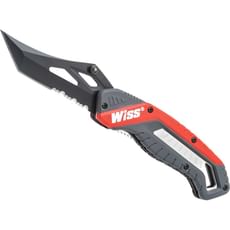
Modern pocket knives have evolved beyond simple cutting tools to become sophisticated instruments engineered for specific trades and applications. Premium models feature titanium-coated blades for enhanced durability and corrosion resistance, impact-resistant polymer handles for improved grip, and hardened steel (typically 58-61 HRC) that maintains a sharp edge through extended use. From the curved blade wrecking knives favoured by carpenters for rough woodwork and mortice joints, to compact folding knives with stainless steel construction ideal for general site work, Tooled-Up stocks pocket knives suited to both professional tradespeople and serious DIY enthusiasts.
Jargon Buster
- Lock Knife: A folding knife with a mechanism that secures the blade in the open position, preventing accidental closure during use. Common types include liner locks, frame locks and back locks.
- HRC (Rockwell Hardness Scale): A measurement of blade steel hardness. Pocket knife blades typically range from 55-62 HRC, with higher numbers indicating harder steel that holds an edge longer but may be more difficult to sharpen.
- Sheepsfoot Blade: A blade profile with a straight cutting edge and an unsharpened curved spine that meets the edge at the tip. This design prevents accidental piercing and is ideal for controlled cutting tasks.
- Serrated Edge: A blade edge with a saw-tooth pattern that excels at cutting fibrous materials like rope, webbing and cord. Many pocket knives feature partial serration, combining a serrated section with a plain cutting edge.
- Tang: The portion of the blade that extends into the handle. Full tang construction, where the blade steel runs the entire length of the handle, provides maximum strength and durability.
- Wrecking Knife: A heavy-duty pocket knife with a thick, curved blade (typically 4mm or more) designed for demanding carpentry tasks such as splitting wood, making mortice joints and rough woodwork where the blade and handle can be struck with a hammer.
Who Uses Pocket Knives?
Pocket knives serve a diverse range of professionals and trades across numerous industries:
- Carpenters and Joiners: For marking timber, shaving wood, cutting packaging materials and general workshop tasks
- Electricians: Stripping cable insulation, cutting cable ties and opening component packaging
- Plumbers: Cutting pipe insulation, rope, sealant tubes and various materials on site
- Roofers: Cutting membrane, felt, rope and packaging materials at height
- Landscapers and Groundskeepers: Cutting twine, opening bags of materials, pruning small branches
- Agricultural Workers: Cutting baling twine, opening feed bags, general farm maintenance tasks
- Warehouse and Logistics Personnel: Opening boxes, cutting strapping and general packaging duties
- Marine and Sailing Professionals: Cutting rope and cordage, particularly models with serrated edges
- Outdoor Instructors and Educators: Camping preparation, rope work and survival skills teaching
- Emergency Services: Cutting seatbelts, rope and various materials during rescue operations
How to Choose the Right Pocket Knives
Blade Material and Construction: Look for high-carbon stainless steel blades hardened to at least 55-58 HRC for professional applications. Titanium-coated blades offer superior corrosion resistance and extended edge retention, making them ideal for marine environments or wet working conditions. Consider whether you need a plain edge for clean cuts, a serrated edge for fibrous materials, or a combination blade that handles diverse cutting tasks.
Locking Mechanism: Safety should be paramount when selecting a pocket knife. Lock knives with secure blade retention mechanisms are essential for professional use, preventing the blade from closing unexpectedly during demanding cutting tasks. Verify that the locking mechanism operates smoothly and positively engages when the blade is fully opened.
Handle Design and Ergonomics: Professional-grade pocket knives feature handles constructed from impact-resistant materials such as reinforced polymers or textured metal alloys. Consider grip comfort during extended use and whether the handle design includes finger guards or choils that prevent your hand from sliding onto the blade. Some models incorporate striking surfaces that allow the handle and blade spine to be hit with a hammer for heavy-duty applications.
Blade Profile and Size: Match the blade shape to your primary applications. Drop-point blades offer versatility for general cutting, sheepsfoot profiles provide excellent control for detailed work, and curved wrecking knife designs excel at heavy carpentry tasks. Blade length typically ranges from 60mm to 100mm when folded, with longer blades providing greater reach but reduced portability.
Brand and Build Quality: Established manufacturers such as Bahco, Stanley, Facom and Draper offer proven reliability and consistent performance. These brands provide replacement parts availability and stand behind their products with comprehensive warranties, ensuring long-term value for professional tradespeople.
Popular Accessories
- Sharpening Stones and Systems: Diamond stones, whetstones and guided sharpening systems to maintain optimal blade edges
- Honing Oil: Lubricant for sharpening stones that improves cutting performance and extends stone life
- Knife Sheaths and Pouches: Protective leather or ballistic nylon carriers for belt or pocket mounting
- Tool Lanyards: Prevent dropped tools when working at height or in demanding environments
- Multi-Tools: Complementary cutting and manipulation tools for comprehensive site preparedness
- Utility Knives: Disposable blade alternatives for tasks requiring frequent blade changes
- Replacement Blades: Though pocket knives feature permanent blades, having backup tools ensures continuity
- Cutting Mats: Protect work surfaces when using knives in workshop environments
- Work Gloves: Cut-resistant gloves provide additional safety during demanding cutting operations
Safety Information
Legal Compliance: In the UK, folding pocket knives with blades under 3 inches (76mm) that do not lock can be carried without specific reason. However, lock knives of any blade length require a valid reason for carrying in public places. Always verify current legislation and ensure compliance with UK knife law when purchasing and carrying pocket knives.
Safe Handling Practices: Always cut away from your body and keep fingers clear of the cutting path. Ensure the locking mechanism is fully engaged before applying force to the blade. When closing a folding knife, keep fingers away from the blade path and fold it slowly with controlled movement. Never use a pocket knife as a prying tool, screwdriver or chisel, as this can damage the blade or cause the knife to close unexpectedly.
Maintenance and Inspection: Regularly inspect the locking mechanism, pivot point and blade condition before use. Clean the blade after exposure to corrosive materials or moisture, and apply a light coating of oil to pivot points to ensure smooth operation. Store pocket knives in a dry environment and ensure blades are folded and locked when not in use. Sharpen blades regularly using appropriate sharpening equipment to maintain optimal cutting performance and reduce the force required during use.
Workplace Considerations: Follow site-specific tool policies and HSE guidelines when carrying and using pocket knives in professional environments. Store knives securely when not in use and never leave them unattended in public areas. Dispose of damaged or worn knives responsibly through appropriate channels rather than attempting repairs that might compromise safety features.
Frequently Asked Questions
What's the difference between a pocket knife and a utility knife?
Pocket knives feature permanently attached blades made from thicker, stronger steel that can handle more demanding applications and maintain their edge through repeated sharpening. Utility knives use disposable snap-off or replaceable blades designed for convenience and frequent blade changes. Pocket knives are generally more robust and suitable for heavy-duty cutting tasks, whilst utility knives offer the advantage of always having a fresh, sharp edge available.
Can I legally carry a pocket knife in the UK?
UK law permits carrying folding pocket knives with blades under 3 inches (76mm) without a locking mechanism. Lock knives of any blade length require a legitimate reason for carrying in public, such as for work purposes. It is illegal to carry any knife in schools, airports or certain public buildings. Always familiarise yourself with current UK knife legislation and carry knives responsibly for their intended professional or recreational purposes.
How do I maintain and sharpen my pocket knife?
Clean the blade after use, particularly after cutting corrosive materials, and dry thoroughly to prevent rust. Apply a drop of light machine oil to the pivot mechanism periodically to ensure smooth opening and closing. Sharpen the blade using a whetstone, diamond stone or guided sharpening system, maintaining the original blade angle (typically 20-25 degrees). For serrated sections, use a tapered sharpening rod that fits the serration gullets. Regular light sharpening maintains edge quality better than infrequent heavy sharpening.
Are more expensive pocket knives worth the investment?
Professional-grade pocket knives from established brands like Bahco, Facom and Stanley offer superior blade steel, more robust construction and reliable locking mechanisms that justify their higher cost for tradespeople who depend on their tools daily. Premium features such as titanium coatings, higher HRC ratings and ergonomic handles provide tangible benefits in demanding work environments. For occasional DIY use, mid-range options offer excellent value, whilst professionals benefit from the durability and performance of higher-specification models.
What blade type should I choose for general trade work?
For versatile professional use, a drop-point or clip-point blade with partial serration provides the best balance of capabilities. The plain edge section handles precision cutting and general tasks, whilst the serrated portion excels at cutting rope, strapping and fibrous materials. A blade length of 75-90mm offers sufficient reach without compromising portability. Ensure the knife features a secure locking mechanism and is constructed from stainless steel hardened to at least 55-58 HRC for reliable performance across diverse applications.