

Pocket Tape Measures
Pay in 3 interest-free payments on purchases from £30-2000 with  . Learn more.
 Loading...
End of content
Error - No more pages to load
About Pocket Tape Measures
Pocket tape measures represent one of the most essential and universally used tools across every trade and DIY application. These compact, retractable measuring devices feature a flexible steel blade marked with metric and imperial graduations, housed within a durable case designed to withstand the rigours of daily professional use. Modern pocket tape measures have evolved from simple measuring tools into sophisticated instruments incorporating features such as standout rigidity for extended reach, magnetic end hooks for single-handed operation, nylon blade coatings for longevity, and advanced auto-lock mechanisms for enhanced usability.
The selection at Tooled-Up.com spans from budget-friendly options ideal for occasional DIY use through to professional-grade models from industry-leading manufacturers including Milwaukee, DeWalt, Stanley, Hultafors, Draper, and Lufkin. Available blade lengths range from compact 3-metre versions perfect for detail work and confined spaces, through versatile 5-metre models suited to general trade applications, up to extended 8-10 metre tapes designed for larger construction projects and room measurements. Whether you're a carpenter measuring timber, an electrician calculating cable runs, a kitchen fitter checking worktop dimensions, or a homeowner tackling improvements, the right pocket tape measure delivers the accuracy and convenience required for quality results.
Contemporary pocket tape measures incorporate numerous innovative features that enhance functionality and durability. Class 1 and Class 2 accuracy ratings ensure precision for professional applications, whilst impact-resistant cases with rubber overmoulding protect against drops on building sites. Blade widths typically range from 19mm through to 32mm, with wider blades offering superior standout—the critical ability to extend horizontally without collapsing. Premium models feature dual-sided printing for reading measurements from multiple angles, reinforced end hooks engineered for true zero accuracy, and protective blade coatings that resist moisture, corrosion, and wear from repeated extension and retraction.
Jargon Buster
- Standout/Reach: The maximum horizontal distance a tape blade can extend before bending or collapsing under its own weight. Professional-grade tapes with wider blades (25-32mm) typically achieve 2.5-3 metres of standout, essential for measuring room dimensions and working at height without assistance.
- Accuracy Class: European standard classifications (Class I, II, or III) indicating measurement precision. Class I offers the highest accuracy with a tolerance of ±0.3mm per metre, preferred by joiners and kitchen fitters requiring exact measurements. Class II (±0.6mm per metre) suits general construction work, whilst Class III suffices for basic DIY applications.
- True Zero End Hook: A floating end hook design that compensates for its own thickness by moving slightly. This ensures accurate measurements whether hooking over an edge (external measurement) or pushing against a surface (internal measurement), eliminating the need to account for the hook's thickness manually.
- Auto-Lock Mechanism: A locking system that automatically secures the blade at any extended position without manual engagement, enabling one-handed operation—particularly valuable when working on ladders, in confined spaces, or when marking measurements whilst holding materials.
- Nylon Blade Coating: A protective layer applied to the steel blade that improves durability by resisting wear from repeated use against materials, provides smoother extension and retraction, and protects against moisture and corrosion in damp site conditions.
- Blade Width: Measured in millimetres, the vertical dimension of the tape blade. Wider blades (25-32mm) provide better standout and durability compared to narrower options (16-19mm), making them ideal for professional trade use and longer measurements, though they result in slightly larger, heavier cases.
Who Uses Pocket Tape Measures?
Pocket tape measures are genuinely universal tools found in every tradesperson's toolkit and DIY enthusiast's workshop:
- Carpenters and joiners measuring timber lengths, marking cutting lines, checking dimensions for fitted furniture, cabinetry, and door frames
- Electricians calculating cable runs, positioning outlets and consumer units, measuring enclosure dimensions, and spacing lighting fixtures
- Plumbers determining pipe lengths, spacing radiators and sanitaryware, measuring up for bathroom and kitchen installations
- Builders and bricklayers setting out foundations, checking course heights, verifying structural dimensions, and measuring wall lengths
- Kitchen and bathroom fitters taking precise measurements for worktops, unit positioning, appliance spacing, and tile calculations
- Decorators and painters measuring rooms for wallpaper and paint coverage calculations, positioning picture rails and coving, hanging artwork
- Landscapers and groundworkers marking out garden features, measuring decking areas, planning patios, and setting out fencing
- HVAC engineers and gas fitters measuring ductwork runs, positioning boilers and heating equipment, calculating ventilation requirements
- Shopfitters and commercial contractors measuring retail spaces, installing fixtures and displays, fitting shelving systems
- Roofers and scaffolders calculating dimensions for materials, measuring roof pitches, and checking heights
- DIY enthusiasts and homeowners tackling home improvements, furniture assembly, decorating projects, and general household tasks
- Estate agents and surveyors recording room dimensions and property measurements for floor plans and valuations
How to Choose the Right Pocket Tape Measures
Blade Length: Consider your typical measuring requirements carefully. Compact 3-metre tapes suit detail work, furniture assembly, and confined spaces. Versatile 5-metre models handle most general trade applications including kitchen fitting and carpentry. Professional tradespeople working on construction sites and larger projects often prefer 8-10 metre versions for measuring room dimensions and longer distances without requiring assistance or repositioning.
Blade Width and Standout: Wider blades (25-32mm) provide superior standout, typically extending 2.5-3 metres horizontally before bending—invaluable when measuring alone, working at height, or taking long measurements across rooms. Professional-grade models from Milwaukee, DeWalt, and Stanley feature reinforced wide blades for maximum rigidity. Narrower blades (16-19mm) create more compact, pocket-friendly tools but sacrifice standout distance and durability.
Accuracy Rating: For precision work including joinery, kitchen fitting, and fine carpentry, invest in Class I accuracy tapes offering ±0.3mm per metre tolerance. Class II tapes with ±0.6mm per metre tolerance suit general construction, building, and installation work where millimetre-perfect accuracy isn't critical. Class III suffices for basic DIY applications and rough measurements.
Case Construction and Durability: Impact-resistant cases with rubber overmoulding protect against drops on concrete and hard surfaces—essential for site work. Metal cases offer excellent protection but add weight and bulk. Evaluate reinforced belt clips that withstand repeated attachment and removal from tool belts without breaking. Premium models feature protective bumpers on vulnerable corners to absorb impacts.
Blade Coating and Protection: Nylon-coated blades resist wear from repeated contact with materials whilst ensuring smooth operation. Some premium models from brands like Hultafors and Milwaukee feature dual-layer coatings for extended lifespan in demanding professional environments. Rust-resistant coatings prove essential for exterior work, damp conditions, or coastal locations where corrosion becomes problematic.
Locking Mechanisms: Auto-lock systems enable efficient one-handed operation—particularly beneficial when working on ladders, in confined spaces, or whilst holding materials. The blade locks automatically at any extension and releases via button press. Thumb-lock designs provide positive mechanical engagement but require two-handed operation. Quality locking mechanisms should hold firmly without slipping yet release smoothly without jamming.
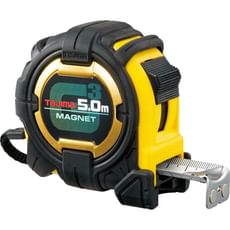
End Hook Design: Magnetic end hooks facilitate single-handed measuring against metal surfaces—valuable for electricians, HVAC engineers, and steel fabricators. The true zero floating hook should move freely to compensate for its own thickness, ensuring accurate internal and external measurements. Check the hook is securely riveted rather than crimped, as this significantly extends working life under professional use.
Blade Markings and Readability: Dual-sided printing allows reading measurements from above or below without flipping the tape—improving efficiency on site. High-contrast markings with clear numerals aid readability in poor lighting conditions. Some models feature fractional markings for imperial measurements alongside metric graduations. Blade printing should resist wear, with quality tapes using coated markings that won't fade or rub off.
Brand Reputation and Warranty: Established manufacturers including Milwaukee, DeWalt, Stanley, Hultafors, and Draper offer proven reliability backed by warranties. Professional-grade models from these brands typically withstand years of demanding daily use. Budget brands available from Tooled-Up suit occasional DIY use and light-duty applications but may lack the longevity and accuracy required for professional conditions.
Popular Accessories
- Tape Measure Holsters: Leather or heavy-duty nylon holders that attach to tool belts via loops or clips, providing instant access whilst protecting the case from damage and preventing drops from height. Many feature additional pockets for pencils and small tools.
- Marking and Layout Tools: Carpenter's pencils, mechanical pencils, and marking knives work alongside tape measures for transferring measurements accurately to materials. Chalk and crayon markers suit rough surfaces and exterior applications.
- Spirit Levels: Essential complementary measuring tools for ensuring horizontal and vertical alignment when installing fixtures, building walls, or fitting kitchen units. Combination models with integrated tape measures offer versatility.
- Laser Distance Measurers: Digital alternatives for longer distances and situations requiring hands-free measurement, particularly useful for room dimensions, ceiling heights, and high-level work where tape extension becomes impractical.
- Chalk Lines: Essential for marking long straight lines based on tape measure readings, particularly useful for flooring installation, roofing work, and large-scale layout tasks on building sites.
- Combination Squares: Precision marking and measuring tools featuring adjustable heads that work with tape measures for accurate right angles, depth measurements, and marking parallel lines.
- Measuring Wheels: Mechanical or digital measuring wheels for longer distances where tape measures become impractical, ideal for landscaping, paving, and large construction projects.
Safety Information
Whilst pocket tape measures are relatively safe tools, observe these precautions to prevent injury and maintain equipment in safe working order:
- Control blade retraction carefully—never allow the tape to snap back rapidly as the metal edge can cause cuts to hands and fingers, or the end hook may strike your face causing injury
- Inspect the blade regularly for burrs, sharp edges, splits, or damage that could cause cuts during handling. Damaged blades should be replaced immediately rather than continued in use
- Keep fingers and hands clear of the blade path when extending or retracting to avoid pinching or trapping skin, particularly when using auto-lock mechanisms
- Store tape measures properly when not in use—loose tapes on work surfaces, scaffolding platforms, or floors create trip hazards on busy sites
- When working at height, secure your tape measure using a lanyard or tool tether to prevent drops that could injure people below or damage the equipment
- Take care when using magnetic tips near sensitive electronic equipment, data storage devices, or persons with pacemakers, as strong magnets can cause interference
- Avoid using damaged or worn tape measures for critical measurements where inaccuracy could compromise structural integrity or safety
- Clean blades after exposure to hazardous substances, sharp debris, or materials that could cause injury when handled subsequently
- Comply with HSE guidance regarding tool inspection and maintenance as part of workplace equipment management procedures
Frequently Asked Questions
What's the difference between Class 1 and Class 2 accuracy on tape measures?
Class 1 tape measures offer superior precision with a tolerance of ±0.3mm per metre, making them suitable for professional work requiring exact measurements such as joinery, kitchen fitting, and fine carpentry where accuracy directly affects quality. Class 2 tapes have a tolerance of ±0.6mm per metre, which suffices for general construction, building, and installation work. For applications where components must fit precisely—cabinet work, door hanging, worktop installation—Class 1 accuracy justifies the modest additional cost.
Why does the end hook on my tape measure move slightly—is it defective?
This floating movement is intentional design, not a manufacturing defect. The end hook compensates for its own thickness by moving approximately 1-2mm, shifting inward when pushing against a surface for internal measurements and outward when hooking over an edge for external measurements. This "true zero" feature ensures accurate readings regardless of measuring method. Quality tapes are precisely calibrated to account for this movement, providing consistent accuracy. If the hook moves excessively or the rivets are loose, the tape requires replacement.
How much standout do I need for professional trade use?
For professional applications, aim for at least 2 metres of standout, which allows measuring room widths and working at height without the blade collapsing mid-measurement. Premium tapes with 25-32mm wide blades typically achieve 2.5-3 metres standout—some models from Milwaukee and Stanley reach even further. Greater standout reduces the need for assistance when taking long measurements, improves efficiency on site, and enables accurate measurements in situations where accessing both ends simultaneously proves difficult. For general DIY use, 1.5 metres standout suffices.
Are magnetic tape measures worth the additional cost?
For tradespeople frequently working with metal surfaces—electricians installing conduit and trunking, HVAC engineers fitting ductwork, steel fabricators, and mechanical fitters—magnetic end hooks prove invaluable for single-handed operation. The magnet secures firmly to ferrous metal whilst you mark measurements or position materials. For carpentry, plastering, decorating, or general building work where you're rarely measuring against metal surfaces, standard end hooks suffice and save money. Consider your specific applications before paying the premium for magnetic functionality.
How do I maintain my pocket tape measure for longest working life?
Wipe the blade clean after use, especially when exposed to dust, moisture, cement, plaster, or building materials that could interfere with smooth operation. Avoid dropping the case or allowing the blade to retract violently—control retraction manually to reduce shock loads on internal components. Store in a dry location away from excessive heat or moisture. Periodically apply a light silicone spray to the blade for smooth extension and retraction whilst preventing corrosion. Check the end hook remains securely riveted and hasn't bent or distorted. Replace the tape if the blade becomes kinked, the markings wear illegible, or the locking mechanism fails, as continued use of damaged equipment compromises both accuracy and safety.