

Pole Sanders

Pay in 3 interest-free payments on purchases from £20-£3000 with  . Learn more.
 Loading...
End of content
Error - No more pages to load
About Pole Sanders
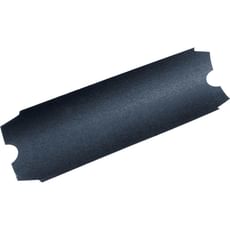
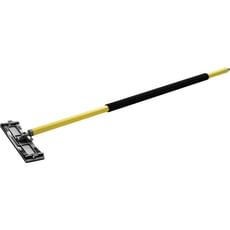
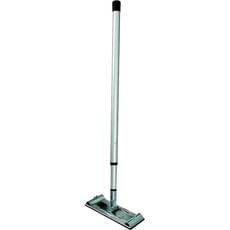
Pole sanders are essential tools designed for sanding walls and ceilings without the need for ladders or scaffolding. These specialised sanding tools feature a sanding head mounted on an extendable pole, allowing users to reach high areas safely and comfortably whilst keeping their feet firmly on the ground. The category encompasses complete pole sander units, replacement heads, extension poles, handles, and compatible sanding sheets, with quality options from trusted manufacturers including Draper, Marshalltown, Stanley, RST, Faithfull, and Tyzack.
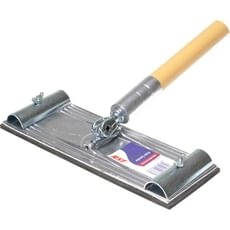
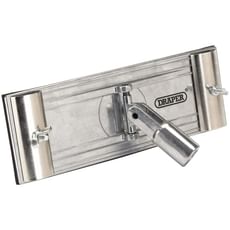
Most pole sanders utilise either a swivel head or fixed head design, with the former offering greater manoeuvrability around corners and across uneven surfaces. The sanding heads typically secure abrasive sheets using either wing nuts and clips or hook and loop (Velcro) fastening systems. Materials range from lightweight aluminium constructions for reduced user fatigue during extended use, to robust cast designs for demanding professional applications. Telescopic poles provide adjustable reach, commonly extending from approximately 1 metre to 2 metres or more, making them suitable for standard ceiling heights and taller spaces alike.
Whether preparing plasterboard for decoration, smoothing filler and jointing compound, or removing paint and imperfections from large vertical surfaces, pole sanders deliver consistent results whilst minimising physical strain. Tooled-Up.com stocks complete systems alongside individual components, allowing tradespeople to replace worn parts rather than purchasing entirely new units, representing excellent value for money over the tool's working life.
Jargon Buster
- Swivel Head: A sanding head mechanism that pivots and rotates in multiple directions, allowing the abrasive surface to maintain flat contact with walls and ceilings even at awkward angles, reducing the risk of gouging or uneven sanding.
- Hook and Loop Fastening: A quick-change system using Velcro-style attachment for securing sanding sheets to the head, enabling rapid abrasive changes without tools. Also known as a loop-backed system, it's faster than traditional clamp mechanisms.
- Drywall Sanding: The process of smoothing plasterboard (drywall) joints, tape, and filler compounds after installation, typically requiring fine to medium grit abrasives and generating significant dust.
- Grit Rating: The numerical classification of abrasive coarseness, with lower numbers (40-80) indicating coarse grits for heavy material removal, medium grits (100-150) for general smoothing, and higher numbers (180-240) for fine finishing work.
- Telescopic Extension: An adjustable pole featuring sections that slide and lock at various lengths, providing versatility for different ceiling heights and working positions without requiring multiple fixed-length poles.
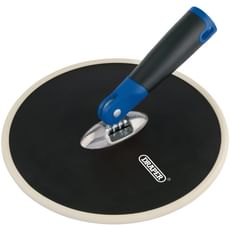
- Radial Sander Head: A circular sanding head design, often incorporating rotation mechanisms, particularly effective for covering large flat areas quickly and creating consistent surface finishes.
Who Uses Pole Sanders?
- Plasterers and Drywall Specialists: For finishing plasterboard installations and smoothing jointing compounds
- Painters and Decorators: Preparing walls and ceilings before applying paint or wallpaper, and removing old finishes
- General Builders: Carrying out refurbishment work and property maintenance involving surface preparation
- Renovation Contractors: Restoring period properties and preparing surfaces in older buildings
- Shopfitters: Creating smooth finishes in commercial premises and retail environments
- Property Maintenance Teams: Addressing wall and ceiling repairs in residential and commercial buildings
- DIY Enthusiasts: Homeowners tackling renovation projects, particularly room refurbishments and new plasterboard installations
- Ceiling Specialists: Installing and finishing suspended ceiling systems and coving
How to Choose the Right Pole Sanders
Head Type and Design: Decide between swivel heads for versatility around corners and fixed heads for flat surface efficiency. Consider whether a rectangular or radial design better suits your typical projects. Swivel mechanisms are particularly valuable when working around window reveals, door frames, and ceiling edges.
Fastening System: Hook and loop systems offer speed and convenience for frequent abrasive changes, ideal for professionals working through various grit stages. Traditional clamp systems provide secure holding and often accept standard cut-to-size abrasive sheets, reducing consumable costs.
Pole Length and Adjustability: Telescopic poles provide maximum flexibility across different ceiling heights and working scenarios. Fixed-length poles offer simplicity but require measuring your typical working height. The selection at Tooled-Up includes various extension options to suit standard UK ceiling heights of 2.4 metres and above.
Construction Materials: Aluminium heads reduce fatigue during prolonged overhead work whilst maintaining durability. Consider weight distribution when selecting poles—lighter isn't always better if it compromises rigidity, which can affect sanding pressure and control.
Compatibility and Replacements: Check whether replacement heads, handles, and abrasive sheets are readily available. Systems from established brands like Marshalltown, Stanley, and Draper typically offer comprehensive spare part availability, protecting your investment and reducing long-term running costs.
Handle Comfort: Soft-touch grips reduce hand fatigue and improve control during extended use. Some models feature additional handle positions for different working angles and user preferences.
Popular Accessories
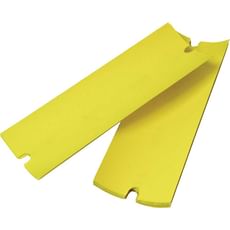
- Replacement Sanding Sheets: Available in various grit ratings from coarse through to fine, often sold in multi-packs for economy
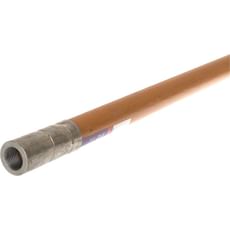
- Extension Poles: Additional or alternative length poles for specific ceiling heights or reach requirements
- Replacement Sander Heads: Spare or alternative head designs including swivel and fixed options
- Dust Extraction Attachments: Connections for vacuum systems to minimise airborne dust during sanding operations
- Replacement Handles: Spare handles for existing heads or ergonomic upgrades for improved comfort
- Abrasive Mesh Sheets: Open-weave alternatives to traditional paper that resist clogging and extend working life
- Dust Masks and Respirators: Essential PPE for protecting against fine dust particles during drywall sanding
- Work Lights: Illumination to highlight surface imperfections during preparation work
Safety Information
Dust Control: Sanding plasterboard and filler generates substantial fine dust that can cause respiratory irritation. Always work in well-ventilated areas and wear appropriate dust masks or respirators conforming to HSE recommendations. Consider connecting compatible dust extraction equipment where possible.
Physical Strain: Extended overhead sanding can cause neck, shoulder, and arm fatigue. Take regular breaks, maintain proper posture, and avoid overreaching. Adjust pole length appropriately rather than working at awkward angles, and keep the work area clear of trip hazards.
Stability and Balance: Ensure stable footing on level surfaces. Never use pole sanders whilst standing on ladders or unstable platforms. The leverage created by extended poles can affect balance, particularly when applying pressure to stubborn areas.
Eye Protection: Wear safety glasses or goggles to prevent dust and debris entering eyes, especially when sanding ceilings directly overhead. Particles can fall during the sanding process and when changing abrasive sheets.
Electrical Hazards: When working near ceilings, be aware of hidden electrical cables and junction boxes. Avoid sanding directly over light fittings or electrical outlets without first isolating circuits where necessary.
Frequently Asked Questions
What grit sandpaper should I use for finishing plasterboard joints?
Start with 100-120 grit for initial smoothing of dried jointing compound, then progress to 150-180 grit for final finishing. Avoid very coarse grits that might damage the paper surface of the plasterboard. Always sand in a circular or figure-of-eight motion to prevent ridges.
Can I attach my own extension pole to a sander head?
Most pole sander heads feature standard threaded connections compatible with universal extension poles, typically Acme thread or similar. However, check thread compatibility before purchasing separately, as some manufacturers use proprietary fittings. Products available from Tooled-Up typically specify thread types and compatible accessories.
How do I prevent dust when sanding ceilings?
Whilst pole sanders generate considerable dust, you can minimise it by using mesh abrasives that allow dust to pass through, sealing doors with dust sheets, opening windows for ventilation, and wearing appropriate respiratory protection. Some professional sander heads accept dust extraction attachments compatible with workshop vacuums.
What's the difference between swivel and fixed head pole sanders?
Swivel heads pivot to maintain contact with surfaces at various angles, making them ideal for corners, ceiling edges, and uneven surfaces. Fixed heads offer more direct pressure control and are often preferred for large flat areas. Many professionals keep both types for different applications.
How often should I replace sanding sheets?
Replace sheets when they become clogged with dust, torn, or lose cutting efficiency. This varies depending on material being sanded and pressure applied, but typically expect to change sheets every 10-20 square metres for drywall work. Mesh-backed sheets generally last longer than traditional paper-backed alternatives.