

Polishing Accessories
Pay in 3 interest-free payments on purchases from £30-2000 with  . Learn more.
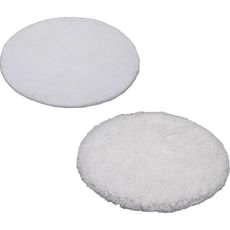
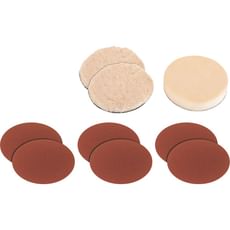
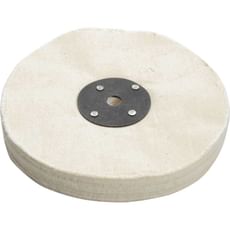
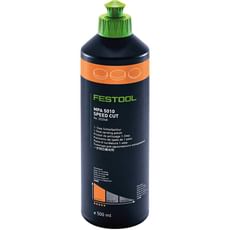
 Loading...
End of content
Error - No more pages to load
About Polishing Accessories
Polishing accessories are essential consumables and attachments that work alongside polishing machines and power tools to deliver professional finishing results across a wide range of materials. From automotive bodywork and metal fabrication to stone working and furniture restoration, the right polishing accessories make the difference between an average finish and a flawless, mirror-like shine. These products include various compounds, pads, mops, bonnets, and connecting hardware that adapt standard power tools into precision polishing equipment.
The selection at Tooled-Up.com encompasses everything needed for both light-duty DIY projects and demanding professional applications. Whether you're a seasoned tradesperson working on high-value restoration projects or a home enthusiast looking to revive tired paintwork, choosing the appropriate polishing accessories ensures optimal results whilst protecting the surface being worked. Different materials require specific combinations of abrasives, pad densities, and application methods – understanding these relationships is key to achieving professional-quality finishes.
Polishing accessories are designed to work with various power tools including angle grinders, drill attachments, and dedicated polishing machines. The versatility of modern polishing accessories means that tradespeople can achieve specialist results without investing in multiple dedicated machines, making them cost-effective solutions for businesses of all sizes. Quality accessories from brands such as Makita, Bosch, and Milwaukee deliver consistent performance and longer working life, reducing consumable costs over time.
Jargon Buster
- Cutting Compound
- An abrasive polishing compound containing coarser particles designed to remove scratches, oxidation, and imperfections from surfaces before final polishing stages. Typically the first step in a multi-stage polishing process.
- Pig-Tail (or Spindle Arbor)
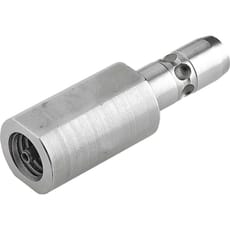
- A threaded shaft attachment that connects polishing mops, bonnets, and pads to power tools such as angle grinders or drills. Available in various thread sizes to match different tools and accessories, typically with M10 or M14 threads.
- Cutting Pad vs Finishing Pad
- Cutting pads are firmer and more aggressive, designed to remove defects, whilst finishing pads are softer and gentler, used for final polishing and achieving high-gloss results. Colour-coding often indicates pad firmness and intended use.
- Swirl Marks
- Fine circular scratches created during polishing, often caused by contaminated pads, excessive pressure, or incorrect polishing technique. Proper pad maintenance and correct compound selection help prevent these unwanted marks.
- Bonnet (Polishing)
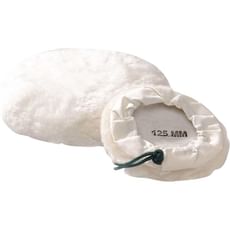
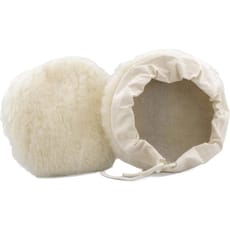
- A soft, typically cotton or microfibre cover that fits over polishing pads to provide an ultra-smooth polishing surface. Bonnets can be washed and reused, making them economical for high-volume polishing work.
- Compounding
- The process of using abrasive polishing compounds to progressively refine a surface, typically moving from coarser to finer grades to achieve the desired finish and remove previous stage marks.
Who Uses Polishing Accessories?
- Automotive Detailers & Valeting Professionals – for paint correction, removing swirl marks, and achieving showroom finishes on vehicle bodywork
- Body Shop Technicians – for final finishing of painted panels and blending repair work to match existing paintwork
- Metal Fabricators & Welders – for finishing stainless steel, aluminium, and other metals to smooth welds and achieve brushed or mirror finishes
- Stone Masons & Worktop Installers – for polishing granite, marble, and engineered stone surfaces to restore shine and remove scratches
- Furniture Restorers & French Polishers – for achieving high-gloss finishes on wood and removing minor surface imperfections
- Boat Builders & Marine Engineers – for polishing gelcoat and metal fittings on vessels to protect against corrosion and maintain appearance
- Jewellers & Silversmiths – for precision polishing of precious metals and achieving mirror finishes on small components
- Engineering & Manufacturing – for deburring, surface preparation, and finishing machined components
- DIY Enthusiasts & Home Restorers – for reviving paintwork, polishing chrome fittings, and maintaining classic vehicles
How to Choose the Right Polishing Accessories
Material Compatibility: Different surfaces require specific accessories. Automotive paintwork demands soft foam pads and fine compounds, whilst metal fabrication may require more aggressive mops and coarser compounds. Always verify that your chosen accessories are suitable for the material you're working with to avoid damage.
Polishing Stage Requirements: Professional results typically require a multi-stage approach. Start with cutting compounds and firmer pads to remove defects, then progress through intermediate stages before finishing with ultra-fine compounds and soft pads. Tooled-Up stocks complete ranges that allow you to build a comprehensive polishing system.
Tool Compatibility: Ensure polishing accessories match your power tool specifications. Check thread sizes on pig-tails (commonly M10 or M14), pad backing plate diameters, and maximum RPM ratings. Using accessories rated below your tool's speed can result in dangerous failures.
Pad Size & Density: Larger pads cover more area but are less manoeuvrable in tight spaces. Denser pads are more aggressive but generate more heat. Consider the size of surfaces you typically work on and whether you need precision or coverage. Professional detailers often maintain multiple sizes for different applications.
Application Environment: Consider whether you'll be working in workshops with 240v power supplies or mobile situations requiring cordless tools. Some polishing accessories generate significant heat during use, so adequate ventilation and appropriate work speeds are essential for both safety and results.
Durability & Economy: Quality polishing accessories from established brands typically last longer and deliver more consistent results. Washable bonnets and reusable pads offer better value than disposable alternatives for high-volume work, whilst hobby users may prefer economical starter kits.
Popular Accessories
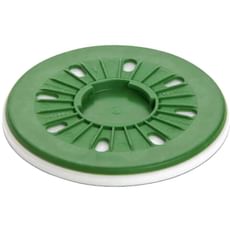
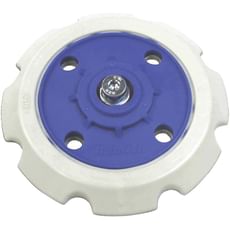
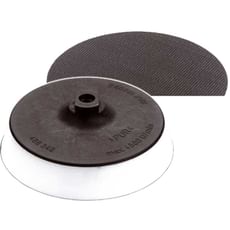
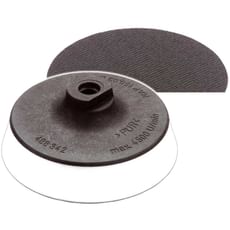
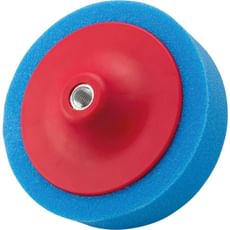
- Backing Plates – flexible and rigid options for attaching hook-and-loop polishing pads to angle grinders and polishers
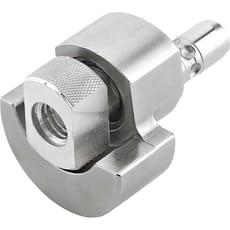
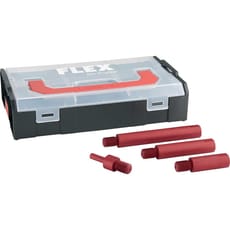
- Extension Arbors – reach recessed areas and improve access when polishing awkward surfaces
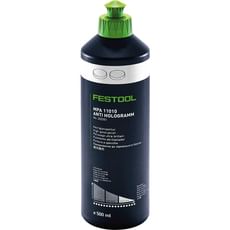
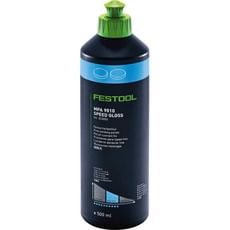
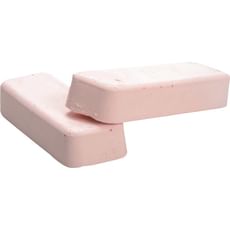
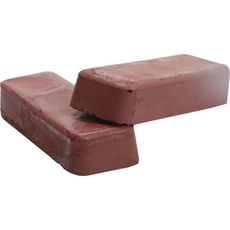
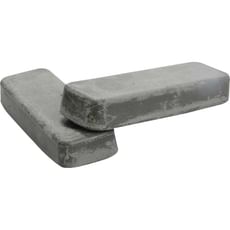
- Polishing Compound Sets – complete systems with cutting, polishing, and finishing compounds for progressive refinement
- Microfibre Cloths – essential for removing compound residue and inspecting work between polishing stages
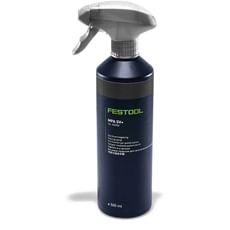
- Spray Bottles – for applying compounds evenly and controlling product usage
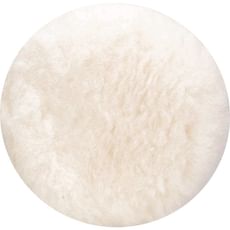
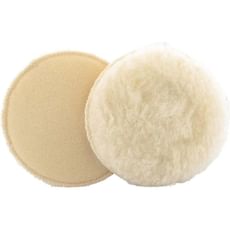
- Wool Cutting Pads – aggressive cutting action for heavily oxidised or scratched surfaces
- Foam Applicators – for hand application of compounds in areas too delicate for machine polishing
- Speed Controllers – regulate power tool speeds for optimal polishing results and reduce the risk of burning paintwork
- Pad Cleaning Brushes – maintain polishing pads by removing compound build-up during use
- Storage Cases – keep polishing accessories organised and protected, particularly useful for mobile tradespeople
Safety Information
Eye Protection: Always wear safety glasses or face shields when polishing, as compounds and loose particles can be thrown from rotating accessories at high speed. This is particularly important when using aggressive cutting compounds on angle grinders.
Respiratory Protection: Polishing generates fine dust particles, especially when working with metal or stone. Use appropriate dust masks or respirators in accordance with COSHH regulations, particularly in enclosed workshops without adequate ventilation.
Speed Ratings: Never exceed the maximum RPM rating marked on polishing accessories. Operating above these limits can cause pads, mops, or bonnets to disintegrate, creating dangerous projectiles. Verify your power tool's speed before fitting accessories.
Secure Mounting: Ensure all polishing accessories are correctly threaded onto pig-tails and backing plates are firmly attached before starting work. Loose accessories can detach during operation, causing injury or damage. Regularly check tightness during extended polishing sessions.
Heat Management: Excessive pressure or prolonged contact in one area generates heat that can damage painted surfaces, warp plastics, or cause burns to operators. Keep the polisher moving and allow surfaces to cool between passes. Work at appropriate speeds for the accessory type.
Electrical Safety: When using 240v powered tools for polishing, ensure cables are positioned away from rotating accessories and that connections are protected from polishing compounds and water. Consider RCD protection when working in damp environments or on vehicles.
Frequently Asked Questions
Q: What's the difference between polishing compounds, cutting compounds, and finishing compounds?
A: These terms describe different stages of the polishing process. Cutting compounds contain coarser abrasives designed to remove scratches, oxidation, and defects. Polishing compounds have medium abrasives for refining the surface after cutting. Finishing compounds (or glazes) contain the finest abrasives for achieving high-gloss, swirl-free results. Professional results typically require progressing through all three stages with appropriate pad changes between stages.
Q: Can I use the same polishing pad for different compounds?
A: It's not recommended. Different compounds require different pad types for optimal results, and using the same pad for multiple compounds causes cross-contamination, reducing effectiveness and potentially causing scratches. Cutting stages need firmer pads, whilst finishing requires softer ones. Additionally, residual cutting compound in a pad used for finishing will prevent achieving a perfect final polish. Professional detailers maintain separate, labelled pads for each stage.
Q: How do I know which thread size pig-tail I need for my angle grinder?
A: Most modern angle grinders use either M10 or M14 threaded spindles. Check your grinder's documentation or examine the existing spindle thread. M14 is most common on larger grinders (115mm/125mm discs and above), whilst M10 appears on some compact models. The thread size should match both your grinder spindle and the polishing accessory you're attaching. Some pig-tails include adapters for multiple thread sizes.
Q: Why am I getting swirl marks even after polishing?
A: Swirl marks typically result from contaminated pads, using too aggressive a compound for the final stage, excessive pressure, or working at incorrect speeds. Ensure pads are clean (or use fresh ones for finishing stages), reduce pressure to let the pad and compound do the work, verify you're using a dedicated finishing pad with fine compound, and don't exceed recommended speeds. Working in poor lighting can also cause you to miss swirls during the process – inspect work in bright, direct light.
Q: How often should I replace polishing pads and mops?
A: This depends on usage frequency and maintenance. Foam pads should be replaced when they become compressed, torn, or no longer regain their shape after use. Wool mops need replacement when fibres become matted or significantly worn. Cotton bonnets can last many washes but should be replaced when fabric integrity deteriorates. Regular cleaning extends life significantly – wash foam pads after each use and clean wool mops with pad cleaning brushes during work. Professional detailers might replace cutting pads monthly with daily use, whilst occasional users may get a year or more from well-maintained accessories.