

Polishing Compounds

Pay in 3 interest-free payments on purchases from £20-£3000 with  . Learn more.



 Loading...
End of content
Error - No more pages to load
About Polishing Compounds
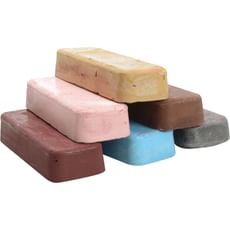
Polishing compounds are specialised abrasive materials designed to refine and perfect metal, plastic, and composite surfaces through progressive stages of finishing. Available in bar form, paste, or liquid formulations, these compounds work in conjunction with buffing wheels, polishing mops, and mounted points to remove scratches, restore lustre, and achieve mirror-like finishes on everything from stainless steel fabrications to painted automotive panels. The colour-coded system used by manufacturers like Zenith Profin helps tradespeople quickly identify the correct grade for each stage of the polishing process, from aggressive cutting compounds through to ultra-fine finishing agents.
Professional polishing compounds contain carefully graded abrasive particles suspended in a binding agent, with different formulations optimised for specific materials and applications. Coarser compounds remove oxidation, paint defects, and deep scratches, whilst finer grades progressively refine the surface to eliminate swirl marks and create high-gloss finishes. Modern compounds from brands such as Festool incorporate advanced chemical technologies that reduce working time and heat generation, making them particularly suitable for temperature-sensitive materials. Whether preparing aluminium fabrications for anodising, restoring brass architectural fittings, or achieving show-quality finishes on classic vehicle chrome work, the right polishing compound makes the difference between adequate results and exceptional craftsmanship.
The selection at Tooled-Up.com ranges from comprehensive polishing kits containing multiple compound grades and buffing accessories through to individual bars and bottles of specialised formulations. These products suit applications from site fabrication and maintenance work through to precision engineering and restoration projects, with options compatible with bench grinders, angle grinders, electric drills, and dedicated polishing machines.
Jargon Buster
- Cutting Compound: An aggressive polishing compound containing coarser abrasive particles designed to remove oxidation, scratches, and surface imperfections quickly. Typically the first stage in a multi-step polishing process.
- Finishing Compound: A fine-grade polishing compound used in the final stages of surface refinement to eliminate swirl marks and achieve high-gloss or mirror finishes without removing significant material.
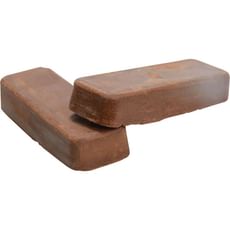
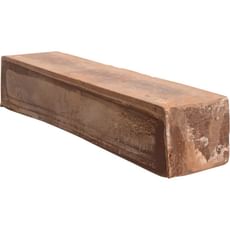
- Tripoli: A traditional brown polishing compound made from rottenstone (decomposed limestone) used for general-purpose metal polishing, particularly effective on brass, copper, and softer metals.
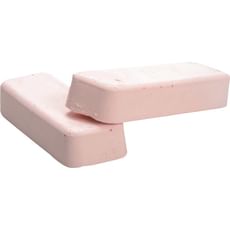
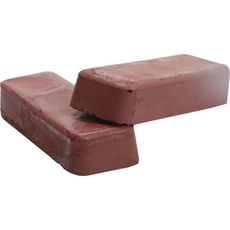
- Rouge: An ultra-fine finishing compound, traditionally red or pink in colour, containing ferric oxide particles used for achieving the highest gloss levels on precious metals, chrome, and stainless steel.
- Loaded Wheel: A buffing wheel or mop that has had polishing compound applied to it, embedding the abrasive particles into the wheel's surface for effective cutting or finishing action.
- Colour Coding: The system manufacturers use to differentiate compound grades, with each colour indicating specific abrasive particle size and intended application, ensuring tradespeople select the correct product for each polishing stage.
Who Uses Polishing Compounds?
Polishing compounds are essential materials for numerous trades and applications:
- Metal Fabricators and Welders: Finishing stainless steel fabrications, removing weld discolouration, and preparing surfaces for passivation
- Automotive Body Shops: Cutting back paintwork, removing scratches and swirl marks, and achieving showroom-quality finishes
- Jewellers and Silversmiths: Achieving high-lustre finishes on precious metals and removing tool marks from delicate pieces
- Engineering Workshops: Finishing machined components, removing burrs, and achieving specified surface finishes
- Maintenance Engineers: Restoring oxidised equipment, removing corrosion, and maintaining appearance of architectural metalwork
- Classic Vehicle Restorers: Bringing chrome work back to original condition and achieving concours-standard metal finishes
- Woodworkers: Polishing lacquered surfaces and achieving glass-like finishes on French-polished furniture
- Plumbers: Finishing copper pipework and polishing brass fittings in high-specification installations
- Stone Masons: Polishing marble, granite, and composite stone surfaces
How to Choose the Right Polishing Compounds
Selecting appropriate polishing compounds requires consideration of several key factors:
Material Compatibility: Different metals and materials require specific compound formulations. Harder materials like stainless steel need more aggressive cutting compounds, whilst softer metals such as aluminium, brass, and copper work best with gentler formulations to avoid over-cutting. Plastic-specific compounds prevent melting and scratching of acrylic, polycarbonate, and other polymers.
Surface Condition: Assess the starting condition of your workpiece. Heavily oxidised, scratched, or pitted surfaces require coarse cutting compounds initially, progressing through medium and fine grades. Surfaces with minor imperfections may only need medium to fine compounds. Professional results typically involve a three-stage process: cutting, intermediate polishing, and final finishing.
Desired Finish: Consider whether you need a satin finish, high gloss, or mirror polish. Each requires different final-stage compounds. Brands like Festool offer clearly defined finishing compounds for specific gloss levels, whilst traditional Zenith Profin colour-coded bars allow experienced tradespeople to achieve precisely the finish their application demands.
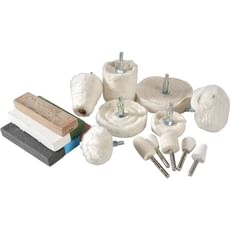
Application Method: Ensure compound compatibility with your polishing equipment. Bar compounds suit buffing wheels on bench grinders and angle grinders, whilst liquid polishing agents work better with orbital polishers and rotary machines. Comprehensive kits available from Tooled-Up include compounds alongside compatible buffing wheels and mounted points for drill-based polishing.
Working Environment: For site work, solid bar compounds offer durability and portability. Workshop environments may benefit from liquid formulations that reduce airborne dust. Consider whether you need compounds that work effectively at high speeds or those formulated for lower-speed applications to prevent heat build-up on sensitive materials.
Popular Accessories
- Buffing Wheels and Mops: Stitched cotton, sisal, and felt wheels in various diameters for different polishing stages
- Mounted Points: Shaped polishing bobs including cones, balls, and cylinders for accessing complex profiles
- Polishing Bonnets: Lambswool and microfibre bonnets for orbital and rotary polishing machines
- Bench Grinders: Dedicated polishing stations providing stable platforms for buffing work
- Angle Grinders: Versatile tools accepting polishing accessories for on-site finishing work
- Face Shields and Safety Glasses: Essential PPE protecting against compound particles and flying debris
- Work Gloves: Heat-resistant gloves preventing burns from friction-heated workpieces
- Cleaning Rakes: Wire tools for removing compound build-up and maintaining buffing wheel effectiveness
- Dust Extraction Systems: Capturing airborne compound particles for healthier working environments
Safety Information
Working with polishing compounds and rotating buffing equipment presents specific hazards requiring proper precautions. Always wear appropriate eye protection, as compounds can generate fine particles and buffing wheels may shed material or snag workpieces, causing sudden movement. Face shields provide superior protection for extended polishing sessions.
Loose clothing, jewellery, gloves with loose cuffs, and long hair present serious entanglement risks with rotating buffing wheels and must be secured or removed. The HSE recommends maintaining firm grip on workpieces whilst avoiding excessive pressure that could cause snatching. Position yourself to the side of the buffing wheel's rotation, never directly in line with it.
Friction during polishing generates considerable heat, particularly when working with bar compounds on high-speed equipment. Allow workpieces to cool before handling, and avoid prolonged contact with single areas that might cause localised overheating or material distortion. Ensure adequate ventilation when polishing, as compounds generate fine dust that may cause respiratory irritation. Consider dust extraction systems for regular polishing work.
Store polishing compounds away from extreme temperatures and ensure bar compounds are secured to prevent damage. Keep compounds in their original packaging to maintain identification of grade and intended use. Following COSHH guidelines, minimise skin contact with compounds, particularly when working with them for extended periods, and wash hands thoroughly after use.
Frequently Asked Questions
What's the difference between cutting compound and finishing compound?
Cutting compounds contain coarser abrasive particles designed to remove material quickly, addressing scratches, oxidation, and surface defects. Finishing compounds use much finer abrasives to refine the surface progressively, eliminating the marks left by cutting compounds and creating high-gloss or mirror finishes. Professional results typically require both types in sequence.
Can I use the same polishing compound on different metals?
Whilst some compounds work across multiple materials, best results come from using formulations optimised for specific metals. Compounds designed for hard stainless steel may over-cut softer aluminium or brass. Specialised compounds like Zenith Profin Plastmax are formulated specifically for plastics and shouldn't be used on metals. Always check manufacturer recommendations for material compatibility.
How do I apply bar compound to a buffing wheel?
With the buffing wheel rotating at normal speed, hold the compound bar lightly against the wheel's face for several seconds, allowing friction heat to soften the compound and transfer it to the wheel fibres. Apply compound periodically during use as the wheel becomes depleted. Avoid excessive application, which creates compound build-up and reduces effectiveness.
Why does my polished surface have swirl marks?
Swirl marks typically indicate that you've moved too quickly to fine finishing compounds without adequately removing scratches from previous stages, or that you're using worn buffing wheels that no longer cut effectively. Progress through compound grades systematically, ensuring each stage removes the marks from the previous one. Clean or replace buffing wheels regularly, and avoid excessive pressure that scores the surface.
What speed should I run my polishing equipment at?
Most polishing work is performed at 2,500-3,500 RPM, though this varies with workpiece material, compound grade, and wheel diameter. Higher speeds suit cutting compounds on hard materials, whilst lower speeds prevent heat build-up on plastics and temperature-sensitive metals. Variable-speed polishers offer greatest versatility, allowing you to optimise speed for each application and polishing stage.