

Polishing Mops & Bonnets

Pay in 3 interest-free payments on purchases from £20-£3000 with  . Learn more.
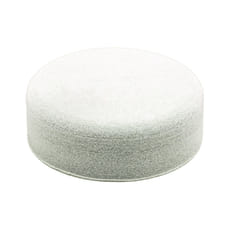
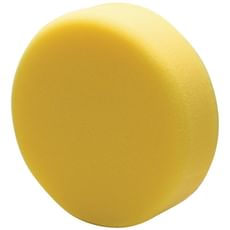
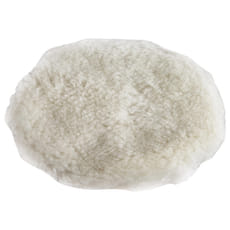
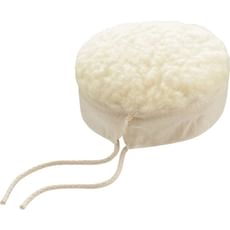
 Loading...
End of content
Error - No more pages to load
About Polishing Mops & Bonnets
Polishing mops and bonnets are essential accessories for achieving professional-quality surface finishes on a wide variety of materials. These attachments fit onto power tools such as angle grinders, polishers, and drills to buff, shine, and refine surfaces including metals, plastics, composites, paintwork, and woodwork. Whether you're restoring automotive bodywork, finishing fabricated metalwork, or bringing furniture back to life, the right polishing mop or bonnet can make the difference between an acceptable finish and a flawless, showroom-quality result.
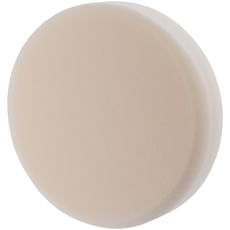
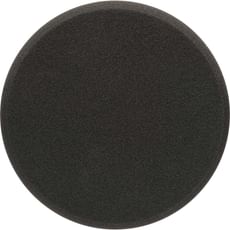
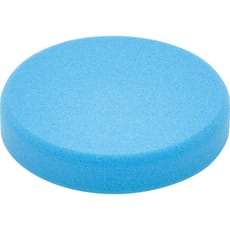
The range at Tooled-Up includes lambswool bonnets for gentle buffing, foam polishing sponges in varying densities for different cutting and finishing applications, and hook and loop backed pads for quick attachment changes. Premium brands such as Festool, Bosch Professional, Makita, and Draper offer mops and bonnets engineered for durability and consistent performance across demanding professional applications. From coarse foam pads that remove light scratches and swirl marks to ultra-soft finishing bonnets that create mirror-like shine, there's a solution for every stage of the polishing process.
Complete polishing kits like the Blue Spot 18 Piece Polishing Kit provide excellent value for tradespeople and enthusiasts who need a comprehensive selection of buffing wheels, mounted points, and polishing compounds in one convenient package. These kits typically include multiple sizes and types of mops suited to different materials and applications, making them ideal for workshops handling varied polishing tasks.
Jargon Buster
- Hook and Loop Backing: A quick-change attachment system (commonly known by the brand name Velcro) that allows polishing pads and bonnets to be swapped rapidly without tools. The hook side attaches to the backing pad on your power tool, while the loop side is sewn or bonded to the polishing accessory.
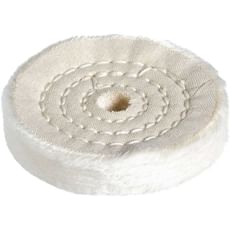
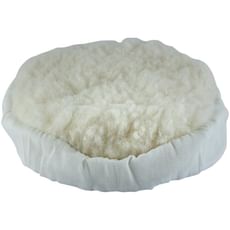
- Lambswool Bonnet: A polishing attachment made from natural sheepskin wool, prized for its soft, fine fibres that create an exceptionally smooth finish without scratching delicate surfaces. Ideal for final buffing stages and applying waxes or glazes.
- Foam Density Grades: Polishing sponges come in varying firmness levels—coarse/firm foam cuts more aggressively to remove imperfections, medium foam balances correction and finish, while soft and ultra-soft foam provide gentle finishing for high-gloss results.
- Buffing Wheel: A rotating disc-shaped mop, typically made from cloth, cotton, or synthetic materials stitched together in layers. Used with polishing compounds to cut and refine surfaces, particularly metals.
- Mounted Points: Small polishing mops in various shapes (ball, cone, bullet, tapered) fitted with a shaft that slots into drill chucks. Perfect for reaching intricate areas, recesses, and detailed metalwork.
- Polishing Compound: Abrasive paste or bar applied to polishing mops to enhance cutting or finishing performance. Available in different grades from coarse cutting compounds to ultra-fine finishing compounds.
Who Uses Polishing Mops & Bonnets?
- Automotive Body Repairers & Detailers: For removing paint defects, swirl marks, and scratches, then creating mirror finishes on vehicle bodywork
- Metal Fabricators & Welders: To finish stainless steel, aluminium, brass, and other metals to commercial or decorative standards
- Cabinet Makers & French Polishers: For applying and buffing traditional finishes on fine furniture and woodwork
- Jewellers & Silversmiths: Using small mounted points to polish intricate metalwork and precious metals
- Boat Builders & Marine Engineers: For maintaining gelcoat finishes and polishing metal fittings on vessels
- Motorcycle Enthusiasts & Restorers: To achieve show-quality finishes on chrome, aluminium engine cases, and paintwork
- Maintenance Engineers: For refurbishing industrial equipment and machinery components
- DIY Enthusiasts: Restoring classic cars, refurbishing furniture, or maintaining domestic metalwork
How to Choose the Right Polishing Mops & Bonnets
Material Compatibility: Match your mop type to the surface you're polishing. Lambswool bonnets excel on paintwork and delicate finishes, foam pads suit automotive correction work, whilst cotton and sisal buffing wheels work well on harder metals and plastics.
Attachment Method: Check your power tool's backing pad system. Hook and loop attachments offer quick changes and are standard on modern polishers and sanders. Threaded arbor mops suit bench grinders, whilst shafted mounted points fit drill chucks.
Diameter Compatibility: Tooled-Up.com stocks mops and bonnets in various diameters, commonly 125mm, 150mm, and 180mm for machine polishers. Ensure your chosen accessory matches your tool's backing pad size for safe, effective operation.
Foam Density Selection: Start with firmer foam or coarse pads for correction work (removing scratches and oxidation), progress through medium density for refining, and finish with soft or ultra-soft foam for final high-gloss buffing. Many professionals keep several grades to hand.
Quality and Durability: Professional brands like Festool, Bosch Professional, and Makita manufacture bonnets and mops with reinforced stitching, premium materials, and washability for extended working life. For occasional use, quality mid-range options from Draper or Sealey offer excellent value.
Kit vs Individual Items: If you're setting up or need versatility, comprehensive kits provide multiple mop types, sizes, and often polishing compounds at better value than buying separately. For specific applications or replacing worn items, individual pads and bonnets are more economical.
Popular Accessories
- Polishing Compounds: Cutting compounds, finishing pastes, and colour-specific products for different materials and results
- Backing Pads: Hook and loop backing plates in various diameters and thread fittings to match your power tool
- Angle Grinders & Polishers: 240v corded or cordless machines from Milwaukee, Makita, and DeWalt for driving your polishing accessories
- Variable Speed Controllers: For tools without built-in speed control, allowing optimal RPM for different polishing stages
- Microfibre Cloths: For removing polish residue and final buffing between stages
- Masking Tape: To protect trim, badges, and adjacent surfaces during polishing operations
- Spray Bottles: For applying lubricants or water when wet polishing certain materials
- Dust Extraction: For sanding and polishing operations that generate airborne particles
Safety Information
Eye Protection: Always wear safety glasses or a full face shield when polishing. Compounds, particles, and splatter can be thrown from rotating mops at high velocity.
Respiratory Protection: Polishing generates fine dust and aerosols, particularly when working metals or using compounds. Wear appropriate dust masks or respirators in accordance with COSHH regulations, especially in enclosed workshops.
Speed Ratings: Never exceed the maximum RPM rating marked on polishing accessories. Over-speed operation can cause pads and bonnets to disintegrate with serious injury risk. Match tool speed settings to the accessory specification.
Secure Workpieces: Always clamp or secure items being polished. Rotating mops can snag and pull loose objects from your hands, particularly when polishing smaller components.
Electrical Safety: When using 240v powered tools, ensure equipment is PAT tested, leads are undamaged, and you're working from properly earthed sockets. Keep polishing compounds and liquids away from electrical connections.
Clothing & Hair: Avoid loose clothing, jewellery, and tie back long hair. Rotating polishing equipment can catch and pull loose items with devastating consequences. Consider HSE guidance on safe use of abrasive wheels and polishing equipment.
Frequently Asked Questions
Can I wash and reuse lambswool bonnets?
Yes, quality lambswool bonnets from brands stocked at Tooled-Up can be hand washed in lukewarm water with mild detergent to remove polish buildup. Rinse thoroughly, squeeze gently (don't wring), and allow to air dry naturally. Avoid hot water or machine washing which can damage the wool fibres and backing. Proper care extends bonnet life significantly.
What's the difference between foam polishing pads and lambswool bonnets?
Foam pads are synthetic, come in varying densities for different cutting and finishing stages, and work well with liquid polishes for automotive correction work. Lambswool bonnets are natural, softer, and excel at final buffing and applying wax or sealant. Many professionals use foam pads for correction then switch to lambswool for the final finish.
Will these bonnets fit my random orbital sander?
Most polishing bonnets with hook and loop backing will fit random orbital sanders with matching diameter backing pads. However, check your sander's specifications—high-speed polishers typically run at different speeds to orbital sanders. For best results, use dedicated polishing machines rather than repurposing sanders for heavy polishing work.
How often should I replace polishing mops and bonnets?
Replace mops when they show visible wear—thinning material, loose stitching, loss of pile density, or when performance noticeably declines. Professional users polishing daily might replace bonnets monthly, whilst occasional hobbyist use could see a quality bonnet last years with proper cleaning. Keep spares on hand to maintain productivity.
Can I use the same mop for different polishing compounds?
It's best practice to dedicate specific mops to each compound grade to prevent contamination. Using a finishing bonnet that previously held coarse compound will scratch during final polishing. Label and store mops separately, or maintain separate sets for cutting, refining, and finishing stages for consistently professional results.