

Polo Shirts

Pay in 3 interest-free payments on purchases from £20-£3000 with  . Learn more.



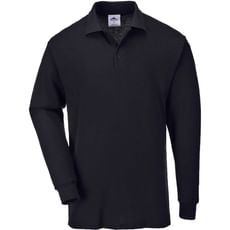
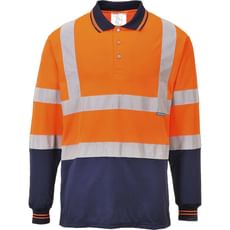
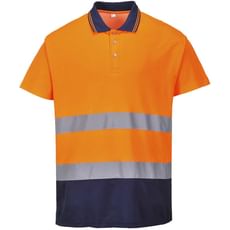
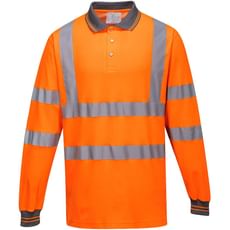
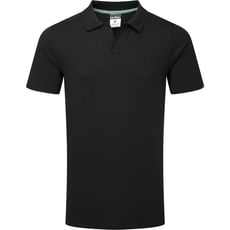

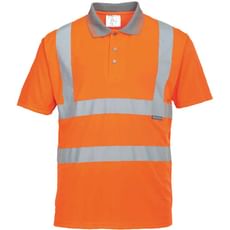
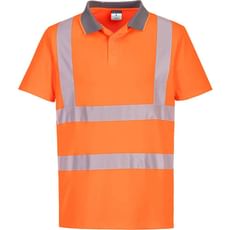
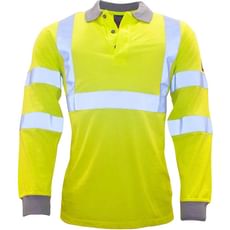
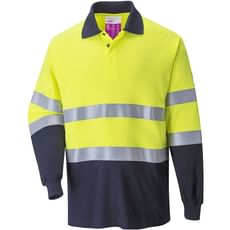
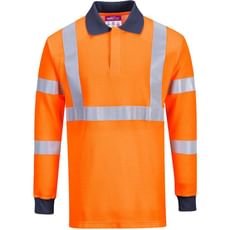
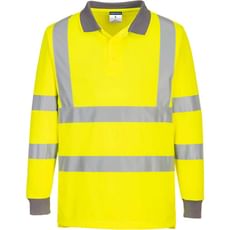
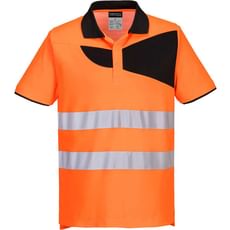
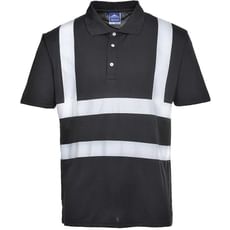
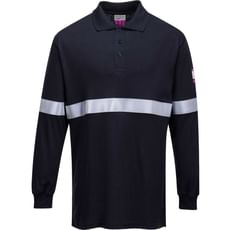
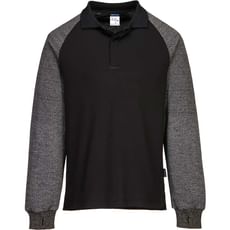
 Loading...
End of content
Error - No more pages to load
About Polo Shirts
Polo shirts designed for professional tradespeople and industrial workers combine the smart appearance of collared workwear with practical features essential for demanding work environments. Unlike standard casual polo shirts, work polo shirts available from Tooled-Up.com incorporate moisture-wicking fabrics, reinforced stitching, and compliance with safety standards including high-visibility requirements and flame-resistant properties. These garments bridge the gap between formal uniform requirements and the comfort needed for physical work, making them ideal for client-facing roles, site supervision, and professions where a professional appearance must be maintained alongside practical functionality.
The range at Tooled-Up includes polo shirts from leading workwear manufacturers such as Portwest, DeWalt, Dickies, and Scruffs, with specialist options from Modaflame for environments requiring flame-resistant clothing. Available in both short-sleeve and long-sleeve configurations, these polo shirts cater to different seasonal requirements and workplace regulations. High-visibility options meet BS EN ISO 20471 standards for workers operating near traffic or machinery, whilst cut-resistant and anti-static variants address specific occupational hazards. Many modern work polo shirts feature technical fabrics that regulate body temperature, wick away perspiration, and resist odours even during extended wear in challenging conditions.
Professional polo shirts serve multiple workplace sectors, from construction site management to facilities maintenance, retail environments to corporate trades. They're particularly valued in industries where corporate identity and team uniformity are important, yet traditional shirts would be impractical. Features such as chest pockets for pens and small tools, reinforced seams that withstand frequent washing, and colourfast fabrics that maintain their appearance through years of industrial laundering make these garments a cost-effective choice for both employers and self-employed tradespeople investing in professional workwear.
Jargon Buster
- Moisture-Wicking: Fabric technology that draws perspiration away from the skin to the garment's outer surface where it evaporates quickly, keeping the wearer dry and comfortable during physical work.
- GSM (Grams per Square Metre): A measurement of fabric weight and density. Work polo shirts typically range from 170-220 GSM, with higher values indicating heavier, more durable fabrics suitable for colder conditions or extended wear.
- Hi-Vis Class Rating: Classification system under BS EN ISO 20471 indicating the level of visibility. Class 2 garments provide moderate visibility suitable for most roadside and site work, whilst Class 3 offers the highest level of conspicuity for high-risk environments.
- Flame Resistant (FR): Fabrics treated or inherently manufactured to resist ignition and self-extinguish when exposed to flames, essential for workers near welding, electrical hazards, or petrochemical environments. Not to be confused with fireproof, which implies complete protection.
- Anti-Static Properties: Fabrics designed to dissipate static electricity safely, preventing sparks in environments where flammable gases, vapours, or dust are present. Often required in refineries, chemical plants, and grain handling facilities.
- GO/RT 3279: Railway industry technical specification for high-visibility clothing worn by track workers and railway personnel, more stringent than standard hi-vis requirements.
Who Uses Polo Shirts?
- Construction Site Managers and Supervisors requiring smart yet practical attire for site visits and client meetings
- Electricians and Electrical Contractors needing professional appearance for domestic and commercial installations
- Plumbers and Heating Engineers working in customers' homes where presentable workwear is expected
- Facilities Maintenance Teams in commercial buildings, hospitals, and educational establishments
- Warehouse and Logistics Personnel requiring comfortable, durable clothing for physical work
- Landscapers and Groundskeepers who need hard-wearing garments with professional appearance
- Retail and Trade Counter Staff in builders' merchants and tool suppliers
- Security Personnel requiring identifiable uniform clothing
- Highway Maintenance Workers needing hi-vis polo shirts meeting traffic management standards
- Telecommunications Engineers working on roadside installations and customer premises
- Railway Maintenance Teams requiring GO/RT compliant high-visibility workwear
How to Choose the Right Polo Shirts
Workplace Safety Requirements: Determine whether your work environment requires specific safety standards. High-visibility polo shirts are essential for roadside work, construction sites, and anywhere heavy machinery operates. Check whether you need Class 2 or Class 3 hi-vis certification under BS EN ISO 20471. For electrical work near live components or welding environments, flame-resistant options from manufacturers like Modaflame provide crucial protection, whilst anti-static variants prevent dangerous spark generation in volatile atmospheres.
Fabric Performance and Comfort: Consider the physical demands of your work and environmental conditions. Moisture-wicking polyester blends keep you comfortable during strenuous activity, whilst cotton-rich fabrics offer superior breathability for less intensive work. Heavier GSM ratings provide durability and warmth for outdoor winter work, whereas lighter fabrics suit warmer months or temperature-controlled environments. Brands like Portwest and DeWalt engineer their polo shirts with technical fabrics that balance comfort with longevity through repeated industrial washing.
Sleeve Length and Seasonal Versatility: Short-sleeve polo shirts work well in warmer months and heated indoor environments, whilst long-sleeve variants provide sun protection, additional warmth, and coverage for those preferring not to expose their arms in professional settings. Some workers maintain both options in their work wardrobe, rotating according to season and specific job requirements.
Practical Features: Assess the functional details that enhance daily usability. Chest pockets accommodate pens, small notebooks, and measuring tools without requiring separate storage. Reinforced stitching at stress points extends garment life, particularly important for frequent wearers. Ribbed cuffs and collars maintain their shape through repeated washing, whilst colourfast fabrics ensure your work polo shirts look professional even after months of wear. Consider whether you need cut-resistant options for roles involving sharp materials or glass handling.
Brand and Sizing Consistency: Tooled-Up stocks polo shirts from established workwear manufacturers including Portwest, Dickies, Scruffs, and DeWalt, each with slightly different fits and sizing conventions. When ordering for teams, consistency in brand helps ensure uniform appearance and simplifies reordering. Check sizing charts carefully, as work polo shirts often feature more generous cuts than casual wear to accommodate movement and layering over base garments.
Popular Accessories
- Base Layer Tops: Thermal or moisture-wicking underlayers for cold weather working
- Fleece Jackets and Gilets: Mid-layers that coordinate with polo shirts for temperature regulation
- High-Visibility Vests: Additional visibility layers when working temporarily in higher-risk areas
- Work Trousers and Cargo Shorts: Coordinating lower body workwear from the same manufacturer for uniform appearance
- Safety Boots and Trainers: Appropriate footwear completing professional work attire
- Baseball Caps and Bump Caps: Head protection and sun shielding compatible with polo shirt workwear
- Tool Belts and Pouches: Carrying solutions that work well with tucked or untucked polo shirts
- Embroidery Services: Company logo application for branded team uniforms
Frequently Asked Questions
How should I care for work polo shirts to maximise their lifespan?
Wash work polo shirts according to the care label instructions, typically at 40-60°C depending on soiling level and fabric composition. Turn garments inside out before washing to protect any printed logos or high-visibility strips. Avoid fabric softeners on moisture-wicking or flame-resistant polo shirts as these can compromise the technical properties of the fabric. Tumble dry on low heat or line dry to prevent shrinkage. Hi-vis polo shirts should be replaced when the reflective strips show significant wear or the fluorescent fabric fades noticeably, as this indicates reduced effectiveness.
What's the difference between flame-resistant and flame-retardant polo shirts?
Flame-resistant (FR) fabrics are inherently manufactured with fibres that won't support combustion, maintaining their protective properties throughout the garment's lifetime. Flame-retardant garments are treated with chemical finishes that provide fire resistance but may diminish with repeated washing. For critical safety applications in welding, electrical work, or petrochemical industries, inherently flame-resistant polo shirts from specialists like Modaflame offer more reliable, long-term protection and are preferred by HSE guidance.
Do I need to wear high-visibility polo shirts for all construction site work?
Requirements vary depending on the specific site, your role, and risk assessment. The HSE mandates high-visibility clothing where there's traffic risk or operation of moving machinery. Site managers and visitors typically need Class 2 hi-vis, whilst workers directly exposed to traffic often require Class 3. Indoor construction work in low-traffic areas may not mandate hi-vis clothing, though many contractors maintain consistent uniform policies. Always check with your site supervisor or principal contractor regarding specific PPE requirements before commencing work.
Can work polo shirts be embroidered with company logos?
Yes, most work polo shirts from brands like Portwest, DeWalt, and Dickies are suitable for embroidery, with many specifically designed to accommodate company branding. The chest area typically provides the best location for logo placement. When ordering embroidered workwear, ensure any additions don't compromise safety features – for instance, embroidery shouldn't cover reflective strips on hi-vis garments or interfere with flame-resistant properties. Many suppliers offer embroidery services, or garments can be taken to specialist workwear embroiderers after purchase.
How do sizing conventions differ between work polo shirts and regular casual polo shirts?
Work polo shirts generally feature more generous cuts than casual equivalents, designed to accommodate movement during physical work and layering over base garments in cold weather. They're typically longer in body length to stay tucked in during bending and reaching. Sleeve openings are often wider to fit over muscular arms without restriction. Collar sizing is usually more relaxed for comfort during extended wear. When transitioning from casual to work polo shirts, many people find their usual size provides a roomier fit, which is intentional for the demands of manual work.