

Post Hole Diggers
Pay in 3 interest-free payments on purchases from £30-2000 with  . Learn more.
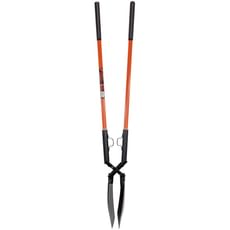
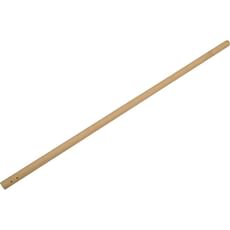
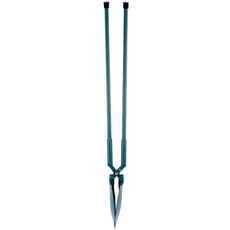
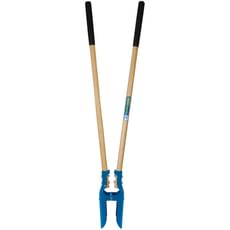
 Loading...
End of content
Error - No more pages to load
About Post Hole Diggers
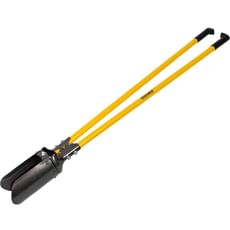
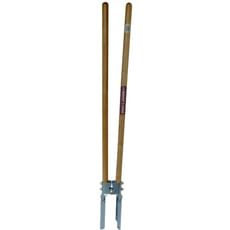
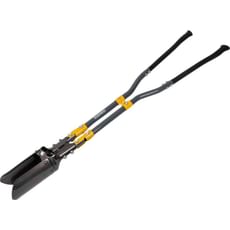
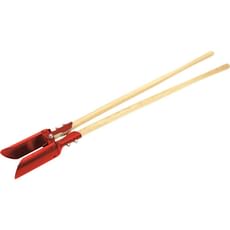
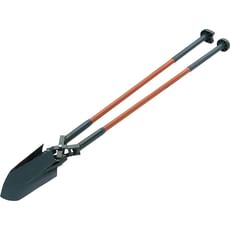
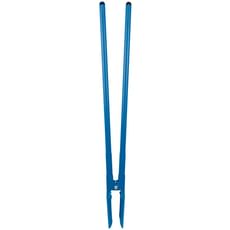
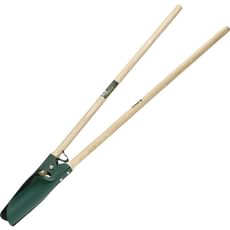
Post hole diggers are essential manual tools designed to create narrow, deep holes in the ground for fence posts, signposts, garden structures and other outdoor installations. Unlike spades or shovels, these specialist tools feature two long handles connected to sharp, curved blades that work in a clamshell action to extract soil efficiently from confined spaces. This design allows users to dig neat, cylindrical holes with minimal effort and ground disturbance, making them indispensable for fencing projects, landscaping work and agricultural applications across the UK.
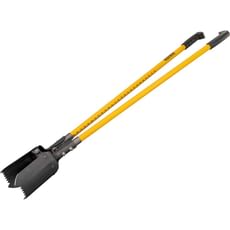
The selection at Tooled-Up.com includes manual post hole diggers from trusted brands such as Roughneck, Draper, Bulldog, Faithfull, and Spear and Jackson. These tools range from standard models suitable for light domestic use to heavy-duty professional versions with reinforced construction and serrated cutting edges for tackling compacted or stony ground. Many models feature insulated handles for improved comfort during extended use, while specialist designs like hercules pattern diggers offer enhanced leverage for challenging soil conditions.
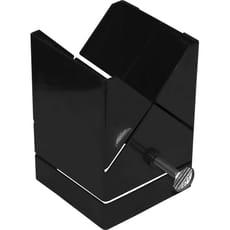
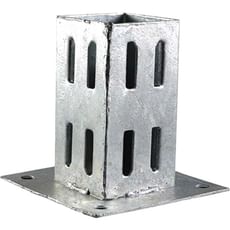
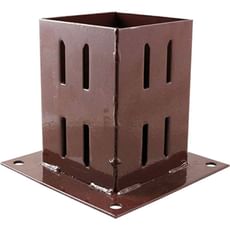
Complementing the manual diggers, Tooled-Up also stocks post hole accessories including bolt-down fence post shoes—galvanised steel brackets that eliminate the need for digging entirely on existing concrete surfaces. These time-saving solutions are ideal for patio fencing, decking supports, pergolas and carports where traditional post installation isn't practical. Replacement handles and post top shapers round out the range, ensuring tradespeople and DIY enthusiasts have everything needed for professional fence and post installation work.
Jargon Buster
- Clamshell Action: The scissor-like opening and closing motion of post hole digger blades that grips and removes soil from the hole with each squeeze of the handles.
- Hercules Pattern: A heavy-duty post hole digger design featuring reinforced blade construction and extended handles for greater leverage when working in hard or compacted ground conditions.
- Serrated Edge: Toothed cutting edges on digger blades that help break through tough soil, clay, roots and small stones more effectively than plain blades.
- Insulated Handles: Grips covered with cushioned material to reduce hand fatigue, absorb vibration and provide better comfort during prolonged digging sessions.
- Bolt-Down Fence Post Shoe: A galvanised steel bracket that fixes to existing concrete surfaces, holding fence posts securely without the need for digging holes or setting posts in concrete.
- Hot-Dipped Galvanised: A protective zinc coating process that provides maximum rust and corrosion resistance for metal components exposed to outdoor weather conditions.
Who Uses Post Hole Diggers?
- Fencing Contractors: Professional installers who erect agricultural, domestic and commercial fencing systems requiring precise post placement
- Landscapers and Groundworkers: Tradespeople creating garden features, installing pergolas, arbours and outdoor structures that need secure post foundations
- Agricultural Workers and Farmers: Those maintaining field boundaries, livestock enclosures and rural fencing across large land areas
- Groundskeepers and Estate Managers: Maintenance staff responsible for parks, sports grounds, council land and private estates
- Builders and General Contractors: Construction professionals installing site hoarding, temporary fencing and permanent boundary structures
- DIY Enthusiasts and Homeowners: Garden owners tackling fence repairs, installing garden gates, or building decking and outdoor living spaces
- Sign Installers: Specialists erecting roadside signage, directional posts and property markers requiring stable ground mounting
How to Choose the Right Post Hole Diggers
Blade Construction and Material: Look for hardened steel blades that resist bending and maintain their cutting edge. Heavy-duty models with reinforced blade joints withstand the lateral forces encountered in compacted soil and stony ground. Serrated edges provide additional cutting power when dealing with roots and clay.
Handle Length and Design: Longer handles (typically 1400-1500mm) provide greater leverage for deeper holes and reduce back strain by minimising bending. Insulated or cushioned grips improve comfort during extended use and reduce hand fatigue. Consider models with fibreglass handles for improved durability and reduced weight compared to traditional wood.
Blade Size and Capacity: Standard post hole diggers create holes approximately 100-150mm in diameter, suitable for most fence posts. The blade depth determines how much soil can be extracted with each action—deeper blades mean fewer movements but require more clearance when lifting soil from the hole.
Soil Type and Conditions: Assess your typical working environment. Light, sandy soils suit standard models, whilst heavy clay or compacted ground demands heavy-duty construction with reinforced blades. For particularly challenging conditions, hercules pattern diggers offer maximum strength and leverage.
Frequency of Use: Occasional DIY projects can be tackled with budget-friendly models from brands like Draper or Faithfull. Professional contractors requiring daily use should invest in premium options from Roughneck or Spear and Jackson that offer superior durability and performance over thousands of holes.
Alternative Installation Methods: For concrete surfaces or situations where digging isn't practical, bolt-down fence post shoes available from Tooled-Up.com provide a fast, no-dig solution that eliminates the need for traditional post hole digging entirely.
Popular Accessories
- Replacement Handles: Spare wooden or fibreglass handles to extend tool life when original handles become damaged or worn
- Post Top Shapers: Tools for creating pointed ends on fence posts to facilitate driving and improve water run-off
- Bolt-Down Post Shoes: Galvanised or powder-coated brackets for mounting posts on existing concrete without digging
- Fencing Bars and Wrecking Bars: Leverage tools for removing old fence posts and breaking up compacted ground
- Spades and Mattocks: Complementary digging tools for clearing topsoil and widening holes when necessary
- Post Mix Concrete: Quick-setting cement for securing posts once holes are dug
- Spirit Levels and Post Levels: Ensuring posts are installed perfectly vertical
- Work Gloves: Heavy-duty protective gloves to prevent blisters and improve grip during manual digging
Safety Information
Manual Handling Considerations: Post hole digging involves repetitive movements and significant physical effort. Take regular breaks to avoid muscle strain and fatigue. Maintain proper posture by keeping your back straight and using leg muscles rather than twisting at the waist. The HSE recommends varying tasks throughout the day to reduce repetitive strain injuries.
Underground Services: Before digging any holes, always check for underground cables, pipes and services. Contact your local utility providers or use cable detection equipment. Striking buried electrical cables, gas pipes or water mains can result in serious injury, service disruption and costly repairs.
Tool Inspection: Check post hole diggers before each use for loose handles, cracked joints or damaged blades. Worn or damaged tools are more likely to fail during use, potentially causing injury. Keep blades sharp—dull edges require more force and are more likely to slip.
Personal Protective Equipment: Wear steel toe-capped boots to protect feet from dropped tools or if the digger slips. Use quality work gloves to prevent blisters and improve grip. Safety glasses protect eyes from flying soil particles, particularly in dry or stony conditions.
Frequently Asked Questions
What depth of hole can I dig with a manual post hole digger?
Most manual post hole diggers can create holes between 600-900mm deep, which is suitable for standard fence posts. For deeper holes, you may need to work in stages or consider hiring powered auger equipment. The general rule for fence posts is to bury one-third of the post length underground for stability.
How do I use a post hole digger in clay or rocky soil?
For heavy clay, water the ground thoroughly the day before to soften the soil. Choose a heavy-duty model with serrated blades for better cutting action. In rocky conditions, use a digging bar to loosen stones first, then remove them with the post hole digger. Hercules pattern diggers provide extra leverage for challenging ground conditions.
Can I avoid digging holes altogether for fence posts?
Yes, if you're installing posts on existing concrete surfaces such as patios or driveways, bolt-down fence post shoes provide a secure no-dig alternative. These galvanised brackets bolt directly to the concrete and hold posts firmly in place, saving considerable time and effort on suitable surfaces.
What's the difference between standard and insulated handle models?
Insulated handles feature cushioned grips that reduce hand fatigue during prolonged use and absorb shock when working in hard ground. They're particularly beneficial for professional contractors or larger projects involving multiple post holes. Standard wooden handles are adequate for occasional DIY use but may cause blisters during extended digging sessions.
How do I maintain my post hole digger?
Clean soil from blades after each use to prevent rust and corrosion. Store in a dry location and apply a light coating of oil to metal components. Check handle fixings regularly and tighten any loose bolts. Sharpen blade edges periodically with a file to maintain cutting efficiency. Replace damaged handles promptly to ensure safe operation.