

Post Rammers
Pay in 3 interest-free payments on purchases from £30-2000 with  . Learn more.
 Loading...
End of content
Error - No more pages to load
About Post Rammers
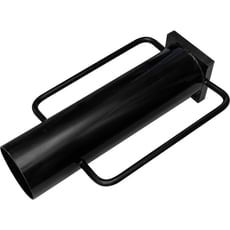
Post rammers are essential tools for driving wooden fence posts securely into the ground without causing damage or splitting. These robust implements feature a heavy tubular steel body with a wide ramming head that distributes impact force evenly across the top of the post, making them indispensable for anyone undertaking fencing projects, whether for boundary markers, agricultural enclosures, or garden landscaping. Unlike using a sledgehammer or mallet, which can split or damage post tops, a dedicated post rammer delivers controlled, vertical force that drives posts straight and true.
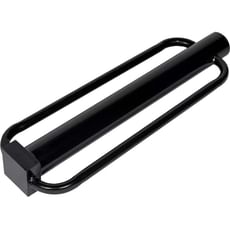
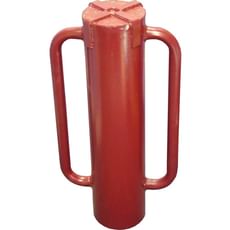
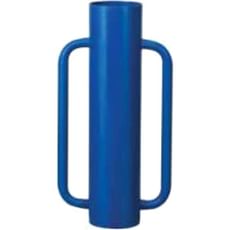
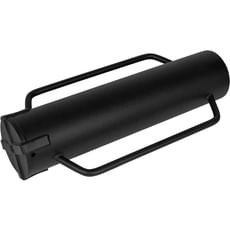
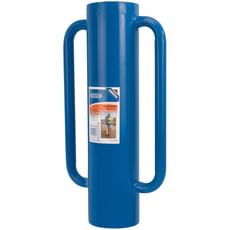
The selection at Tooled-Up.com ranges from manual steel post rammers to powered petrol-driven models, catering to both occasional DIY users and professional tradespeople. Manual post rammers typically consist of a cylindrical steel tube with handles mounted at chest height, allowing the user to lift and drop the tool repeatedly onto the post top. These tools commonly feature ramming heads between 150-165mm in diameter to accommodate standard fence post sizes, with overall lengths around 680mm and handle widths of approximately 520mm for comfortable two-handed operation.
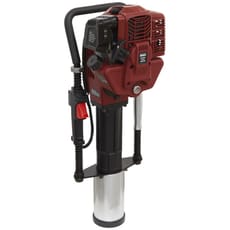
For larger commercial projects or harder ground conditions, petrol post drivers offer a powered alternative that significantly reduces physical effort and speeds up installation. Trusted brands including Roughneck, Faithfull, Draper, Sealey, and Sirius provide post rammers engineered for durability and effectiveness across various soil types and fencing applications. Whether installing timber posts for agricultural fencing, garden boundaries, or temporary site barriers, choosing the right post rammer ensures professional results with minimal post damage.
Jargon Buster
- Ramming Head: The wide cylindrical cap at the bottom of the tool that makes contact with the post top. Larger diameter heads (typically 150-165mm) distribute force more evenly and reduce the risk of splitting wooden posts.
- Tubular Steel Body: The main weighted shaft of the rammer, usually constructed from heavy-gauge steel tubing to provide sufficient mass for effective post driving whilst remaining manageable for repetitive lifting.
- Two-Stroke Petrol Post Driver: A motorised alternative to manual rammers featuring an internal combustion engine that delivers rapid, pneumatic hammering action, ideal for driving multiple posts or working with particularly hard ground.
- Post Splitting: Damage caused when excessive or uneven force cracks the top of a wooden fence post. Quality post rammers prevent this by providing flat, even contact across the entire post surface.
- Posthole Diameter: The width of the hole prepared for the fence post. The ramming head must be appropriately sized to fit inside or around the post being driven without catching on surrounding soil.
- Lifting Handles: Horizontal grips positioned at chest or shoulder height on manual rammers, allowing operators to lift and guide the tool vertically for consistent, controlled ramming action.
Who Uses Post Rammers?
- Fencing Contractors: Professionals installing agricultural, commercial, and residential fencing systems who require efficient, reliable post-driving equipment
- Landscape Gardeners: Tradespeople creating garden boundaries, decorative fencing, and timber structures where secure post installation is essential
- Agricultural Workers: Farmers and estate managers maintaining field boundaries, livestock enclosures, and paddock fencing across large rural properties
- Groundworkers: Site operatives installing temporary fencing, security barriers, and demarcation posts around construction sites and developments
- Estate Maintenance Teams: Property managers and grounds staff responsible for maintaining fencing, signage posts, and boundary markers on commercial or public land
- DIY Enthusiasts: Homeowners undertaking garden fencing projects, installing gate posts, or creating raised bed structures requiring secure timber posts
- Local Authorities: Council maintenance teams installing street furniture, bollards, and public pathway markers
- Equestrian Facilities: Stable yards and riding schools maintaining paddock fencing, arena boundaries, and secure field divisions
How to Choose the Right Post Rammers
Manual vs. Powered: Consider the scale of your project and frequency of use. Manual post rammers suit smaller domestic projects and occasional use, whilst petrol-driven models justify their higher cost for professional contractors handling multiple posts daily or working with particularly compacted soil.
Weight and Dimensions: Manual rammers typically weigh between 10-15kg. Heavier models deliver greater driving force but require more physical effort to lift repeatedly. Ensure the ramming head diameter matches your post sizes – most accommodate 100-150mm square or round posts. Handle height should allow comfortable operation without excessive bending or overreaching.
Build Quality: Look for thick-walled tubular steel construction with reinforced ramming heads and securely welded handle mountings. Quality post rammers from brands like Roughneck and Faithfull withstand years of repetitive impact without deformation or failure. Check for powder-coated or galvanised finishes that resist corrosion when stored outdoors.
Handle Design: Comfortable, ergonomically positioned handles reduce fatigue during extended use. Look for handles with adequate spacing (typically 500-550mm) for natural arm positioning and, ideally, cushioned grips that absorb vibration and prevent hand discomfort.
Ramming Head Profile: Flat-bottomed heads provide even contact across the post top, whilst slightly dished profiles help centre the tool automatically. Ensure the internal diameter comfortably accommodates your largest post size with a few millimetres clearance to prevent binding.
Soil Conditions: For clay, compacted, or stony ground, consider petrol post drivers available from Tooled-Up that deliver rapid, powerful blows reducing the physical effort required. Sandy or loamy soils generally respond well to standard manual rammers.
Popular Accessories
- Posthole Diggers and Augers: Essential for creating the initial holes before post driving, available in manual clamshell styles or powered petrol/240v electric auger versions for larger projects
- Spirit Levels and Post Levels: Specialist fence post levels that attach directly to posts ensuring they're driven perfectly vertical in multiple planes
- Fence Spikes and Post Supports: Metal spike bases providing alternative installation methods for softer ground or where concrete footings aren't required
- Protective Workwear: Heavy-duty work gloves, steel toe-capped boots, and high-visibility clothing for safe operation, especially on commercial sites
- Post Mix Concrete: Fast-setting concrete for securing posts once driven, providing additional stability in loose or sandy soils
- Measuring Tapes and String Lines: For accurate fence line layout and consistent post spacing before installation begins
- Two-Stroke Oil and Fuel: For maintaining petrol-powered post drivers, ensuring reliable engine performance throughout demanding projects
Safety Information
Post rammers, whilst relatively straightforward tools, demand respect due to their weight and repetitive lifting requirements. Always wear steel toe-capped safety boots to protect feet from dropped tools, and use quality work gloves to maintain secure grip and absorb vibration. Before commencing work, check for underground services including electricity cables, water pipes, and telecommunications lines – contact relevant utility companies if uncertain about buried infrastructure.
When using manual post rammers, maintain correct lifting technique with bent knees and straight back to avoid strain injuries. Take regular breaks to prevent muscle fatigue, which increases accident risk. Ensure the ramming head is properly centred on the post top before each strike to prevent the tool sliding off and causing injury. For petrol-driven models, only operate in well-ventilated areas due to exhaust emissions, wear appropriate hearing protection, and follow manufacturer servicing schedules to maintain safe operation.
Check the surrounding work area is clear of bystanders before use, as manual rammers can rebound unpredictably if they strike stones or hard ground. When working on construction sites, comply with HSE guidelines regarding PPE and risk assessments. Store post rammers securely after use to prevent them falling and causing injury, particularly important given their considerable weight.
Frequently Asked Questions
Can I use a post rammer on concrete fence posts?
Post rammers are designed specifically for wooden posts. Concrete posts require completely different installation methods, typically involving posthole digging and backfilling with concrete or hardcore. Using a post rammer on concrete posts would damage both the post and the tool.
How deep should I drive fence posts?
As a general rule, one-third of the total post length should be below ground. For a 1.8-metre high fence, use 2.4-metre posts with 600mm underground. Gateposts and corner posts may require greater depth for stability. Always check local building regulations for specific requirements.
What's better – a heavier or lighter post rammer?
Heavier rammers (13-15kg) deliver more driving force per strike, requiring fewer repetitions, but demand greater physical effort to lift. Lighter models (10-12kg) reduce fatigue during extended use but need more strikes per post. Match the weight to your physical capability and project scale.
Can I hire post rammers instead of buying?
Yes, tool hire centres stock post rammers for short-term projects. However, given their relatively modest cost compared to hire fees, purchasing makes economic sense for anyone undertaking more than occasional fencing work, and buying from Tooled-Up ensures you have equipment ready for future maintenance.
Do I still need to dig a posthole before using a post rammer?
For best results, dig a pilot hole approximately 300-400mm deep and slightly narrower than the post. This guides the post vertically and allows the rammer to drive it securely into undisturbed ground below. Attempting to drive posts into completely solid ground proves extremely difficult and may damage the post top.