

Power Fret Saw Blades
Pay in 3 interest-free payments on purchases from £30-2000 with  . Learn more.
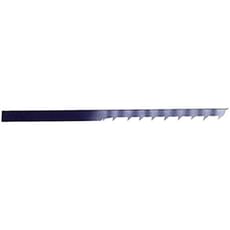
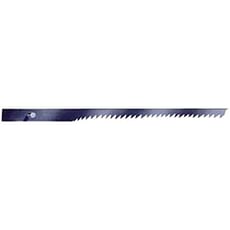
 Loading...
End of content
Error - No more pages to load
About Power Fret Saw Blades
Power fret saw blades are precision cutting consumables designed for use with electric fret saws, enabling intricate and detailed cuts in a variety of materials. Unlike hand fret saw blades, power fret saw blades are engineered to withstand the higher speeds and vibrations generated by 240v electric tools, making them ideal for both professional workshop use and demanding DIY projects. These blades are essential for creating curved cuts, internal shapes, and decorative patterns that would be impossible to achieve with standard saw blades.
The range at Tooled-Up includes both pin-end and plain-end fret saw blades, manufactured from hardened carbon steel for durability and longevity. Pin-end blades feature small pins at each end that lock into the saw's blade holders, making blade changes quick and straightforward—particularly useful when working on complex projects requiring frequent blade switching. Plain-end blades offer greater versatility, allowing you to thread the blade through pre-drilled pilot holes for internal cuts without needing an entry point from the material's edge. Whether you're cutting intricate patterns in wood, shaping plastics, or working with soft non-ferrous metals, selecting the correct blade specification ensures clean, accurate results.
Available from trusted brands including Draper and Faithfull, power fret saw blades are typically supplied in multi-blade packs, providing excellent value for tradespeople and hobbyists who regularly undertake detailed cutting work. The hardened steel teeth maintain their sharpness through extended use, whilst the carbon steel construction provides the necessary flexibility to navigate tight curves without snapping under the stress of powered operation.
Jargon Buster
- Pin-End Blades
- Fret saw blades with small cylindrical pins attached to each end that slot into corresponding holes in the saw's blade clamps, providing secure fixing and rapid blade changing without requiring tools.
- Plain-End Blades
- Blades without pins, secured by tightening the saw's blade clamps directly onto the flat blade ends. These can be threaded through pilot holes for internal cutting work.
- Teeth Per Inch (TPI)
- The number of cutting teeth along one inch of blade length. Higher TPI numbers produce finer, smoother cuts but cut more slowly, whilst lower TPI removes material faster but leaves a rougher finish.
- Set
- The outward bending of alternate teeth to either side of the blade, creating a cutting kerf wider than the blade thickness to prevent binding and overheating during operation.
- Hardened Teeth
- Teeth that have undergone heat treatment to increase hardness and wear resistance, significantly extending blade life when cutting harder materials.
Who Uses Power Fret Saw Blades?
- Cabinet Makers – creating decorative fretwork, curved components, and intricate joinery details in furniture production
- Carpenters and Joiners – cutting precise curves and internal shapes for architectural woodwork and bespoke installations
- Model Makers – producing accurate miniature components and detailed patterns in wood, plastic, and composite materials
- Sign Writers and Shopfitters – cutting lettering, logos, and decorative elements for commercial signage
- Musical Instrument Makers – shaping sound holes, decorative inlays, and precision components
- Craft Workers and Hobbyists – creating scroll work, intarsia, marquetry, and decorative wooden items
- Theatre and Set Designers – fabricating detailed props and scenic elements
- Jewellery Makers – cutting soft metals and plastics for costume jewellery and decorative pieces
How to Choose the Right Power Fret Saw Blades
Blade End Type: Determine whether your fret saw accepts pin-end or plain-end blades by checking the manufacturer's specifications. Pin-end blades offer convenience and speed for external cuts, whilst plain-end blades provide versatility for internal cutting work through pilot holes.
Material Compatibility: Match the blade specification to your workpiece material. Carbon steel blades with hardened teeth handle wood, plastics, and soft non-ferrous metals such as aluminium and brass. For harder materials or extended production runs, consider blades specifically rated for the material type you're cutting most frequently.
Tooth Configuration: Select TPI based on your finish requirements and material thickness. Finer teeth (higher TPI) produce smoother cuts in thin materials but cut more slowly, whilst coarser teeth (lower TPI) remove material faster but may leave a rougher edge requiring additional finishing.
Blade Length: Ensure replacement blades match the length specification for your particular fret saw model. Tooled-Up stocks blades compatible with popular brands including Draper fretsaws, but always verify compatibility with your specific tool before purchasing.
Pack Quantity: Consider purchasing multi-blade packs for better value, particularly if you regularly undertake fretwork projects. Blades are consumable items that can break during intricate cutting, so having spares readily available prevents project delays.
Popular Accessories
- Electric Fret Saws – 240v powered tools from brands including Draper for which these blades are designed
- Fret Saw Tables – specialised work surfaces with blade access slots for improved control and accuracy
- Dust Extraction Equipment – vacuum systems and dust collection attachments to maintain visibility and workspace cleanliness
- Blade Storage Cases – organised storage solutions to protect spare blades and keep different specifications separated
- Marking and Measuring Tools – precision squares, compasses, and templates for laying out intricate cutting patterns
- Workpiece Clamps – securing devices to stabilise materials during cutting operations
- Safety Equipment – dust masks, safety glasses, and hearing protection for personal safety
Safety Information
Always disconnect electric fret saws from the 240v mains supply before changing blades to eliminate the risk of accidental activation. Ensure blades are correctly installed with teeth pointing in the proper cutting direction and blade clamps are fully tightened before operation. Wear appropriate eye protection to guard against flying debris, and use dust extraction or respiratory protection when cutting materials that generate fine particles.
Inspect blades before fitting—damaged, bent, or excessively worn blades should be discarded as they may break during use, potentially causing injury. Never force the workpiece through the blade; allow the tool to cut at its own pace to prevent blade breakage and maintain control. Keep fingers and hands clear of the blade path, and use push sticks or guides when working with small components. Follow all manufacturer guidance provided with your specific fret saw model, and consult HSE guidance on safe operation of woodworking machinery where applicable.
Frequently Asked Questions
Can I use hand fret saw blades in a power fret saw?
No, hand fret saw blades are not designed to withstand the speeds and vibrations of powered tools. Always use blades specifically manufactured for electric fret saws to ensure safe operation and prevent blade failure.
How often should I change fret saw blades?
Replace blades when you notice reduced cutting efficiency, increased resistance, or rough cut edges. Blades may also break during intricate cutting work, particularly when navigating tight curves. Having spare blades available ensures minimal disruption to your project.
What's the difference between pin-end and plain-end blades?
Pin-end blades feature small pins at each end that quickly lock into compatible saws, making blade changes faster. Plain-end blades can be threaded through pre-drilled holes in your workpiece, allowing you to make internal cuts without an entry point from the material's edge.
Can power fret saw blades cut metal?
Yes, carbon steel fret saw blades can cut soft non-ferrous metals such as aluminium, brass, and copper. However, they are not suitable for ferrous metals (steel or iron) or harder alloys. Always ensure the blade specification matches your intended material.
How do I prevent blades from breaking during use?
Avoid forcing the workpiece through the blade—let the saw cut at its natural pace. Ensure blades are properly tensioned in the saw's clamps, use appropriate TPI for your material thickness, and don't attempt excessively tight curves that exceed the blade's flexibility. Regularly clearing sawdust from the cutting area also helps prevent binding.