

Power Inverters
Pay in 3 interest-free payments on purchases from £30-2000 with  . Learn more.

 Loading...
End of content
Error - No more pages to load
About Power Inverters
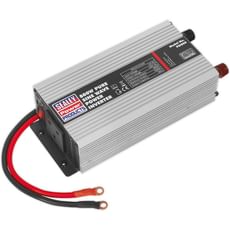
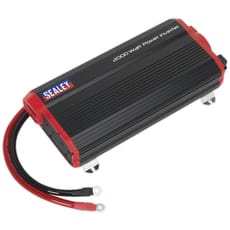
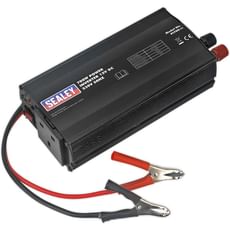
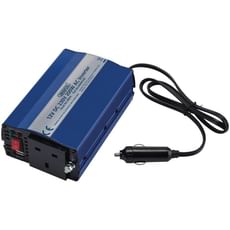
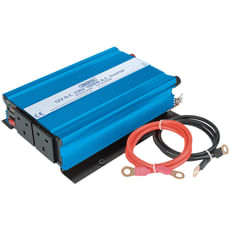
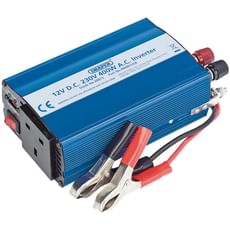
Power inverters are essential devices that convert 12v DC power from vehicle batteries or portable power sources into 240v AC mains electricity, enabling you to run standard household and professional equipment away from fixed mains supplies. These versatile units are invaluable for mobile workers, outdoor enthusiasts, and anyone requiring portable power solutions in locations without direct access to mains electricity.
The power inverter selection at Tooled-Up.com includes models from trusted brands such as Sealey and Draper, with capacities ranging from 200W to 1000W continuous power output. Available in both modified sine wave and pure sine wave configurations, these inverters feature practical additions including USB charging ports for mobile devices, multiple 240v socket outlets, LED power indicators, and integrated safety features such as reverse polarity protection, overload shutdown, and cooling fans to prevent overheating during extended use.
Whether you're powering tools on a remote construction site, running appliances in a caravan, charging equipment in a commercial vehicle, or providing emergency backup power, a quality power inverter transforms your vehicle into a mobile power station. Most units can be hard-wired into your 12v supply for permanent installation or connected via crocodile clips for temporary applications, making them adaptable to various professional and recreational requirements.
Jargon Buster
- Modified Sine Wave - A type of inverter output that approximates standard mains power using a stepped waveform. Suitable for most tools, lights, and basic appliances, but may not be compatible with sensitive electronics or equipment with electric motors.
- Pure Sine Wave - Premium inverter technology that produces a smooth waveform identical to mains electricity. Essential for sensitive equipment including laptops, medical devices, audio equipment, and appliances with variable speed motors or digital displays.
- Continuous Power Rating - The maximum wattage an inverter can deliver consistently over extended periods. Always select an inverter with continuous power rating exceeding your equipment's running wattage.
- Peak Power Rating - The maximum short-term wattage an inverter can handle, typically for 2-5 seconds during equipment startup. Many tools and appliances require 2-3 times their running wattage when starting, particularly those with motors or compressors.
- Reverse Polarity Protection - Safety feature that prevents damage if positive and negative battery connections are accidentally reversed during installation.
- DC to AC Conversion - The fundamental process where direct current (DC) from batteries is transformed into alternating current (AC) used by standard 240v mains-powered equipment.
Who Uses Power Inverters?
- Mobile Tradespeople - Electricians, plumbers, and builders requiring power tools at remote sites without mains electricity
- HGV and Delivery Drivers - Professional drivers needing to charge laptops, power fridges, or run small appliances during breaks
- Caravan and Motorhome Owners - Holiday makers and travellers powering domestic appliances whilst touring
- Marine and Boating Enthusiasts - Sailors and boat owners requiring 240v power for navigation equipment, lighting, and onboard appliances
- Event Managers and Outside Broadcast Teams - Professionals setting up temporary equipment installations for events, festivals, and productions
- Emergency Services and Rescue Personnel - First responders requiring portable power for medical equipment and communications
- Agricultural Workers and Farmers - Rural professionals working in fields and remote locations away from fixed power supplies
- Vehicle Conversion Specialists - Professionals converting vans and vehicles into mobile workshops or campers
- Off-Grid Workers - Foresters, conservationists, and outdoor workers requiring portable power solutions
How to Choose the Right Power Inverter
Calculate Your Power Requirements: Add up the wattage of all equipment you'll run simultaneously, then add 20-30% safety margin. Remember that items with motors or compressors may require 2-3 times their running wattage during startup. Check equipment nameplates or manuals for accurate power consumption figures.
Select the Appropriate Waveform: Modified sine wave inverters suit basic tools, lighting, and heating appliances, offering excellent value for straightforward applications. Pure sine wave models are necessary for sensitive electronics, variable speed tools, audio equipment, and appliances with digital displays or timers, though they command a higher price point.
Consider Installation Method: Determine whether you need permanent hard-wired installation or temporary connection via crocodile clips. Hard-wired installations provide more reliable connections for regular use, whilst clip-on connections offer flexibility for occasional applications across multiple vehicles.
Evaluate Additional Features: Tooled-Up stocks inverters with USB charging ports for mobile devices, multiple 240v outlets for running several appliances simultaneously, LED indicators for monitoring operation, and integrated cooling fans for sustained performance. Prioritise models with overload protection, low voltage shutdown, and thermal cutoff features for enhanced safety and equipment protection.
Check Your Battery Capacity: Ensure your vehicle or leisure battery has sufficient capacity to power your inverter without excessive discharge. As a guide, a 100Ah battery can supply approximately 100 watts continuously for 10 hours, though you should avoid discharging lead-acid batteries below 50% capacity to maintain battery health.
Plan for Ventilation: Inverters generate heat during operation and require adequate ventilation. Allow sufficient clearance around the unit and avoid installation in enclosed spaces without airflow, particularly important for higher-capacity models running near their maximum output.
Popular Accessories
- Heavy-Duty Battery Cables - High-quality cables with appropriate gauge for your inverter's current draw, ensuring efficient power transmission
- Inline Fuses and Fuse Holders - Essential safety components protecting your vehicle's electrical system from short circuits
- Battery Monitors and Voltage Meters - Digital displays showing battery voltage and state of charge to prevent over-discharge
- Extension Leads and Multi-Way Adaptors - Distributing 240v power from your inverter to multiple devices and locations
- Leisure Batteries and Battery Boxes - Deep-cycle batteries designed for regular discharge and recharge cycles, ideal for frequent inverter use
- Battery Isolator Switches - Convenient switches for disconnecting inverters when not in use, preventing parasitic drain
- Solar Panels and Charge Controllers - Renewable charging solutions for off-grid applications and extended remote operation
- Cigarette Lighter Adaptors - Connection accessories for smaller inverters used with vehicle accessory sockets
Safety Information
Power inverters draw substantial current from batteries and must be installed with appropriate electrical protection. Always fit a suitably rated fuse or circuit breaker between the battery and inverter, positioned as close to the battery as practical. Use cable gauge appropriate for the current draw – undersized cables create fire risks through excessive resistance and heat generation.
Never operate inverters in enclosed spaces without adequate ventilation, as they generate considerable heat during operation. Ensure sufficient clearance around all sides of the unit and avoid covering ventilation grilles. Switch off inverters when not required to prevent battery drain and unnecessary heat build-up.
Be mindful that inverters create a realistic 240v supply with identical hazards to mains electricity. Use appropriate RCD protection when operating power tools, particularly in damp conditions or outdoor environments. Ensure all connected equipment is in good condition with no damaged cables or plugs.
When connecting inverters to batteries, always verify correct polarity before energising the circuit. Whilst most modern inverters feature reverse polarity protection, incorrect connections can still cause arcing, sparks, and potential battery damage. Disconnect inverters from batteries during vehicle maintenance or when jump-starting to avoid voltage spikes damaging sensitive inverter electronics.
Monitor battery voltage during extended inverter use to prevent excessive discharge, which permanently damages batteries and reduces their lifespan. Lead-acid batteries should not be discharged below 50% capacity (approximately 12.2v), whilst lithium batteries tolerate deeper discharge but still benefit from conservative use.
Frequently Asked Questions
What size power inverter do I need to run my tools?
Calculate the total wattage of equipment you'll operate simultaneously, then add 25-30% as a safety margin. For tools with motors (drills, saws, grinders), multiply the running wattage by 2-3 to account for startup surge current. A 500W drill might require 1000-1500W peak capacity. Check your tool's nameplate or manual for accurate power consumption figures, and select an inverter with continuous power rating exceeding your total calculated requirement.
Can I run a power inverter from my vehicle's cigarette lighter socket?
Cigarette lighter sockets typically supply 10-15 amps maximum (120-180 watts), suitable only for very small inverters charging phones or running low-power devices. For anything beyond basic electronics, you'll need to connect directly to the battery using appropriate gauge cables. Most professional power inverters require hard-wiring or heavy-duty crocodile clip connections to handle their current draw safely.
What's the difference between modified and pure sine wave inverters?
Modified sine wave inverters produce a stepped approximation of mains power, suitable for basic resistive loads like lights, heaters, and simple power tools. Pure sine wave inverters generate smooth power identical to mains electricity, essential for sensitive electronics, equipment with variable speed motors, audio gear, and appliances with digital displays or timers. Pure sine wave models cost more but provide universal compatibility with all 240v equipment.
Will a power inverter drain my vehicle battery?
Inverters consume power even when idling (typically 0.5-2 amps), which will gradually discharge your battery if left connected. Always switch off or disconnect inverters when not in use, particularly if connected to your vehicle's starting battery. For regular use, consider installing a split-charge system with a dedicated leisure battery, preventing your starting battery from discharging and leaving you stranded.
How long can I run an inverter from a leisure battery?
Runtime depends on battery capacity (Amp-hours) and power consumption. As a rough guide, divide battery capacity by power consumption to estimate hours. A 100Ah battery supplying 100 watts theoretically provides 10 hours, but in practice, you should only discharge lead-acid batteries to 50% capacity (approximately 5 hours in this example). Actual runtime varies with battery condition, temperature, and inverter efficiency, which typically ranges from 85-95%.