

Power Tool Cases & Inlays

Pay in 3 interest-free payments on purchases from £20-£3000 with  . Learn more.
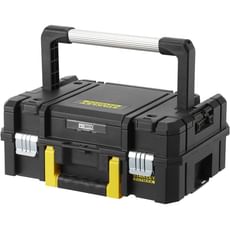
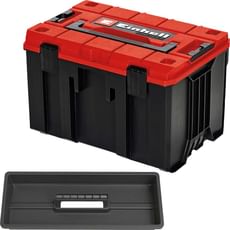

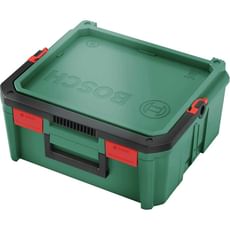
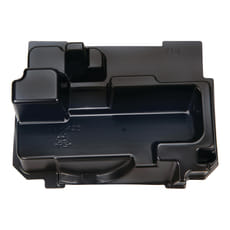

Loading...
End of content
Error - No more pages to load
About Power Tool Cases & Inlays
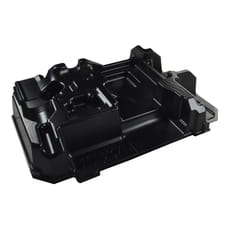
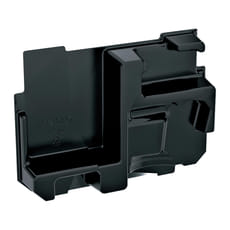
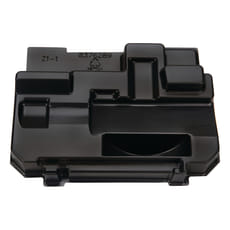
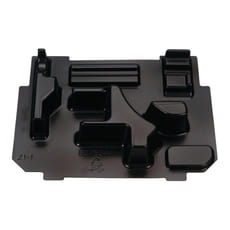
Power tool cases and inlays are essential storage solutions designed to protect, organise, and transport professional power tools safely. These purpose-built cases range from manufacturer-supplied hard cases with pre-cut foam inlays to universal storage systems that can accommodate multiple tools and accessories. Quality tool cases shield expensive equipment from dust, moisture, impact damage, and the rigours of site work, whilst foam inlays keep each component securely positioned to prevent movement during transit.
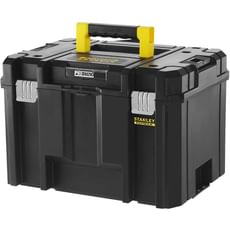
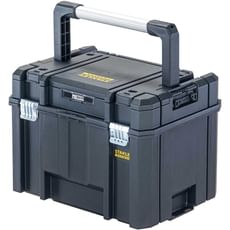
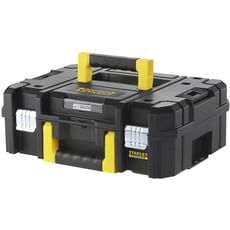
The selection at Tooled-Up.com includes dedicated cases for specific power tool models from leading brands such as Makita, DeWalt, Milwaukee, Bosch, and Festool, alongside replacement cases and customisable foam inlay solutions. Many modern power tool cases feature stackable designs compatible with modular storage systems like DeWalt TSTAK, Milwaukee PACKOUT, and Makita MakPac, allowing tradespeople to build comprehensive tool transportation systems tailored to their needs. These interlocking cases can be securely stacked and carried as a single unit, maximising van space and improving site efficiency.
Replacement foam inlays extend the lifespan of existing cases and enable users to reconfigure storage layouts as their tool collections evolve. Custom-cut inlays ensure each tool, battery, charger, and accessory has a designated space, making it immediately obvious if something is missing before leaving a job site. This level of organisation not only protects valuable investments but also saves time and reduces the frustration of searching through cluttered toolboxes.
Jargon Buster
- Kaizen Foam: A multi-layered foam system consisting of different coloured layers that can be easily cut to create custom tool inlays. Removing sections reveals contrasting colours underneath, creating a visual shadow board effect that highlights missing tools.
- EVA Foam: Ethylene-Vinyl Acetate foam commonly used in tool case inlays due to its excellent shock-absorption properties, chemical resistance, and durability. EVA foam maintains its shape over time and withstands the harsh conditions typical of construction sites.
- Stackable System: Modular storage solutions that allow multiple cases to securely connect and stack vertically, featuring compatible latches or connection points. Popular systems include Milwaukee PACKOUT, DeWalt TSTAK, and Makita MakPac.
- IP Rating: Ingress Protection rating indicating a case's resistance to dust and water penetration. For example, IP65 means complete dust protection and protection against water jets from any direction.
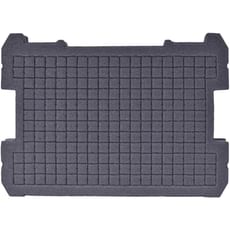
- Pick and Pluck Foam: Pre-scored foam consisting of small cubes that can be removed by hand to create custom-shaped cavities for tools without requiring cutting tools or templates.
- Systainer: A specific type of stackable case system developed by Tanos and used extensively by Festool, featuring precise interlocking mechanisms and modular organisation options.
Who Uses Power Tool Cases & Inlays?
- Electricians and sparkies working across multiple sites who need organised storage for drills, impact drivers, cable cutters, and testing equipment
- Carpenters and chippies transporting saws, routers, sanders, nailers, and associated accessories between jobs
- Plumbers and heating engineers requiring protected storage for pipe cutters, crimping tools, and specialist power tools
- General builders and contractors managing diverse tool collections across various trades and job sites
- Motor mechanics and vehicle technicians who need impact wrenches, grinders, and diagnostic equipment readily accessible
- Maintenance technicians working in commercial or industrial settings requiring portable, organised tool kits
- DIY enthusiasts seeking professional-grade storage solutions to protect home workshop investments
- Tool hire companies requiring durable cases that can withstand repeated handling and transport
- Mobile tradespeople operating from vans who need efficient space utilisation and quick tool access
How to Choose the Right Power Tool Cases & Inlays
Compatibility: Ensure any replacement case or inlay is specifically designed for your power tool model. Manufacturer part numbers should match exactly, as even tools within the same range may have different dimensions. For universal cases, carefully measure your tools and compare against internal case dimensions.
Protection Level: Consider the working environment and transportation methods. Site work in harsh conditions demands cases with high IP ratings, robust latches, and impact-resistant construction. Workshop-based tools may only require basic dust protection. Look for reinforced corners and heavy-duty hinges on cases subjected to frequent transport.
Storage System Integration: If you already use a modular storage system like DeWalt TSTAK or Milwaukee PACKOUT, choose compatible cases to maintain consistency. These systems offer significant advantages for van organisation and site mobility, but committing to one ecosystem provides the best long-term value.
Foam Type and Customisation: Pre-cut foam inlays offer perfect fits for specific tools but lack flexibility. Pick and pluck foam suits users who regularly change tool configurations, whilst Kaizen foam provides professional custom layouts with visual tool tracking. Consider how frequently you'll reconfigure your storage when selecting foam types.
Capacity and Future Expansion: Account for batteries, chargers, drill bits, saw blades, and other accessories when sizing cases. Tools at Tooled-Up often come as bare units, kits with batteries, or complete packages with multiple accessories—ensure your case choice accommodates your specific configuration with room for future additions.
Weight and Portability: Fully loaded tool cases become heavy quickly. Consider cases with integrated wheels for larger collections, comfortable handles for regular carrying, and balanced weight distribution. HSE manual handling guidelines recommend risk assessments for loads exceeding 25kg.
Popular Accessories
- Replacement foam sheets in various thicknesses for refreshing worn inlays or creating new configurations
- Case dividers and organisers for small parts, drill bits, and accessories within larger tool cases
- Stackable case connecting straps for securing multiple units during transport
- Shoulder straps and carry handles as ergonomic alternatives for case transportation
- Label systems and identification tags for quick case recognition in shared work environments
- Weather seals and gasket replacements to maintain water and dust resistance over time
- Padlocks and security hasps for additional theft protection on job sites
- Van racking systems designed to secure stackable case systems during vehicle movement
- Battery storage inserts for safely organising lithium-ion batteries within tool cases
Frequently Asked Questions
Can I buy replacement cases for tools purchased as bare units?
Yes, most major manufacturers sell cases separately, though they're often listed as spare parts rather than standard products. Tooled-Up stocks replacement cases for popular power tool models, and universal cases provide alternatives when manufacturer-specific options aren't available.
Are different brands' stackable systems compatible with each other?
Generally no—each manufacturer uses proprietary connection systems. DeWalt TSTAK, Milwaukee PACKOUT, Makita MakPac, and Festool Systainer cases won't directly interlock with each other. However, some third-party manufacturers produce adapters, though these may compromise stability.
How do I cut custom foam inlays without specialist equipment?
Sharp craft knives or electric carving knives work well for cutting foam inlays. Create a cardboard template of your tool's outline first, trace onto the foam, then cut slowly with multiple shallow passes rather than attempting to cut through in one go. Pick and pluck foam eliminates the need for cutting entirely.
Will power tool cases protect against airline baggage handling?
Standard power tool cases aren't typically certified for air transport. Airlines have specific regulations regarding lithium-ion batteries in checked luggage, and tools may require specialist flight cases meeting IATA standards. Always remove batteries and pack them in carry-on luggage according to airline guidelines.
How often should foam inlays be replaced?
Replace foam when it no longer securely holds tools in position, shows significant compression damage, or becomes contaminated with oils or chemicals that could damage tool finishes. Quality EVA foam typically lasts several years with regular professional use, whilst cheaper polyethylene foams may deteriorate more quickly.