

Preparation & Repair Products
Pay in 3 interest-free payments on purchases from £30-2000 with  . Learn more.
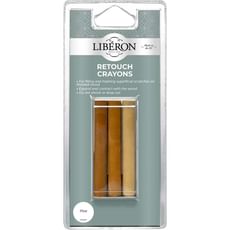
 Loading...
End of content
Error - No more pages to load
About Preparation & Repair Products
Preparation and repair products are essential solutions for protecting, restoring and maintaining wooden surfaces throughout their lifecycle. From treating fresh timber against rot and insect damage to repairing scratches, dents and water marks on finished wood, these specialised formulations help tradespeople and DIY enthusiasts achieve professional results. The range at Tooled-Up.com includes wood preservatives, knotting solutions, wood hardeners, repair sticks, touch-up crayons and surface restoration treatments from trusted brands including Ronseal, Liberon and Everbuild.
Whether preparing bare wood for finishing, treating existing rot damage, or restoring the appearance of aged furniture and joinery, having the right preparation and repair products ensures surfaces are properly protected and aesthetically pleasing. Wood preservatives penetrate deep into timber to prevent fungal decay and insect infestation, whilst knotting solutions seal resinous knots to prevent bleed-through on painted surfaces. For cosmetic repairs, wax sticks and retouch crayons allow quick colour-matched fixes to scratches and small imperfections without the need for complete refinishing.
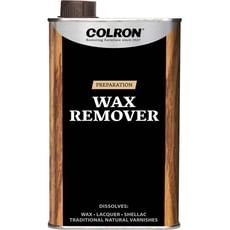
Modern preparation and repair formulations have evolved significantly, with many products now offering low-odour, water-based alternatives to traditional solvent-based treatments. Multi-action wood treatments combine preservatives, fungicides and insecticides in a single application, whilst wood hardeners chemically strengthen timber damaged by wet rot. Surface restoration products like wood revivers, wax removers and ring removers help rejuvenate tired finishes and remove common blemishes, extending the life of wooden furniture, flooring and joinery.
Jargon Buster
- Knotting Solution: A shellac-based sealer applied to knots in timber to prevent resin bleeding through paint or varnish finishes. Essential preparation before decorating softwoods like pine.
- Wood Hardener: A resin-based consolidant that penetrates and chemically hardens timber softened by wet rot, stabilising the structure before filling and refinishing.
- Wet Rot: Fungal decay occurring in wood with high moisture content (above 20%), causing timber to soften and darken. More common than dry rot and treatable with fungicidal preservatives and hardeners.
- Wood Preservative: Chemical treatment containing fungicides, insecticides and sometimes water repellents that protect timber against biological attack from rot, fungi and wood-boring insects.
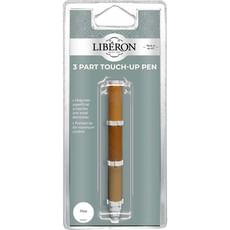
- Touch-Up Pen: Multi-compartment marker containing different wood stain shades that can be blended to match existing finishes for concealing minor scratches and chips.
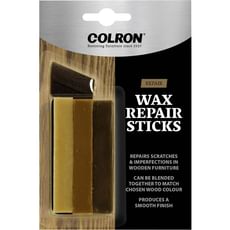
- Wax Stick: Solid wax crayon in various wood tones used to fill and colour-match small surface defects in finished wood, providing an instant cosmetic repair.
Who Uses Preparation & Repair Products?
- Carpenters and joiners preparing timber for installation and treating structural woodwork
- Furniture restorers repairing and rejuvenating antique and period pieces
- Kitchen fitters touching up damage to cabinets and worktops during installation
- Shopfitters maintaining and repairing wooden fixtures and fittings
- Painters and decorators preparing wooden surfaces before finishing
- Property maintenance professionals treating rot and repairing woodwork in residential and commercial buildings
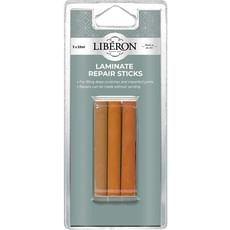
- Floor layers repairing scratches and dents in wooden and laminate flooring
- General builders treating structural timber and repairing joinery
- DIY enthusiasts maintaining and restoring wooden items around the home
- Landlords and property managers carrying out maintenance between tenancies
How to Choose the Right Preparation & Repair Products
Identify the substrate and condition: Different products suit different situations. For bare timber requiring protection, choose wood preservatives with appropriate coverage for interior or exterior use. For existing rot damage, wood hardeners stabilise softened timber before repair. For cosmetic issues on finished surfaces, select repair sticks, crayons or touch-up pens in matching colours.
Consider the environment: Interior products typically have lower odour and reduced solvent content suitable for occupied spaces, whilst exterior formulations contain additional weather-resistant properties and UV inhibitors. Check whether products are suitable for use on surfaces that contact food (worktops) or toys (children's furniture).
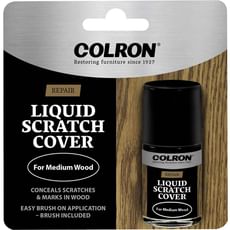
Match colours accurately: When selecting repair crayons, wax sticks or touch-up products, bring a sample or photograph of the wood finish to ensure the best colour match. Many manufacturers offer multiple shades that can be blended, and Tooled-Up stocks comprehensive colour ranges from specialist brands like Liberon and Ronseal Colron.
Check compatibility with finishes: Ensure preparation products are compatible with your intended final finish. Knotting solutions must be suitable under paint, varnish or lacquer, whilst wax removers and revivers should be appropriate for the existing surface coating without causing damage.
Assess coverage and application: Calculate the area requiring treatment and check manufacturer coverage rates. Consider application method – some preservatives are brush-applied whilst others work better by spraying or immersion. For repair products, ease of application and drying time affect convenience, especially on site work.
Popular Accessories
- Brushes and applicators suitable for preservatives and treatments
- Flexible filling knives for applying wood fillers after hardener treatment
- Abrasive papers and sanding blocks for surface preparation
- Clean lint-free cloths for applying revivers and removers
- Protective gloves suitable for chemical wood treatments
- Putty knives for smoothing wax stick repairs
- Wire brushes for removing loose or damaged timber before treatment
- Spirit levels and moisture meters for assessing timber condition
- Wood fillers and stoppers for larger repairs following hardener application
Safety Information
Many wood preservatives, treatments and repair products contain solvents, resins and biocides that require careful handling. Always read product labels and safety data sheets before use, and ensure adequate ventilation when working indoors with solvent-based formulations. Wear appropriate PPE including chemical-resistant gloves and eye protection when handling preservatives and wood hardeners. Some products are flammable – keep away from ignition sources and store according to manufacturer instructions.
When treating rot-damaged timber, identify and rectify the moisture source before applying treatments to prevent recurrence. Dispose of contaminated materials and empty containers according to COSHH regulations and local authority guidelines. Products containing biocides require careful storage away from children and pets, and should not be used on surfaces in direct contact with food unless specifically approved for such use.
Frequently Asked Questions
What's the difference between wet rot and dry rot?
Wet rot occurs in timber with high moisture content (above 20%) and stops spreading once the wood dries. Dry rot is more serious fungal decay that can spread through masonry and continue growing in drier conditions. Wet rot is far more common and treatable with standard wood hardeners and preservatives, whilst dry rot typically requires specialist treatment and often building regulation involvement.
Can I paint over knotting solution immediately?
Most knotting solutions dry within 30 minutes to 1 hour, after which you can apply primer and paint. However, check the specific product instructions as some formulations may require longer drying times, particularly in cold or humid conditions. Applying paint too soon can cause the knotting to remain tacky underneath.
How do I match wood repair sticks to my existing finish?
Test colours on an inconspicuous area first, as shades can appear different once applied and buffed. Many repair systems include multiple colours that can be blended together to achieve a closer match. Liberon and Ronseal Colron both offer extensive shade ranges covering common wood tones from light pine to dark walnut.
Are wood preservatives safe to use indoors?
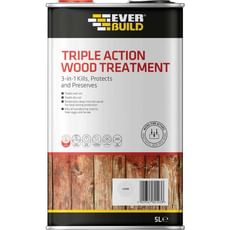
Modern interior wood preservatives are formulated with reduced solvent content and lower odour for safe indoor use with adequate ventilation. Products like the Everbuild Triple Action Wood Treatment offer low-odour formulations suitable for interior structural timber. Always check the product label for specific indoor/outdoor designation and follow ventilation recommendations.
Will wood hardener work on seriously damaged timber?
Wood hardeners work best on timber that retains some structural integrity but has softened due to wet rot. Very severely damaged wood that's completely broken down may need cutting out and replacing. Apply hardener generously to allow deep penetration, and once hardened, the treated area can be filled and finished normally. For structural members, consult building regulations regarding acceptable repair methods.