

Primer Paints
Pay in 3 interest-free payments on purchases from £30-2000 with  . Learn more.
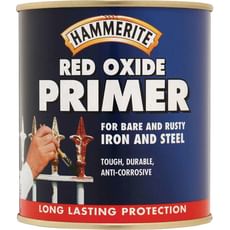
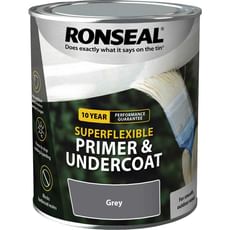
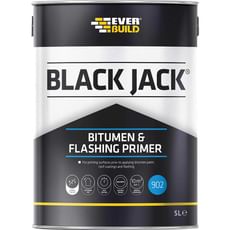
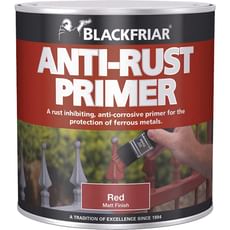
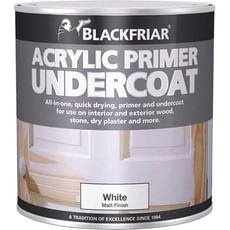
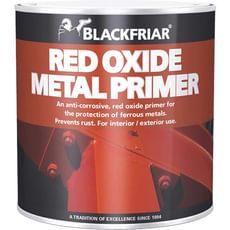
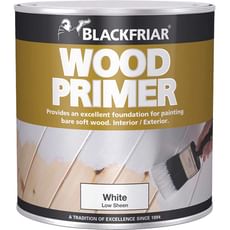
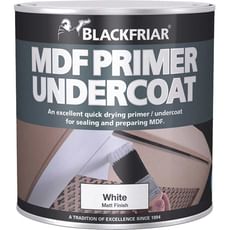
 Loading...
End of content
Error - No more pages to load
About Primer Paints
Primer paints form an essential foundation layer in professional and DIY decorating projects, providing the crucial bond between bare surfaces and topcoats. These specialised preparatory coatings seal porous materials, block stains, prevent rust, and create an even surface that ensures paint adheres properly and lasts longer. Without adequate priming, even the highest quality finish coats can fail prematurely through poor adhesion, moisture penetration, or tannin bleed-through from the substrate beneath.
The selection at Tooled-Up.com includes primers formulated for specific substrates and conditions, from traditional wood primers and metal anti-rust formulations to modern multi-surface products that work across different materials. Whether you're priming new MDF joinery, treating exterior hardwood prone to resin bleed, protecting metalwork from corrosion, or preparing previously painted surfaces for recoating, choosing the right primer significantly impacts the durability and appearance of the finished paintwork.
Specialist formulations address particular challenges: bitumen and flashing primers for waterproofing applications, damp-proof primers that seal moisture-affected surfaces, flexible primers for timber that moves with seasonal changes, and quick-drying acrylic options that accelerate project timescales. Professional-grade primers from brands including Blackfriar, Rust-Oleum, Ronseal, and Hammerite deliver reliable performance across interior and exterior applications, ensuring subsequent coats achieve their intended coverage, colour accuracy, and longevity.
Jargon Buster
- Adhesion Primer: A specialised primer designed to grip difficult non-porous surfaces such as tiles, glass, plastic, and glossy finishes, providing a key for subsequent paint layers to bond effectively.
- Bleed-Through: The migration of tannins, resins, or previous stains from the substrate through new paint layers, causing discolouration. Aluminium-based and stain-blocking primers prevent this problem on resinous woods and stained surfaces.
- Oxide Primer: A metal primer containing red or zinc oxide that provides corrosion protection for ferrous metals. Red oxide primer is the traditional rust-preventative basecoat for structural steelwork and ironwork.
- Primer Undercoat: A dual-purpose product combining priming and undercoating properties in one application, sealing the surface whilst building opacity and thickness before the final topcoat.
- Touch Dry vs Recoatable: Touch dry indicates when a primer surface no longer marks when lightly touched (typically 2-4 hours), whilst recoatable time shows when the next coat can be applied without compromising adhesion or finish (often 16-24 hours).
- Coverage Rate: The area a volume of primer will cover, typically expressed as square metres per litre per coat (m²/L/coat). Porous surfaces like bare plaster require more primer than sealed surfaces like previously painted wood.
Who Uses Primer Paints?
Primer paints are essential products for a wide range of professionals and DIY users:
- Painters and Decorators: Professional tradespeople preparing surfaces for residential and commercial painting contracts
- Joiners and Carpenters: Priming new timber, MDF, and joinery work before installation or finishing
- Maintenance Engineers: Protecting and preparing metalwork, pipework, and structural steelwork in industrial settings
- Shop Fitters: Preparing bespoke fixtures, shelving, and display units manufactured from various materials
- Property Renovators: Treating old, stained, or damaged surfaces before redecorating
- Facilities Managers: Maintaining commercial premises, schools, and public buildings
- Boat Builders and Marine Engineers: Priming metalwork and timber in harsh marine environments
- DIY Enthusiasts: Home improvers tackling decorating projects requiring proper surface preparation
- Roofers and Cladding Installers: Using flashing primers for waterproofing applications around roof details
How to Choose the Right Primer Paints
Selecting appropriate primer paint depends on several critical factors:
Substrate Material: Different surfaces require specific primer formulations. Wood primers suit bare timber, metal primers contain rust inhibitors, multi-surface primers work across various substrates, and specialised MDF primers seal highly porous manufactured boards. Identify your surface material before selecting a product.
Interior or Exterior Application: Exterior primers must withstand moisture, temperature fluctuations, and UV exposure, containing more durable resins and enhanced moisture resistance. Interior primers can be lighter formulations but may offer better stain-blocking or quick-drying properties for faster project completion.
Existing Condition: New, bare surfaces need primers that seal and provide adhesion. Previously painted surfaces may only require light priming or adhesion primers. Rusty metal needs anti-corrosive primers, whilst stained or tannin-rich timber requires aluminium-based stain-blocking formulations to prevent bleed-through.
Topcoat Compatibility: Ensure your primer works with your intended finish coat. Water-based acrylic primers suit water-based topcoats and offer quick drying times, whilst solvent-based primers provide traditional durability and better penetration on exterior hardwoods. Tooled-Up stocks primer-undercoat combinations that simplify the system.
Drying Times: Project timescales influence primer choice. Quick-drying acrylic primers become touch-dry in 2-4 hours with recoat times around 6 hours, accelerating multi-coat schedules. Traditional oil-based primers require longer curing but often provide superior penetration and durability on exterior joinery.
Coverage and Build: Check coverage rates (typically 10-14m²/litre) to calculate quantities required. High-build primers cover in fewer coats, whilst penetrating primers soak into porous surfaces, requiring additional applications but providing excellent adhesion.
Popular Accessories
Primer paint application and preparation benefits from these complementary products:
- Paint Brushes: Quality synthetic brushes for water-based primers and natural bristle brushes for solvent-based formulations
- Roller Frames and Sleeves: Medium-pile roller sleeves provide efficient coverage on flat surfaces and panels
- Paint Trays and Liners: Disposable liners simplify cleanup between different primer types
- Surface Preparation Tools: Wire brushes, scrapers, sandpaper, and abrasive pads for preparing substrates
- Stirring Sticks and Paddles: Ensuring pigments and binders are thoroughly mixed before application
- Masking Tape and Sheeting: Protecting adjacent surfaces during primer application
- White Spirit and Thinners: For cleaning brushes used with solvent-based primers
- Sanding Equipment: Orbital sanders and sanding blocks for keying surfaces and flatting between coats
- Dust Sheets and Protective Coverings: Protecting floors and furniture during preparation and priming work
- Paint Kettles and Pots: Decanting working quantities without contaminating the main tin
Safety Information
Primer paints contain chemicals requiring appropriate safety precautions:
Ventilation: Always work in well-ventilated areas, particularly when using solvent-based primers indoors. Open windows and doors to maintain airflow and prevent vapour accumulation. Consider extraction equipment for enclosed spaces or large-scale applications.
Personal Protective Equipment: Wear appropriate PPE including gloves to prevent skin contact, safety glasses to protect eyes from splashes, and respiratory protection when spraying or working with solvent-based products in confined areas. Disposable overalls protect clothing and skin.
COSHH Compliance: Familiarise yourself with product safety data sheets, particularly for professional applications. Some primers contain isocyanates or high VOC solvents requiring specific handling procedures and workplace exposure monitoring under COSHH regulations.
Fire Safety: Solvent-based primers are flammable. Store away from heat sources and naked flames, ensure adequate ventilation to prevent vapour accumulation, and dispose of solvent-soaked rags in sealed metal containers to prevent spontaneous combustion.
Skin Contact: Some primer ingredients can cause irritation or sensitisation. Wash splashes immediately with soap and water. Barrier creams provide additional protection, and seek medical advice if irritation persists.
Frequently Asked Questions
Do I really need primer, or can I just apply extra topcoats?
Primer is essential for proper paint system performance. Topcoats are formulated for durability and appearance, not substrate adhesion or sealing. Without primer, paint may peel, stains can bleed through, rust develops on metal, and porous surfaces absorb excessive topcoat, increasing costs. Two properly primed coats outperform four coats applied directly to bare surfaces.
Can one primer work on different materials like wood and metal?
Multi-surface or all-surface primers are formulated to bond with various substrates including wood, metal, plastic, and previously painted surfaces. Available from Tooled-Up, products like Ronseal One Coat All Surface Primer simplify projects involving mixed materials. However, specialist primers often provide superior performance for specific challenging applications like exterior hardwood or heavily corroded metalwork.
What's the difference between primer and undercoat?
Primer seals and bonds to the substrate, preventing absorption and ensuring adhesion. Undercoat builds thickness and opacity, providing a uniform base for topcoats. Primer-undercoat combination products perform both functions in one application, saving time on many projects whilst delivering adequate performance for most interior and light-duty exterior work.
How long must primer dry before applying topcoat?
Touch-dry times (when the surface doesn't mark) typically range from 2-4 hours for quick-drying acrylics to 6-8 hours for traditional formulations. However, recoat times (when you can apply topcoat without compromising adhesion) are longer—usually 16-24 hours. Applying topcoat too soon traps solvents, causing wrinkling, poor adhesion, or extended drying. Always check manufacturer specifications.
Why does primer sometimes look patchy or uneven?
Primers are formulated for adhesion and sealing rather than appearance. Patchy coverage, visible brush marks, or colour variation are normal and won't affect performance. The topcoat provides uniform colour and finish. However, if bare substrate shows through extensively, a second primer coat may be needed, particularly on porous surfaces like MDF or new plaster.