

Profiles
Pay in 3 interest-free payments on purchases from £30-2000 with  . Learn more.
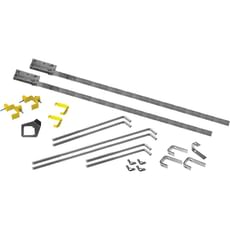
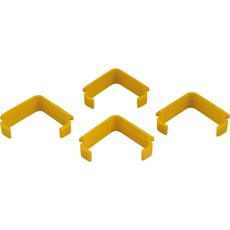
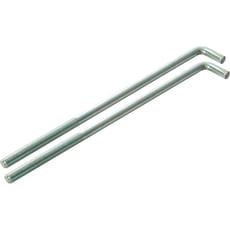
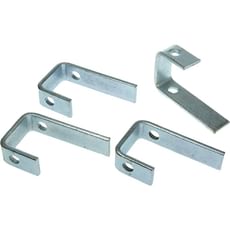
 Loading...
End of content
Error - No more pages to load
About Profiles
Building profiles are indispensable precision tools for professional bricklayers, builders, and construction tradespeople who need to establish perfectly straight lines and maintain consistent courses when constructing walls and masonry structures. Also known as external building profiles, corner profiles, or line profiles, these robust systems consist of metal or composite frames that attach securely to wall corners or ends, providing a reliable reference point for maintaining level, plumb, and aligned brickwork across extensive construction projects. Rather than relying on traditional corner blocks and string methods that require constant retying and adjustment, modern profile systems deliver superior accuracy and significantly faster setup times between courses.
A complete building profile system typically includes the main profile frames (commonly 2-metre height for residential work), line holders that grip string at precise heights, clamp brackets for secure attachment to brickwork, wing nuts for tool-free adjustment, and stabilisers that prevent movement during use. The taut string line stretched between profiles acts as an accurate guide for each course of bricks or blocks, ensuring walls remain perfectly straight, level, and aligned throughout the entire build. Tooled-Up.com stocks professional-grade profiles from established manufacturers like Faithfull, designed to withstand the rigours of UK construction sites whilst providing years of reliable service in all weather conditions.
Modern profile systems have evolved considerably from makeshift string-and-pin methods, offering enhanced durability, improved accuracy over longer distances, and greater versatility for different wall thicknesses and building materials. Whether working on residential extensions, commercial developments, boundary walls, or large-scale construction projects, quality building profiles enable tradespeople to achieve professional-standard results with improved efficiency and consistency compared to traditional corner-raising techniques.
Jargon Buster
- External Building Profile: A metal or composite frame system, typically 2 metres in length, that attaches to wall corners to hold string lines at precise heights, providing a straight and level reference guide for laying bricks or blocks in consistent horizontal courses.
- Line Holders: Adjustable components that grip and secure the building line or string at specific heights on the profile frame, allowing quick repositioning between courses without the need to retie knots or make complex adjustments.
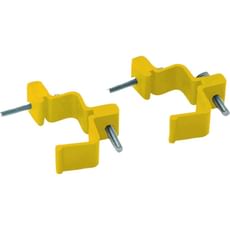
- Profile Clamp Bracket: A mechanical fastening device that attaches the profile frame securely to the corner of a wall, gripping onto laid brickwork or blockwork without causing damage whilst providing stable support throughout the build.
- Setting Device: A precision alignment tool used to position profiles accurately at wall corners, ensuring they're perfectly plumb (vertical) and correctly aligned before securing the clamp brackets and tensioning the line.
- Stabilisers: Additional support components that prevent profiles from moving, vibrating, or flexing during use, particularly essential when working on taller walls exceeding one metre or in exposed, windy site conditions.
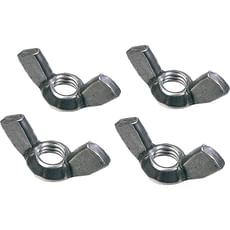
- Wing Nuts: Hand-tightened fasteners used throughout profile systems for quick adjustment and assembly without requiring spanners or other tools, enabling rapid setup, height adjustment, and repositioning between brick courses.
Who Uses Profiles?
Building profiles are valuable tools for a wide range of construction professionals and serious DIY enthusiasts:
- Bricklayers and Blocklayers: The primary users who rely on profiles daily for maintaining accurate courses and straight walls on residential, commercial, and industrial masonry projects throughout the UK.
- General Builders and Construction Contractors: For coordinating brickwork teams, ensuring quality standards across multiple builds, and maintaining consistency on extensions and new-build developments.
- Groundworkers and Foundation Specialists: When constructing retaining walls, boundary walls, and foundation walls that require precision alignment and consistent course heights.
- Stonemasons: Adapting profile systems for natural stone walling projects where maintaining consistent courses and straight lines is essential for structural integrity and aesthetic appearance.
- Self-Builders and Property Developers: Managing their own construction projects and requiring professional-standard accuracy for extensions, garages, outbuildings, and new-build properties.
- Serious DIY Enthusiasts: Tackling substantial garden walls, garage construction, or home extensions where quality results demand proper professional equipment rather than makeshift methods.
- Training Centres and Construction Colleges: Teaching proper bricklaying techniques to apprentices and students learning the trade, demonstrating modern methods alongside traditional skills.
How to Choose the Right Profiles
Profile Length and Height: Consider the maximum wall height you'll typically encounter on projects. Two-metre profiles suit most residential work including single and two-storey buildings, whilst taller commercial construction may benefit from extended systems. Longer profiles provide greater versatility but require more storage space in vans and careful handling on site to prevent bending.
Build Quality and Materials: Professional-grade profiles manufactured from hardened aluminium or steel-reinforced composite materials offer superior durability and maintain accuracy over thousands of uses across multiple projects. The selection at Tooled-Up includes profiles with corrosion-resistant finishes that withstand British weather conditions and harsh site environments. Whilst budget options may suffice for occasional DIY use, tradespeople working daily should invest in robust systems from reputable manufacturers like Faithfull that deliver reliability and longevity.
Complete System versus Individual Components: Starter kits provide all essential components including profile frames, line holders, clamp brackets, bolts, wing nuts, and stabilisers in one package, offering excellent value and ensuring compatibility between parts. However, experienced bricklayers often purchase additional accessories separately to customise systems for specific applications, replace worn components, or expand their setup for larger projects requiring multiple profile pairs.
Clamping and Adjustment Mechanisms: Quality clamp brackets should grip securely onto various wall thicknesses without damaging brickwork, whilst allowing quick repositioning between courses. Wing nut adjustments should operate smoothly even when hands are wet, dusty, or wearing gloves—a crucial consideration for site work in typical UK weather conditions.
Portability and Storage: Consider how profiles will be transported between sites and stored overnight or between projects. Compact designs with detachable components fit more easily in vans alongside other equipment, whilst integrated carrying handles facilitate movement around larger sites. Purpose-designed storage solutions protect components from damage during transit and keep complete systems organised.
Popular Accessories
- Replacement Building Line and Cord: High-visibility braided lines in fluorescent yellow or orange that remain taut and clearly visible in all lighting conditions, typically supplied in 50-metre or 100-metre reels for multiple setups.
- Spirit Levels and Laser Levels: Essential for setting profiles perfectly plumb and level before securing clamps, with boat levels ideal for checking horizontal alignment along lengthy walls and laser levels for larger commercial projects.
- Corner Blocks and Line Pins: Traditional alternatives or supplementary guides for shorter wall sections, internal corners, or situations where full profile systems aren't practical or necessary.
- Profile Storage Bags and Cases: Purpose-designed carry solutions that protect components during transport in vans, keep complete systems organised, and extend equipment lifespan by preventing damage.
- Measuring Tapes and Gauge Rods: For accurate course height measurement and maintaining consistent mortar joint thickness throughout the wall, ensuring professional-standard appearance and structural integrity.
- Bricklaying Trowels and Hand Tools: Quality bricklaying equipment from brands like Faithfull that work alongside profiles to achieve professional results with proper mortar application and joint finishing.
- Mortar Boards and Spot Boards: For keeping materials close at hand and maintaining efficient workflow when using profiles for extended wall runs.
Safety Information
Secure Installation: Always ensure profiles are firmly clamped and properly stabilised before tensioning building lines. Inadequately secured profiles can detach suddenly under tension, potentially causing injury or damage to surrounding work. Check stability regularly throughout the day, particularly on taller walls, in windy conditions, or when working on exposed sites common across the UK.
Manual Handling: Two-metre aluminium profiles, whilst relatively lightweight compared to other site equipment, still require careful handling to prevent muscle strain and injury. Follow HSE manual handling guidelines when lifting and positioning equipment, particularly when working at height or on uneven ground typical of construction sites.
Working at Height: When setting up profiles on upper courses above ground level, use appropriate access equipment such as scaffolding, mobile towers, or properly secured ladders rather than makeshift solutions. Ensure compliance with the Work at Height Regulations 2005 and use fall protection equipment where required by risk assessment.
Site Awareness and Coordination: Taut building lines stretched between profiles can present trip hazards to other trades working in the vicinity, particularly plasterers, electricians, or plumbers accessing the same area. Mark line positions clearly with high-visibility tape or barriers, and communicate with other site workers to prevent accidents during busy periods.
Weather Considerations: Strong winds can cause profiles to vibrate or move, affecting accuracy and potentially dislodging equipment. Use stabilisers in exposed conditions and consider postponing setup during severe weather when safety could be compromised.
Frequently Asked Questions
Can building profiles be used for blockwork as well as brickwork?
Absolutely. Quality profile systems accommodate various wall thicknesses and materials, making them equally effective for concrete blocks, lightweight insulation blocks, dense aggregate blocks, and traditional clay or concrete bricks. The adjustable clamp brackets grip different materials and dimensions securely, whilst line holders position at appropriate heights for varying course sizes, making profiles versatile tools for all types of masonry construction commonly encountered on UK building sites.
How do I maintain my building profiles to ensure longevity?
Clean profiles thoroughly after each use to remove mortar splashes, cement residue, and site debris, paying particular attention to moving parts like wing nuts, clamps, and line holder mechanisms. Store in a dry location away from moisture to prevent corrosion of metal components, and periodically lubricate adjustment mechanisms with light oil or silicone spray. Inspect for bent or damaged sections before each project, as even minor deformation affects accuracy and could compromise the quality of your brickwork.
What's the advantage of profiles over traditional corner blocks and string?
Profiles offer significantly faster setup between courses—simply move the line holders to the next height rather than retying string at each level, saving considerable time across a full day's work. They provide superior accuracy over longer wall distances, remain stable in typical British windy conditions with proper stabilisation, and eliminate the frustration of tangled, broken, or sagging strings. For professional bricklayers working on multiple projects, the time savings and improved consistency quickly justify the investment in a quality system from Tooled-Up.
Can I use building profiles on my own for a DIY garden wall project?
Yes, profiles are excellent tools for serious DIY projects, helping achieve professional-quality results even without extensive bricklaying experience. A complete 2-metre system provides everything needed for typical garden walls up to approximately 1.8 metres high, well within Building Regulations requirements for most domestic boundary walls. Combine profiles with a quality spirit level and gauge rod for best results, and consider practising setup on a small trial section first to familiarise yourself with the adjustment mechanisms.
Do I need stabilisers for every profile setup?
Stabilisers become increasingly important as wall height increases or when working in exposed, windy locations typical of many UK construction sites. For walls under one metre in height built in calm, sheltered conditions, profiles may remain sufficiently stable without additional support. However, for taller walls, external sites, or when working in exposed positions, stabilisers prevent vibration and movement that can compromise accuracy and result in inconsistent course heights, making them worthwhile additions to any professional system.