

Propane Heaters
Pay in 3 interest-free payments on purchases from £30-2000 with  . Learn more.

 Loading...
End of content
Error - No more pages to load
About Propane Heaters
Propane heaters offer powerful, portable heating solutions for workshops, construction sites, warehouses, and outdoor spaces where 240v electrical supply may be limited or unavailable. These gas-powered units deliver impressive heat output measured in BTU (British Thermal Units) or kilowatts, capable of warming substantial areas quickly and efficiently. Unlike electric heaters that depend on mains power, propane heaters connect directly to standard propane gas cylinders, making them ideal for remote locations, site work, and temporary heating requirements.
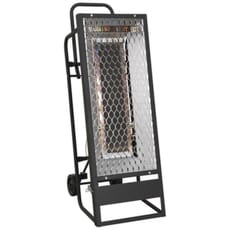
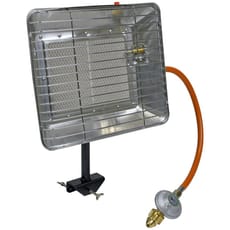
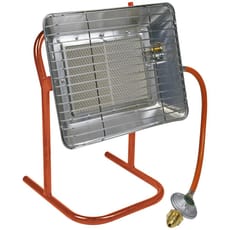
The selection at Tooled-Up.com includes both bottle-mounted models and freestanding space heaters from trusted brands including Sealey and Draper. Bottle-mounted designs clamp directly onto propane cylinders, offering maximum portability and compact storage, whilst industrial space heaters feature wheeled chassis for easy movement around larger work areas. Heat outputs range from modest 3kW units suitable for smaller workshops up to powerful 40kW+ models capable of heating warehouse-sized spaces. Many feature adjustable heat settings, safety shut-off valves, and ceramic plate or jet force technology for optimal heat distribution.
Propane heaters prove particularly valuable during winter months when maintaining comfortable working temperatures becomes essential for productivity and material handling. They're equally useful for drying out damp buildings, accelerating paint and plaster curing, and providing emergency heating when other systems fail. With instant ignition and no warm-up time required, these heaters deliver immediate results wherever temporary or supplementary heating is needed.
Jargon Buster
- BTU (British Thermal Units) - A measurement of heat output representing the energy needed to raise one pound of water by one degree Fahrenheit. Higher BTU ratings indicate greater heating capacity. Typical propane heaters range from 10,000 to 150,000 BTU.
- Ceramic Plates - Refractory ceramic elements that distribute heat evenly when heated by gas flames. Grade A ceramic plates offer durability and efficient radiant heat transfer, commonly found in bottle-mounted heaters.
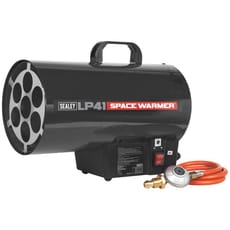
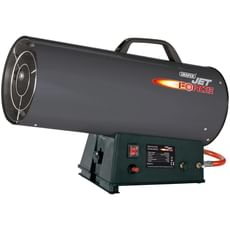
- Jet Force Technology - A forced-air heating system that combines propane combustion with a fan to project hot air across greater distances, ideal for rapidly heating larger spaces or directing warmth to specific work areas.
- Piezo Ignition - An electronic spark ignition system requiring no batteries or external power source. Simply press the button to generate a spark that lights the gas, providing reliable starting in all conditions.
- Flame Failure Device - A critical safety mechanism that automatically shuts off gas supply if the flame extinguishes unexpectedly, preventing dangerous gas accumulation in enclosed spaces.
- Regulator - A valve that controls gas pressure from the cylinder to the heater, ensuring consistent flame and heat output. Some heaters include integrated regulators whilst others require separate purchase.
Who Uses Propane Heaters?
- Builders and construction workers - heating site cabins, drying out new builds, maintaining workable temperatures for materials and tradespeople
- Groundworkers and civil engineers - providing warmth in temporary site offices and remote locations without electrical infrastructure
- Warehouse and logistics staff - supplementing heating in large storage facilities and loading bays
- Mechanics and vehicle technicians - warming workshops and garages, particularly useful in units with limited electrical capacity
- Painters and decorators - accelerating drying times for paint, plaster, and other finishes whilst maintaining optimal application temperatures
- Agricultural workers and farmers - heating barns, livestock areas, and machinery storage buildings
- Event organisers and marquee companies - providing temporary heating for outdoor events, exhibitions, and functions
- Plumbers and heating engineers - emergency heating during boiler repairs or system installations
- Landscapers and groundskeepers - outdoor heating for winter projects and frost protection
How to Choose the Right Propane Heaters
Heat Output and Coverage Area: Calculate your space volume and select a heater with appropriate BTU or kilowatt rating. As a general guide, you'll need approximately 40-50 BTU per cubic metre for adequately insulated spaces, more for draughty or poorly insulated areas. Manufacturers typically specify maximum coverage area in square metres to simplify selection.
Portability Requirements: Consider whether you need a lightweight bottle-mounted unit for frequent relocation or a wheeled industrial model for moving around larger fixed sites. Bottle-mounted heaters offer ultimate portability but lower heat outputs, whilst chassis-mounted models deliver greater power with easier site mobility via wheels and handles.
Heating Technology: Radiant ceramic plate heaters provide directional warmth ideal for heating people and objects directly, whilst jet force models with integrated fans distribute hot air throughout enclosed spaces more effectively. Radiant models operate silently, whereas fan-assisted units generate noise but heat spaces faster.
Safety Features: Prioritise models with flame failure devices, tip-over switches, and oxygen depletion sensors, especially when operating in enclosed or partially enclosed spaces. Look for units with protective guards around hot surfaces and stable bases to prevent accidental contact or tipping.
Fuel Efficiency and Runtime: Check gas consumption rates, typically measured in grams per hour or kg per hour. This determines how long a heater will run on a standard propane cylinder and helps calculate operational costs. Variable heat settings improve efficiency by allowing output adjustment to match heating requirements.
Compliance and Certification: Ensure heaters meet relevant British and European safety standards. Look for CE marking and compliance with gas safety regulations, particularly important for commercial and professional use where HSE requirements apply.
Popular Accessories
- Propane Gas Cylinders - Available in various sizes from portable 6kg bottles to larger 13kg and 19kg cylinders for extended runtime
- Gas Regulators and Hoses - Replacement or spare regulators with appropriate pressure ratings and compatible connection hoses
- Cylinder Trolleys - Wheeled carriers for safely transporting heavy gas bottles around sites
- Protective Covers - Weather-resistant storage covers to protect heaters from dust and moisture when not in use
- Gas Leak Detectors - Handheld sensors for checking connections and ensuring safe operation
- Replacement Ceramic Plates - Spare heating elements for maintaining optimal performance in radiant heaters
- Carbon Monoxide Detectors - Essential safety equipment when operating gas heaters in enclosed or poorly ventilated spaces
Safety Information
Ventilation: Always ensure adequate ventilation when operating propane heaters indoors. Gas combustion consumes oxygen and produces carbon monoxide, which can be dangerous in confined spaces. Maintain fresh air circulation and never use heaters in completely sealed environments or occupied sleeping areas.
Clearances: Maintain minimum clearance distances from combustible materials as specified by the manufacturer, typically at least 1 metre from walls, ceilings, and flammable objects. Never position heaters near fabrics, paper, wood, or other combustible materials.
Installation and Operation: Follow manufacturer instructions precisely for connecting gas cylinders, lighting procedures, and safe operation. Check all connections for leaks using soapy water before ignition. Never attempt repairs yourself—consult qualified gas engineers for servicing and maintenance.
Storage and Transport: Store propane cylinders upright in well-ventilated areas away from ignition sources. Transport heaters with gas supply disconnected and cylinders secured to prevent movement. Never store or transport pressurised cylinders in hot environments or vehicle boots without ventilation.
Emergency Procedures: Know the location of gas shut-off valves and understand emergency procedures. If you smell gas, extinguish the flame immediately, turn off the gas supply, ventilate the area, and do not operate electrical switches. Have fire extinguishers suitable for gas fires readily available on site.
Frequently Asked Questions
Can I use propane heaters indoors?
Yes, propane heaters can be used indoors provided there is adequate ventilation and the space meets manufacturer requirements. Ensure continuous fresh air supply, never use in sleeping areas or completely sealed rooms, and consider installing carbon monoxide detectors. Industrial spaces like workshops and warehouses are typically suitable, but always follow HSE guidelines for workplace heating.
How long will a propane heater run on a standard gas bottle?
Runtime depends on heat output and cylinder size. A 10kW heater consumes approximately 0.7-0.8kg of propane per hour, meaning a 13kg bottle provides roughly 16-18 hours at full power. Lower heat settings extend runtime considerably. Tooled-Up stocks heaters with variable controls for improved fuel efficiency and longer operation between cylinder changes.
What's the difference between radiant and jet force propane heaters?
Radiant heaters use ceramic plates to emit infrared heat that warms objects and people directly, similar to sunlight. They're quieter and ideal for outdoor or semi-outdoor use. Jet force heaters combine combustion with fans to blow hot air throughout enclosed spaces, heating the air itself more quickly but generating operational noise. Choose radiant for directional heating and jet force for warming entire enclosed areas.
Do I need a regulator for my propane heater?
Most propane heaters require a regulator to control gas pressure from the cylinder. Some models include integrated regulators, whilst others need separate purchase. Always check product specifications and use regulators with the correct pressure rating (typically 37mbar for most space heaters). Never operate heaters without proper gas regulation as this creates serious safety hazards.
Are propane heaters more economical than electric heaters?
Propane heaters generally offer lower running costs than equivalent 240v electric heaters, particularly for high-output heating. Propane provides approximately 14kW per kilogram, making it cost-effective for heating larger spaces. They also eliminate electrical installation costs and allow operation where power supply is limited or unavailable, making them economical choices for temporary and site-based heating requirements.