

Pry Bars
Pay in 3 interest-free payments on purchases from £30-2000 with  . Learn more.
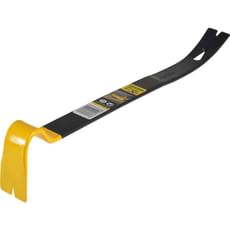
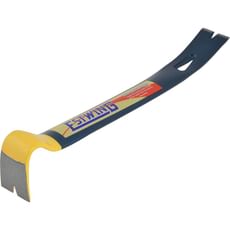
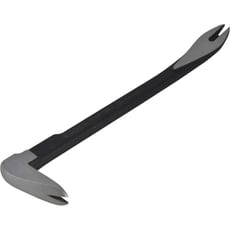

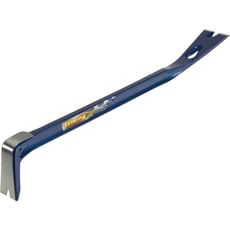
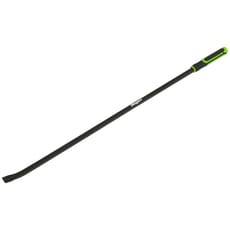
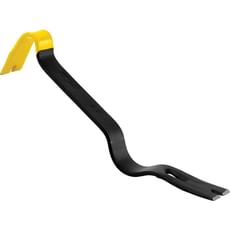
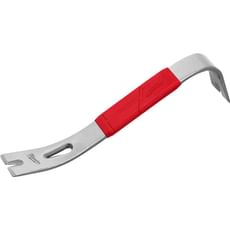
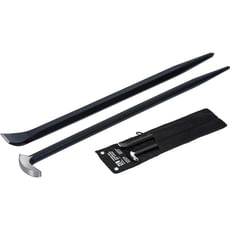

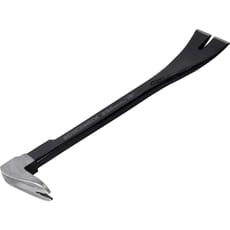
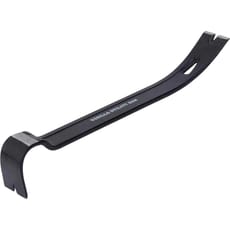
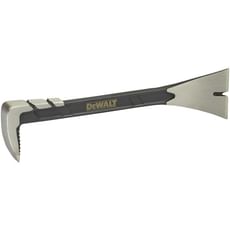
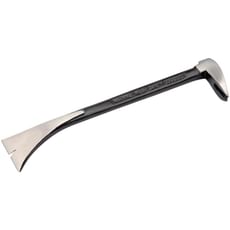
 Loading...
End of content
Error - No more pages to load
About Pry Bars
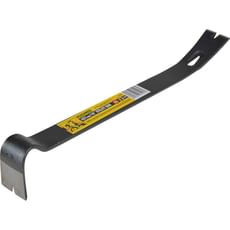
Pry bars are essential hand tools designed for levering, prying, demolition work, and extracting fixings from various surfaces. Also known as crowbars, wrecking bars, or jimmy bars, these versatile tools feature a flat, angled end that provides mechanical advantage for separating materials, removing nails, lifting floorboards, and dismantling structures. Available in various lengths from compact 250mm models for precision work to heavy-duty 900mm versions for serious demolition, pry bars are indispensable on building sites, renovation projects, and workshop applications across the UK.
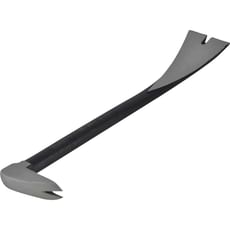
Modern pry bars come in several specialist configurations to suit different tasks. Flat pry bars excel at general levering and nail removal, whilst moulding bars feature tapered ends specifically designed to remove trim and skirting without damaging surrounding surfaces. Nail pullers incorporate claw designs optimised for extracting stubborn fixings, and rolling head pry bars provide multiple fulcrum points for controlled leverage. The selection at Tooled-Up.com includes models from trusted manufacturers such as Bahco, Draper, DeWalt, Milwaukee, Faithfull, and Roughneck, with options ranging from single tools to comprehensive multi-piece sets.
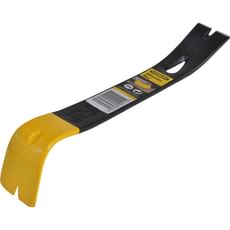
Quality pry bars are typically forged from high-carbon steel or chrome vanadium alloy for exceptional strength and durability. Many feature heat-treated ends to resist bending and mushrooming under heavy use, whilst soft-grip or rubberised handles improve comfort during extended operations and reduce hand fatigue. The bright finishes on certain models, such as Bahco's distinctive orange coating, make tools easy to locate on busy sites, whilst black oxide or powder-coated finishes provide corrosion resistance for longevity.
Jargon Buster
- Crowfoot End: A split, V-shaped tip designed for gripping nail heads and pulling fixings. The forked design provides superior purchase compared to flat ends when extracting stubborn nails and staples.
- Rolling Head: A curved design that allows the pry bar to rock on a surface, creating multiple leverage points without needing repositioning. Particularly useful for controlled dismantling where surface protection matters.
- Heel Bar: A specialised pry bar featuring a curved profile and wide, flat end designed specifically for lifting and positioning heavy materials like floorboards, decking, and paving slabs.
- Moulding Bar: A slender, precision pry bar with a thin, tapered profile engineered for removing decorative trim, skirting boards, and architraves without marking or damaging finished surfaces.
- Chrome Vanadium (Cr-V): A high-strength steel alloy commonly used in quality pry bars. Chrome vanadium offers excellent resistance to wear, impact, and bending whilst maintaining flexibility to prevent brittle fracture.
- Nail Slot: A feature incorporated into many pry bar tips, providing a secure channel for gripping nail shanks during extraction, preventing slippage and improving pulling efficiency.
Who Uses Pry Bars?
- Demolition contractors dismantling structures and removing fixtures
- Carpenters and joiners extracting nails, lifting floorboards, and removing trim
- Roofers removing battens, lifting tiles, and stripping old roofing materials
- Shop fitters dismantling shopfronts and removing fixtures during refurbishments
- General builders for diverse levering and prying tasks on construction sites
- Groundworkers lifting manhole covers, paving slabs, and formwork
- Maintenance teams accessing service panels and removing fixed components
- DIY enthusiasts tackling home renovation projects, kitchen fitting, and garden construction
- Scaffolders assembling and dismantling scaffolding components
- Decking installers positioning boards and removing damaged sections
How to Choose the Right Pry Bars
Length and Leverage: Consider the typical applications you'll encounter. Compact 250-300mm pry bars suit precision work in confined spaces and trim removal, whilst 450-600mm models provide balanced leverage for general site work. Heavy demolition demands 750-900mm wrecking bars that generate maximum force for separating structural elements.
End Configuration: Match the tool profile to your predominant tasks. Flat ends handle general levering and prying, crowfoot designs excel at nail extraction, whilst rolling heads provide controlled leverage for delicate dismantling. Tooled-Up stocks specialist options including moulding bars for decorative work and heel bars for lifting heavy materials.
Material Quality: Professional-grade pry bars manufactured from forged chrome vanadium or high-carbon steel withstand repeated heavy use without bending or breaking. Heat-treated tips resist mushrooming when struck with hammers, extending tool life considerably. Avoid cheaper pressed steel alternatives that may deform under load.
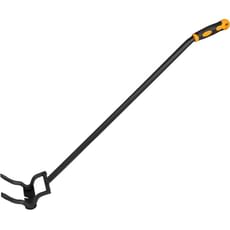
Handle Design: Soft-grip or bi-material handles significantly reduce hand fatigue during extended use and improve control in wet conditions. Consider whether a rubberised grip suits your working environment, or if a smooth steel handle better suits heavy striking applications where grip material might deteriorate.
Sets Versus Individual Tools: Multi-piece sets from brands like Draper and Sealey offer excellent value and versatility, providing various lengths and profiles to tackle diverse tasks. However, tradespeople with specific requirements may prefer investing in premium individual tools perfectly matched to their specialised applications.
Visibility and Storage: Brightly finished pry bars remain easily visible on cluttered sites, reducing losses. Consider how tools will be stored and transported—shorter models fit standard toolboxes, whilst longer wrecking bars may require dedicated van storage solutions.
Popular Accessories
- Claw Hammers and Framing Hammers: Complementary tools often used alongside pry bars for striking and nail extraction
- Lump Hammers: For driving pry bar tips into tight gaps during demolition work
- Protective Gloves: Heavy-duty work gloves prevent hand injuries when levering and handling materials
- Safety Glasses: Essential PPE protecting eyes from flying debris during prying and demolition
- Wedges and Shims: Used in conjunction with pry bars to maintain separation whilst repositioning leverage points
- Bolster Chisels: Work alongside pry bars for breaking materials and creating access points
- Tool Belts and Pouches: Keep compact pry bars accessible whilst working at height or in confined spaces
- Protective Packing: Cardboard, timber offcuts, or plastic sheets placed between pry bars and finished surfaces prevent damage
Safety Information
Personal Protective Equipment: Always wear safety glasses or goggles when using pry bars, as prying and levering actions can dislodge materials unpredictably, creating projectile hazards. Heavy-duty work gloves protect hands from splinters, sharp edges, and pinch points, whilst steel toe-capped boots guard against dropped materials and tools.
Correct Technique: Position your body to one side of the pry bar rather than directly behind it—if the tool slips or the material suddenly releases, you'll avoid injury. Apply steady, controlled force rather than jerking movements, which can cause loss of control. Never use pry bars as striking tools unless specifically designed for that purpose, and avoid using them near live electrical installations.
Tool Inspection: Examine pry bars before each use for signs of damage including bent shafts, mushroomed ends, or cracked handles. Damaged tools should be removed from service immediately, as they may fail catastrophically under load. When striking pry bars with hammers, ensure both tools are in sound condition to prevent dangerous fragmentation.
Work Environment: Ensure adequate lighting and stable footing when using pry bars, particularly during demolition work where surfaces may be unstable. Be aware of hidden hazards including electrical cables, gas pipes, and water services before prying into walls, floors, or ceilings. Follow HSE guidance regarding asbestos and hazardous materials when working on older buildings.
Frequently Asked Questions
What's the difference between a pry bar and a crowbar?
The terms are often used interchangeably, though traditionally crowbars refer to longer, heavier tools (typically 600mm+) with curved profiles designed primarily for demolition and heavy levering. Pry bars generally describe shorter, straighter tools (250-450mm) suited to precision work, nail pulling, and trim removal. Many modern tools blur these distinctions, serving multiple functions.
Can I use a pry bar as a chisel or striking tool?
Standard pry bars are designed for levering, not striking. Using them as chisels or hammering directly on the shaft can cause dangerous fractures or bending. However, some heavy-duty wrecking bars feature reinforced striking caps specifically designed to withstand hammer blows. Always check manufacturer specifications before striking any pry bar.
How do I prevent damaging surfaces when using a pry bar?
Place a scrap piece of timber, plastic, or metal between the pry bar and the surface to distribute pressure and prevent marking. Moulding bars with thin, tapered profiles minimise surface contact, making them ideal for removing trim and skirting. Work slowly with controlled movements rather than aggressive levering, and reposition frequently to spread the load.
What length pry bar should I choose for general building work?
A 450-600mm pry bar offers the best balance between leverage and manoeuvrability for typical construction and renovation tasks. This length provides sufficient force for most applications whilst remaining compact enough for confined spaces. Consider purchasing a set with multiple lengths available from Tooled-Up to handle diverse situations efficiently.
Are soft-grip handles worth the extra cost?
For regular professional use, absolutely. Soft-grip handles significantly reduce hand fatigue during extended operations and improve control, particularly in cold or wet conditions common on UK building sites. The enhanced comfort pays dividends over a working day. However, for occasional DIY use or applications involving heavy striking, traditional steel handles may prove more durable.