

Pull Saw Blades

Pay in 3 interest-free payments on purchases from £20-£3000 with  . Learn more.
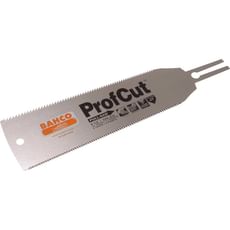
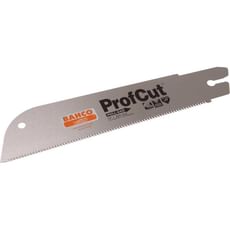
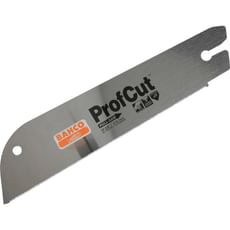
 Loading...
End of content
Error - No more pages to load
About Pull Saw Blades
Pull saw blades are specialist replacement components designed for Japanese-style pull saws, which cut on the pull stroke rather than the push stroke of traditional Western saws. These replacement blades allow tradespeople and woodworkers to maintain the exceptional performance of their pull saws without needing to purchase an entirely new tool. Pull saw blades typically feature hardened teeth with aggressive cutting angles, delivering clean, precise cuts through timber, plywood, laminate, and other materials commonly encountered in joinery and carpentry work.
The selection at Tooled-Up.com focuses on professional-grade replacement blades from trusted manufacturers like Bahco, ensuring compatibility with popular pull saw models. These blades are available in various tooth configurations, including fine, extra fine, and double-sided options, each suited to different cutting applications. Fine tooth blades excel at clean cross-cutting and detailed joinery work, whilst double-sided blades offer versatility by combining both rip and cross-cut teeth on a single blade.
Replacement pull saw blades represent an economical and sustainable approach to tool maintenance, extending the working life of quality pull saw handles whilst maintaining cutting performance. With blade lengths typically ranging from 240mm to 270mm and teeth per inch (TPI) configurations from 8.5 to 18.5, these replacements ensure your pull saw continues to deliver the precision cuts demanded by professional carpentry, furniture making, and fine woodworking applications.
Jargon Buster
- TPI (Teeth Per Inch): The number of cutting teeth within a one-inch length of blade. Higher TPI numbers (14-20) produce finer, smoother cuts ideal for finished work, whilst lower TPI (8-12) cuts faster through thicker material but leaves a coarser finish.
- Pull Stroke Cutting: The fundamental action of Japanese-style saws where the blade cuts as you pull it towards you, rather than pushing away. This design allows for thinner blades with less material waste and greater control during cutting.
- Impulse Hardened Teeth: A heat-treatment process that hardens only the teeth of the saw blade whilst leaving the body flexible. This creates long-lasting sharpness and durability without making the entire blade brittle.
- Cross-Cut Teeth: Tooth geometry designed specifically for cutting across the grain of timber, featuring angled cutting edges that slice through wood fibres cleanly without tearing.
- Rip Teeth: Tooth configuration optimised for cutting along the grain of wood, with chisel-like edges that remove material efficiently when cutting with the timber's natural direction.
- Blade Kerf: The width of the cut made by the saw blade. Pull saw blades typically have a narrow kerf, removing less material and requiring less effort to cut whilst producing minimal waste.
Who Uses Pull Saw Blades?
- Joiners and Carpenters: For precision cutting in cabinet making, door hanging, and trim work where clean cuts are essential
- Furniture Makers: Requiring fine, accurate cuts in hardwoods and veneered materials without splintering or tear-out
- Luthiers and Instrument Makers: Demanding exceptionally precise cuts in tonewoods and delicate components
- Timber Frame Builders: Using pull saws for marking out and detail work on traditional timber frame joints
- Kitchen and Bathroom Fitters: Needing clean cuts in worktops, laminate, and trim materials in confined spaces
- Model Makers and Hobbyists: Working with small-scale timber projects requiring precision and control
- Japanese Woodworking Enthusiasts: Practitioners of traditional Japanese joinery techniques relying on pull saw accuracy
- General DIY Enthusiasts: Home improvers appreciating the control and finish quality of pull saw cutting
How to Choose the Right Pull Saw Blades
Compatibility: The most critical factor is ensuring the replacement blade matches your specific pull saw model. Tooled-Up stocks Bahco ProfCut replacement blades designed for specific models like the PC-9, PC-11, and PC-12, so verify your saw model before purchasing to guarantee proper fitment.
Tooth Configuration: Select your TPI based on the material and finish quality required. Extra fine blades (18.5 TPI) excel at cutting veneered materials, laminates, and producing glass-smooth finishes on hardwoods. Fine blades (around 14 TPI) balance cutting speed with finish quality for general carpentry. Double-sided blades featuring both coarse (8.5 TPI) and fine (17 TPI) teeth provide maximum versatility for varied applications.
Blade Length: Common lengths include 240mm and 270mm, with longer blades allowing deeper cuts and faster progress through wider timber sections. Choose a blade length that matches your original saw and typical cutting depth requirements.
Material Application: Consider the primary materials you'll be cutting. Fine and extra fine blades suit hardwoods, plywoods, and laminates where clean edges matter. Coarser configurations work better for softwoods and dimensional timber where speed outweighs finish quality.
Professional vs DIY Use: Professional tradespeople working daily should invest in quality replacement blades from established brands like Bahco, which offer superior tooth hardness and longevity compared to budget alternatives that quickly lose their cutting edge.
Popular Accessories
- Pull Saw Handles: Replacement or additional handles for building a collection of dedicated saws with different blade configurations
- Saw Storage Solutions: Protective blade guards and saw rolls to prevent damage to fine teeth during transport and storage
- Japanese Waterstones: For maintaining other edged tools in your workshop to the same exacting standards as your pull saw
- Marking Knives and Gauges: Precision layout tools that complement the accuracy of pull saw cutting
- Bench Hooks and Mitre Boxes: Work-holding solutions that maximise control and accuracy when using pull saws
- Fine Woodworking Clamps: To secure workpieces firmly during precision pull saw operations
- Cabinet Scrapers: For final finishing work after pull saw cutting, particularly on hardwoods
Frequently Asked Questions
Can pull saw blades be sharpened when they become dull?
Pull saw blades feature impulse-hardened teeth that cannot be effectively sharpened with conventional files. The teeth are harder than standard files, and the complex tooth geometry makes hand sharpening impractical. When a pull saw blade loses its cutting edge, replacement is the most economical and practical solution, which is why replacement blades are readily available from Tooled-Up.
How long should a pull saw blade last before replacement?
Blade longevity depends on usage frequency, material hardness, and whether you encounter hidden nails or abrasive materials. Professional joiners might replace blades every few months with daily use, whilst DIY enthusiasts may get several years from a blade. Signs that replacement is needed include increased cutting effort, burning or binding during cuts, and visibly damaged or missing teeth.
Are double-sided or single-sided pull saw blades better?
Double-sided blades offer versatility by combining rip and cross-cut teeth on one blade, making them ideal for general carpentry where you encounter varied cutting tasks. Single-sided blades provide a safer option in confined spaces where the unused side of a double-sided blade might catch on materials, and they allow for more specialised tooth configurations optimised for specific applications.
Will Bahco replacement blades fit other brands of pull saws?
Replacement blades are typically manufacturer and model-specific due to variations in blade mounting systems, blade thickness, and handle compatibility. Bahco replacement blades are engineered specifically for Bahco ProfCut pull saw handles. Always verify compatibility with your specific saw model before purchasing to ensure proper fit and safe operation.
Why do pull saw blades cut on the pull stroke rather than the push stroke?
Pull stroke cutting places the blade in tension rather than compression, allowing manufacturers to use thinner blade material without buckling. This results in a narrower kerf (cutting width), less wasted material, reduced cutting effort, and greater precision. The pulling action also provides more natural control and visibility of the cutting line compared to pushing a traditional Western-style saw.