

Pull Saws
Pay in 3 interest-free payments on purchases from £30-2000 with  . Learn more.
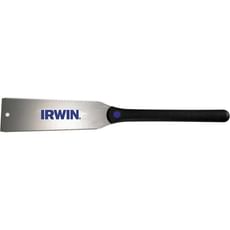
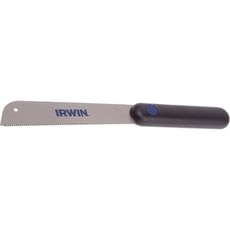
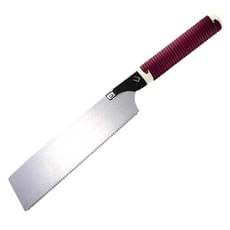
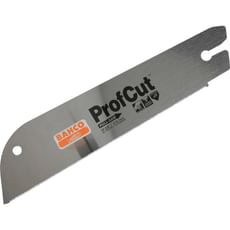
 Loading...
End of content
Error - No more pages to load
About Pull Saws
Pull saws represent a distinctive category of hand saw that cuts on the pull stroke rather than the push stroke, a design principle borrowed from traditional Japanese carpentry. This cutting action allows for a much thinner blade than conventional Western-style saws, resulting in narrower kerfs (the width of material removed during cutting), cleaner cuts, and significantly less effort required from the user. The pull saw range at Tooled-Up.com includes both traditional Japanese-style models and modern hybrid designs from manufacturers like Tajima, Bahco, Irwin, and Stanley, suitable for everything from fine dovetail joinery to general carpentry work.
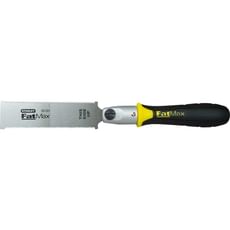
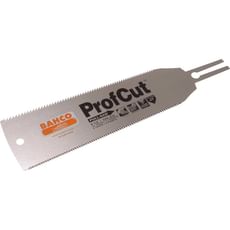
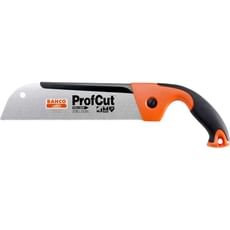
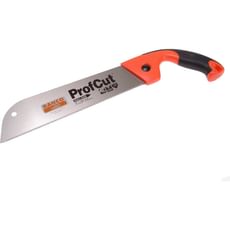
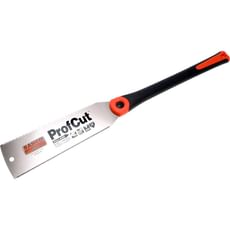
Available in single-sided and double-sided configurations, pull saws typically feature hardpoint teeth that maintain sharpness for extended periods without requiring sharpening. The thin, flexible blades excel at flush-cutting applications where the saw needs to cut flat against an adjacent surface without marking it. Popular models include the Tajima Japanese pull saws with their distinctive traditional rattan or modern elastomer handles, the Bahco ProfCut range with triple-edge tooth designs, and compact options like the Stanley FatMax Mini Flush Cut Pull Saw for detail work in confined spaces.
Modern pull saws combine exceptional cutting performance with ergonomic handle designs featuring two-component grips for comfort during extended use. Many models offer tooth configurations ranging from 8.5 TPI for faster, rougher cuts to 17 TPI for ultra-fine finish work. The selection at Tooled-Up includes specialist variants such as dovetail saws for precision joinery, folding models for portability, and 3-in-1 designs that adapt to multiple cutting applications.
Jargon Buster
- TPI (Teeth Per Inch) - The number of teeth within a one-inch measurement along the blade. Higher TPI numbers (14-20) produce finer, smoother cuts ideal for finish work, whilst lower TPI (8-10) cuts faster through material but leaves a rougher edge.
- Kerf - The width of material removed by the saw blade during cutting. Pull saws typically have narrow kerfs (0.90-1.2mm) compared to conventional saws, removing less material and requiring less cutting force.
- Hardpoint Teeth - Teeth that have been heat-treated or induction-hardened to maintain sharpness far longer than conventional teeth. These cannot be resharpened but provide excellent durability and consistent cutting performance throughout their working life.
- Flush Cutting - The ability to cut precisely level with an adjacent surface without the saw's spine or handle preventing the blade from lying flat. Essential for trimming dowels, plugs, or through-tenons without marking surrounding timber.
- Triple-Edge Tooth Design - A tooth geometry featuring three cutting edges per tooth, combining crosscut and rip-cut capabilities for efficient cutting in any grain direction without changing blades.
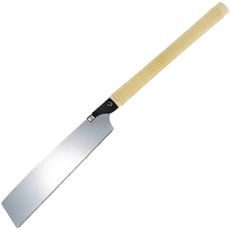
- Pistol Grip vs Straight Handle - Two main handle styles: pistol grips offer ergonomic hand positioning for controlled cuts, whilst straight handles (often rattan-wrapped on Japanese saws) provide traditional alignment and feedback favoured by fine woodworkers.
Who Uses Pull Saws?
- Carpenters and Joiners - For precise dovetail joints, flush-cutting dowels, and general carpentry work requiring clean, accurate cuts
- Cabinet Makers - Particularly for fine joinery, dovetails, and detailed trim work where conventional saws would be too aggressive
- Furniture Makers - For cutting delicate joinery and trimming timber components flush without surface damage
- Woodworkers and Hobbyists - DIY enthusiasts working on furniture projects, renovations, and craft woodworking
- Flooring Installers - For trimming architrave, door casings, and skirting boards when fitting laminate or solid wood floors
- Shopfitters - Precision cutting of display components, trim, and joinery in retail installations
- Luthiers and Instrument Makers - Fine cutting work requiring exceptional precision and minimal material removal
- Set Builders and Props Makers - Theatre and film professionals requiring quick, accurate cuts for temporary structures
- General Builders - For situations where power tools are impractical and hand-saw precision is required
How to Choose the Right Pull Saws
Blade Length and Teeth Configuration: Consider the typical scale of your work. Blades around 210-265mm suit most general carpentry, whilst compact flush-cut models around 150mm excel in confined spaces. For rough carpentry, choose 8.5-10 TPI; for joinery and fine work, opt for 14-17 TPI. Double-sided models with different TPI configurations on each edge offer versatility without carrying multiple saws.
Blade Thickness and Flexibility: Thinner blades (0.50-0.60mm) create narrower kerfs and require less effort but may flex more, making them ideal for flush-cutting and detail work. Slightly thicker blades (0.70-0.90mm) provide more rigidity for straighter cuts through thicker stock whilst still maintaining the pull-saw advantage over conventional Western saws.
Handle Style and Ergonomics: Pistol grip handles provide excellent control and reduce wrist strain during extended use, making them popular for professional applications. Traditional straight handles, particularly rattan-wrapped Japanese designs, offer better alignment feedback and are preferred by fine woodworkers. Two-component rubberised grips significantly improve comfort and reduce hand fatigue on busy sites.
Tooth Design: Japanese-style tooth geometry cuts exceptionally cleanly with minimal tear-out, ideal for visible joinery. Western-style triple-edge teeth found on brands like Bahco combine crosscut and rip-cut capabilities, making them more versatile for general carpentry where grain direction varies. Consider whether you need universal cutting or specialised performance.
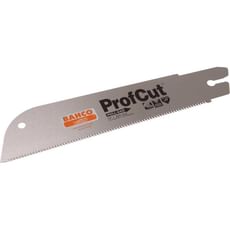
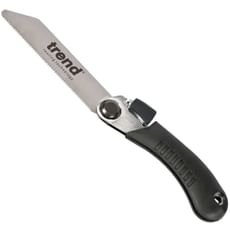
Blade Replaceability: Some pull saws, particularly Japanese designs from Tajima, feature replaceable blades extending the tool's working life economically. Fixed-blade models from Irwin and Stanley may be more robust for site work but require complete replacement when worn. Folding models like the Trend Folding Flush Cut Saw offer excellent portability for mobile tradespeople.
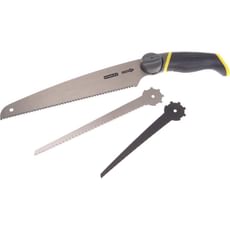
Application-Specific Features: Dovetail saws have shorter, finer blades specifically for precision joinery. Flush-cut saws have teeth ground with minimal or zero set, allowing cutting tight against surfaces. Three-in-one designs like the Stanley 3 in 1 Hand Saw adapt to multiple roles, reducing the number of tools required in your kit.
Popular Accessories
- Pull Saw Blades - Replacement blades for models with user-changeable blade systems, extending tool life economically
- Mitre Boxes and Saw Guides - Ensure accurate angle cuts when using pull saws for trim and moulding work
- Workbenches and Saw Horses - Stable work surfaces essential for achieving clean, accurate cuts
- Clamps and Vices - Secure workpieces firmly, particularly important given the pulling action of these saws
- Marking and Measuring Tools - Squares, marking knives, and gauges for precise layout before cutting
- Tool Rolls and Storage - Protect fine teeth during transport and storage, particularly important for site work
- Sharpening Stones and Honing Guides - For maintaining traditional non-hardpoint pull saws, though most modern models feature disposable hardpoint teeth
- Hand Planes - Complementary tools for smoothing surfaces after sawing
- Chisels - Work alongside pull saws for joint-cutting and timber preparation
Safety Information
Personal Protective Equipment: Always wear appropriate safety glasses or goggles when using pull saws, as the pulling action can occasionally cause dust and small particles to project towards the user. Work gloves may be appropriate for rough carpentry but can reduce grip sensitivity during fine work—assess based on application.
Blade Handling: Pull saw teeth are extremely sharp and remain so throughout their working life due to hardpoint technology. Exercise caution when handling, particularly with Japanese-style saws where teeth are often more aggressive. Store saws with blade guards or in protective sleeves when not in use to prevent accidental contact and protect the teeth.
Workpiece Security: The pulling action of these saws can move improperly secured workpieces towards you. Always clamp or vice materials firmly before cutting, ensuring the saw's exit path is clear. Position yourself so that if the blade binds or the workpiece moves, the saw travels away from your body.
Blade Condition: Regularly inspect blades for damaged or missing teeth, cracks, or excessive wear. Damaged blades can bind unexpectedly or break during use. Replace worn or damaged blades immediately—attempting to use compromised blades is false economy and creates genuine risk.
Working Position: Maintain stable footing and comfortable posture throughout cutting operations. The pulling motion can cause loss of balance if you're over-reaching or poorly positioned. Ensure adequate lighting to see cutting lines clearly and avoid errors that may require excessive correction cuts.
Frequently Asked Questions
Why do pull saws cut on the pull stroke rather than the push stroke?
Pull saws cut on the pull stroke because this action keeps the blade in tension during cutting, allowing manufacturers to use much thinner blades than push-stroke saws which must resist buckling forces. This results in narrower kerfs, less wasted material, cleaner cuts, and significantly reduced effort required from the user. The design originates from Japanese woodworking traditions where fine, precise work was prioritised.
Can pull saw blades be sharpened when they become dull?
Most modern pull saws available from Tooled-Up feature hardpoint teeth that cannot be resharpened but maintain their edge far longer than traditional teeth. Models with replaceable blade systems, particularly Japanese-style saws from manufacturers like Tajima, offer economical blade replacement when cutting performance eventually diminishes. Traditional non-hardpoint pull saws can be sharpened but require specialist files and considerable skill.
What's the difference between Japanese pull saws and Western-style pull saws?
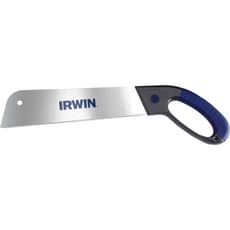
Japanese pull saws typically feature thinner blades with aggressive tooth geometry optimised for cutting across wood grain, often with distinctive rattan-wrapped handles. Western-style pull saws like those from Bahco and Irwin often incorporate hybrid designs with slightly thicker blades, triple-edge teeth for universal cutting, and ergonomic two-component handles. Japanese designs excel at fine joinery, whilst Western hybrids offer more versatility for general carpentry applications.
Are pull saws suitable for cutting materials other than wood?
Pull saws are designed and optimised specifically for timber cutting. Using them on materials like plastics, metals, or composite materials will rapidly dull or damage the teeth and may void warranties. For non-timber materials, select purpose-designed saws with appropriate tooth configurations and blade materials. The fine teeth on most pull saws would clog or break when used on inappropriate materials.
Do I need different pull saws for different types of cuts?
Whilst specialist pull saws exist for specific applications (dovetail saws for fine joinery, flush-cut models for trimming), many double-sided designs offer versatility with different TPI configurations on each edge. For general carpentry, a quality double-sided pull saw handles most requirements. Professional joiners often maintain several pull saws optimised for different tasks, but DIY enthusiasts typically find a single well-chosen model sufficient for most projects.