

Puncture Repair
Pay in 3 interest-free payments on purchases from £30-2000 with  . Learn more.

 Loading...
End of content
Error - No more pages to load
About Puncture Repair
Puncture repair products are essential tools for anyone who relies on vehicles, machinery or equipment with pneumatic tyres. Whether you're a professional tradesperson working on agricultural machinery, a mechanic servicing off-road vehicles, or a car owner wanting to be prepared for roadside emergencies, having reliable puncture repair solutions can save time, money and inconvenience. Modern puncture repair technology has evolved significantly, offering everything from traditional patch and plug kits to advanced emergency foam sealants that can get you back on the road in minutes.
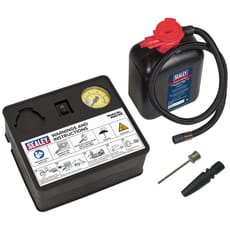
The puncture repair range at Tooled-Up.com includes comprehensive solutions for different vehicle types and puncture scenarios. From tubeless tyre repair kits designed for cars and light commercial vehicles to heavy-duty agricultural and off-road vehicle repair systems, the selection features products from trusted brands including Sealey, Draper and Handy. Whether you need a complete 12V tyre inflator and sealant kit for your van, replacement sealant refills for existing systems, or specialised rasp tools for preparing puncture sites, you'll find professional-grade solutions suitable for both emergency roadside repairs and workshop use.
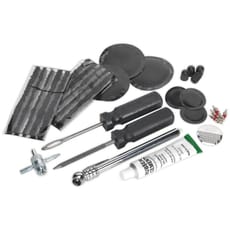
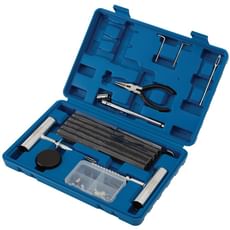
The products in this category cater to both temporary and more permanent repair solutions. Emergency tyre foam and sealant products provide quick fixes to get you to a garage safely, while traditional puncture repair strips and comprehensive kits with rasps and insertion tools allow for more thorough repairs. Many professionals keep multiple types of puncture repair products on hand, using quick-seal solutions for emergencies and proper repair kits for permanent fixes when time and conditions permit.
Jargon Buster
- Tubeless Tyre - A modern tyre design that doesn't require an inner tube, instead creating an airtight seal directly against the wheel rim. Tubeless tyres are standard on most modern vehicles and require specific repair techniques and products.
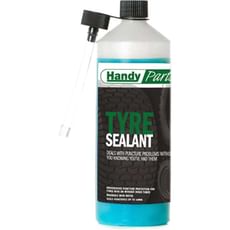
- Tyre Sealant - A liquid compound injected into a tyre that temporarily seals small punctures by coating the inside of the tyre and filling holes. Sealant typically contains latex or polymer-based materials that solidify when exposed to air escaping through a puncture.
- Puncture Repair Rasp - A specialised tool with abrasive cutting surfaces used to clean and roughen the inside of a puncture hole, creating a better surface for adhesive plugs or strips to bond properly. Available in different grades for various vehicle types.
- Repair Strips/Plugs - Rubber strips coated with adhesive that are inserted into cleaned puncture holes to create a permanent seal. These are pushed through the puncture from the outside and form a mushroom shape to prevent air loss.
- Off-Road Vehicle Repair - Puncture repair solutions specifically designed for agricultural machinery, construction equipment, ATVs and other vehicles with heavy-duty or specialist tyres that operate in challenging terrain with increased puncture risk.
- Emergency Foam Repair - Aerosol cans containing pressurised foam sealant that simultaneously inflates and seals a punctured tyre, providing a temporary repair solution to reach a garage without needing to change the wheel.
Who Uses Puncture Repair?
- Mobile Mechanics and Tyre Fitters - professionals providing roadside assistance and tyre repair services
- Agricultural Contractors and Farmers - maintaining tractors, harvesters and farm machinery operating in fields with sharp debris
- Plant Operators and Construction Workers - servicing earthmoving equipment, dumpers and site vehicles prone to punctures from building materials
- Fleet Maintenance Teams - keeping commercial vehicles, vans and company cars operational with minimal downtime
- Landscape Gardeners and Groundskeepers - repairing punctures on ride-on mowers, utility vehicles and small tractors
- Motor Vehicle Technicians - workshop-based mechanics performing tyre repairs as part of general vehicle servicing
- Breakdown Recovery Operators - providing emergency roadside puncture repairs to stranded motorists
- DIY Enthusiasts and Motorists - keeping emergency repair kits in vehicles for self-sufficiency during breakdowns
- ATV and Off-Road Vehicle Owners - maintaining quad bikes, 4x4s and recreational vehicles used in rough terrain
How to Choose the Right Puncture Repair
Consider Your Vehicle Type: Different vehicles require different repair solutions. Cars and light commercial vehicles typically use standard tubeless repair kits, while agricultural and off-road vehicles may need heavy-duty strips and specialist tools capable of handling larger punctures in thicker tyres. Check that any repair kit specifically mentions compatibility with your vehicle type.
Emergency vs Permanent Repair: Decide whether you need a quick temporary solution or a more permanent repair capability. Emergency foam sealants and tyre inflator kits are ideal for roadside emergencies, getting you to a garage safely without changing a wheel. Traditional repair strips and plug kits provide more permanent repairs but require more time, skill and often removal of the tyre from the rim.
Complete Kit vs Individual Components: First-time buyers should consider comprehensive kits that include all necessary tools - rasps, insertion tools, strips, adhesive and sometimes even a 12V inflator. Professional mechanics and experienced users may prefer to purchase individual components or replacement supplies for existing tool sets, which offers better value when you already have the basic tools.
Power Source for Inflators: If choosing a repair kit with an inflator, check the power source compatibility. Most operate from a vehicle's 12V cigarette lighter socket, which is convenient for roadside use. Verify the cable length is sufficient to reach all tyres on your vehicle, particularly rear tyres on larger vans or 4x4s.
Storage and Portability: Consider where you'll store the repair kit and how often you'll need to transport it. Compact emergency foam cans are ideal for keeping in a car boot without taking much space. Comprehensive repair kits in organised cases are better suited to workshop environments or professional mobile mechanics who need complete repair capabilities.
Refill Availability: For sealant-based systems, check that replacement cartridges or refills are readily available. Running out of sealant renders the inflator useless, so consider purchasing spare refills, especially if you're responsible for maintaining multiple vehicles or work in high-puncture-risk environments.
Popular Accessories
- 12V Tyre Inflators and Air Compressors - essential for re-inflating tyres after repair and checking pressures
- Tyre Pressure Gauges - accurate digital or analogue gauges for checking correct inflation after repairs
- Valve Core Tools - for removing and replacing valve cores when using certain sealant systems
- Tyre Levers and Bead Breakers - workshop tools for removing tyres from rims for internal repairs
- Replacement Sealant Refills - spare cartridges for emergency foam and sealant systems
- Puncture Detection Fluid - soapy solution for identifying the exact location of slow leaks
- Work Gloves - protective gloves to keep hands clean when handling tyres and sealants
- Emergency Roadside Kits - warning triangles, high-visibility vests and torches for safe roadside working
- Tool Storage Cases - organised storage solutions for keeping repair kits tidy in vehicles or workshops
Safety Information
Vehicle Stability: Always ensure your vehicle is on stable, level ground before attempting any puncture repair. Apply the handbrake, engage park or first gear, and use wheel chocks on the opposite wheels. Never work under a vehicle supported only by a jack when accessing tyres.
Tyre Pressure Hazards: Inflated tyres contain significant pressure and can cause injury if they fail explosively. Never over-inflate tyres beyond the manufacturer's recommended pressure, which is typically found on a placard inside the driver's door or in the vehicle handbook. When using repair strips or plugs, be aware that releasing remaining air pressure can cause debris ejection from the puncture hole.
Chemical Safety: Many tyre sealants contain chemicals that can irritate skin and eyes. Always read the product instructions and safety data sheets. Use in well-ventilated areas where possible, avoid breathing spray mist from aerosol products, and wash hands thoroughly after use. Keep sealants away from heat sources and store according to manufacturer guidelines.
Roadside Working: If performing repairs at the roadside, prioritise your safety and visibility to other road users. Wear a high-visibility vest, position warning triangles appropriately, and consider moving the vehicle to a safer location if possible. Be particularly cautious on motorways or busy roads - professional breakdown assistance may be the safer option in these situations.
Temporary Repair Limitations: Emergency foam sealants and quick-fix solutions are designed as temporary repairs only. They allow you to drive to a garage for proper assessment and permanent repair, but should not be considered long-term solutions. Most manufacturers recommend a maximum speed limit (often 50mph) and limited distance after using emergency repairs. Always have the tyre properly inspected and repaired or replaced by a professional as soon as possible.
Frequently Asked Questions
Can I repair any type of puncture with these products?
Most puncture repair products are designed for small to medium punctures in the tread area of the tyre, typically up to 6mm in diameter. Damage to the tyre sidewall, large tears, or multiple punctures close together usually cannot be safely repaired and require tyre replacement. Emergency sealants work best on punctures caused by nails, screws or similar objects. Always check the product specifications for the maximum repairable puncture size and consult a professional if in doubt about whether a tyre can be safely repaired.
How long does an emergency foam or sealant repair last?
Emergency tyre foam and sealant products are temporary solutions designed to get you safely to a garage, typically allowing 50-100 miles of driving at reduced speeds (usually 50mph maximum). These products are not permanent repairs and the tyre must be properly inspected, cleaned and either permanently repaired or replaced as soon as possible. The sealant can make subsequent permanent repairs more difficult and messy, so inform your tyre fitter that sealant has been used.
Do I need to remove the tyre to use a puncture repair kit?
It depends on the type of repair and product. Traditional patch repairs require tyre removal to access the inside surface. However, most modern repair strip and plug systems are designed for external application - you insert the strip from outside through the puncture hole without removing the tyre from the rim, making them much quicker and suitable for roadside repairs. Emergency foam sealants simply connect to the valve, requiring no tyre removal at all.
Are puncture repairs legal and safe for UK roads?
Yes, properly executed puncture repairs are legal and safe in the UK, provided they meet certain criteria. The puncture must be in the central three-quarters of the tread area (not the sidewall), be no larger than 6mm in diameter, and the repair must be carried out correctly using appropriate materials. The tyre must still meet legal minimum tread depth requirements (1.6mm across the central three-quarters of the tread). For MOT purposes, a properly repaired tyre should pass inspection, but poor repairs or sidewall damage will result in failure.
Can I use the same repair products for cars, vans and agricultural vehicles?
While the basic principles are similar, different vehicle types often require different repair products. Standard car repair kits are designed for smaller passenger vehicle tyres, while agricultural and off-road vehicle kits available from Tooled-Up use more robust strips and heavier-duty tools to handle the thicker rubber and larger punctures common in these applications. Van tyres fall somewhere between and may use either type depending on size and load rating. Always check the product description to ensure compatibility with your specific vehicle type for safe and effective repairs.