

Putty & Glazing Compounds

Pay in 3 interest-free payments on purchases from £20-£3000 with  . Learn more.
 Loading...
End of content
Error - No more pages to load
About Putty & Glazing Compounds
Putty and glazing compounds are essential materials for professional window installation, repair, and restoration work throughout the UK. These specialist products create weathertight seals between glass panes and window frames, preventing draughts, water ingress, and heat loss in both residential and commercial properties. Whether working on traditional timber sash windows in period buildings or carrying out modern glazing repairs, quality putty and glazing compounds ensure durable, professional results that stand up to Britain's unpredictable weather conditions.
Traditional linseed oil putty has been the glazier's material of choice for centuries, offering excellent adhesion to timber frames and a workable consistency that allows for smooth application and a professional finish. Modern butyl glazing compounds provide enhanced flexibility and weather resistance, remaining pliable throughout their lifetime to accommodate the natural movement of building materials through seasonal temperature changes. These advanced formulations work effectively on both timber and metal frames, making them versatile options for contemporary glazing projects.
The selection at Tooled-Up.com includes professional-grade putty and glazing compounds from trusted manufacturers like Everbuild, designed to meet the exacting standards of trade professionals and serious DIY enthusiasts across the UK. From traditional linseed oil putty for heritage restoration work to advanced butyl compounds for superior weather sealing, the range covers all window installation and repair requirements, ensuring you have the right product for every glazing application.
Jargon Buster
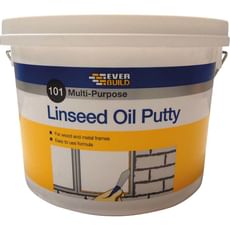
- Linseed Oil Putty: Traditional glazing putty manufactured from linseed oil and whiting (chalk powder), specifically formulated for use with timber window frames. It forms a paintable skin over time, typically within 7-14 days depending on weather conditions.
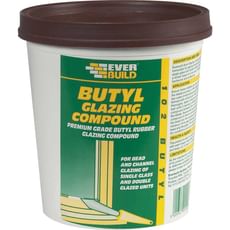
- Butyl Glazing Compound: A modern, non-hardening glazing compound based on polybutene polymers that remains permanently flexible. Ideal for accommodating frame movement and suitable for both timber and metal frames including aluminium and steel.
- Back Putty: The initial layer of putty applied to the rebate (recess) of the window frame before positioning the glass, providing a cushioned bed and creating the first line of defence against weather penetration.
- Face Putty: The putty applied over the glass after it's been secured with glazing sprigs or pins, forming the visible weatherproof seal that's typically finished at a 45-degree angle to shed rainwater effectively.
- Skinning Time: The period required for the surface of putty to form a protective skin that can accept primer and paint. Traditional linseed putty typically requires 7-14 days, whilst butyl compounds may need specialist primers or remain unpainted.
- Glazing Bead: The continuous line of putty applied between glass and frame, tooled to a smooth angle to create a weathertight seal and direct water away from the vulnerable joint between glass and timber or metal.
Who Uses Putty & Glazing Compounds?
- Glaziers: Specialist window fitters who regularly install and repair glazing in residential, commercial, and industrial properties across the UK
- Joiners and Carpenters: Tradespeople working on window manufacture, installation, and repairs, particularly in traditional timber joinery and bespoke window fabrication
- General Builders: Construction professionals carrying out renovation work, property repairs, and maintenance that includes window restoration and replacement
- Property Maintenance Contractors: Professionals maintaining housing stock, commercial premises, public buildings, and rental properties requiring regular glazing upkeep
- Heritage Restoration Specialists: Skilled craftspeople working on listed buildings and conservation projects where traditional materials and authentic techniques are essential
- Decorators and Painters: Tradespeople who frequently repair and re-putty windows as part of external redecoration work, ensuring weather-tight seals before painting
- DIY Enthusiasts: Homeowners undertaking window restoration projects, particularly on period properties with traditional timber sash or casement windows
- Landlords and Property Managers: Individuals responsible for maintaining rental properties and addressing glazing repairs to meet landlord safety obligations
How to Choose the Right Putty & Glazing Compounds
Frame Material: Your window frame type determines the appropriate product. Traditional linseed oil putty is specifically designed for timber frames where it adheres excellently and allows the wood to breathe naturally. Butyl glazing compounds offer greater versatility, working effectively on timber, steel, and aluminium frames, making them ideal for modern installations and metal-framed windows.
Application Type: Consider whether you're tackling new installations or repair work. Multi-purpose linseed oil putty suits general glazing work and standard repairs, whilst specialist formulations may be required for heritage restoration projects where authenticity and compliance with conservation requirements are paramount. Butyl compounds excel in demanding applications requiring long-term flexibility.
Weather Resistance: Britain's variable climate demands reliable weather sealing. Butyl compounds maintain consistent flexibility across all temperature ranges, making them ideal for exposed locations, coastal properties, or frames subject to significant thermal movement. Traditional linseed putty performs best in moderate conditions but may become brittle in severe cold or soften excessively during heat waves.
Painting Requirements: If you intend to paint the finished glazing, linseed oil putty is the natural choice as it forms a skin that readily accepts primer and topcoat after curing. Always observe the manufacturer's recommended skinning time—typically 7-14 days—before applying any paint system. Some modern butyl compounds aren't designed for painting and should be selected accordingly.
Project Scale and Quantity: Calculate your requirements based on project size. A standard 2kg tub of putty typically glazes 3-4 average-sized windows, whilst larger commercial projects or extensive restoration work benefit from bulk purchasing for better value and consistency. Ensure you have sufficient material to complete the job without mixing batches that might vary slightly in consistency.
Working Time and Ease of Use: Traditional putty can stiffen during application, particularly in cooler weather, and may require occasional kneading to maintain workability. Butyl compounds offer consistent workability throughout the application process, reducing waste and making them more user-friendly for less experienced glaziers or DIY enthusiasts tackling their first window repair project.
Popular Accessories
- Putty Knives: Flexible-bladed tools in various widths (25mm-100mm) for applying and smoothing putty to achieve a professional finish on different window sizes
- Glazing Sprigs and Pins: Small metal fasteners that secure glass firmly in the frame whilst the putty sets, available in different lengths for various frame depths
- Hacking Knives and Old Chisels: Specialised tools for removing old, hardened putty from window frames before re-glazing, essential for repair work
- Heat Guns: Variable temperature tools from manufacturers like DeWalt and Milwaukee for softening stubborn old putty, making removal easier without damaging glass or timber
- Glass Cutters: Diamond or carbide wheel cutters for cutting glass panes accurately to size for bespoke installations
- Linseed Oil: Used to condition traditional putty, restore workability to stiffened material, and prevent drying out during storage
- White Spirit: Solvent for cleaning tools, hands, and removing excess putty from glass surfaces after working with oil-based products
- Work Gloves and Safety Glasses: Essential PPE from brands like Portwest and Scruffs for safe handling of glass and protection during putty removal
- Primer and Exterior Paint: Weather-resistant coating systems for sealing and protecting cured putty from UV degradation and moisture penetration
Safety Information
When working with putty and glazing compounds, always read the manufacturer's safety data sheets and follow their guidance carefully. Traditional linseed oil putty requires particular attention during disposal—contaminated rags can generate heat as the oil oxidises, potentially leading to spontaneous combustion. Always dispose of oily rags safely by soaking them in water or storing in sealed metal containers away from combustible materials. Work in well-ventilated areas, particularly when using products containing solvents or volatile organic compounds.
Wear appropriate personal protective equipment including work gloves when handling glass and applying compounds. Safety glasses or goggles protect your eyes from splinters when removing old putty or cutting glass. If you're working professionally, ensure compliance with COSHH regulations and maintain proper records of product use and risk assessments. Store putty and glazing compounds away from heat sources and direct sunlight, and keep all products out of reach of children and pets.
When removing old putty, particularly from pre-1960s buildings, be aware that it may contain lead compounds. Take appropriate precautions including dust suppression measures, suitable respiratory protection, and proper disposal in accordance with HSE guidelines for working with lead-containing materials. If you're uncertain about lead content, treat all old putty as potentially hazardous and follow safe working practices for lead abatement.
Frequently Asked Questions
How long does linseed oil putty take to dry before I can paint it?
Traditional linseed oil putty typically requires 7-14 days to form a skin before it can be primed and painted. This timeframe varies significantly with weather conditions—warm, dry weather accelerates curing whilst cold, damp conditions slow the process considerably. Never paint putty before it's formed a proper skin, as this traps moisture beneath the paint film and prevents proper curing, ultimately leading to adhesion failure and premature breakdown of the seal.
Can I use the same putty for metal and wooden window frames?
Traditional linseed oil putty is specifically formulated for timber frames and shouldn't be used on metal. For metal frames including steel and aluminium, always choose a butyl-based glazing compound as linseed putty won't adhere properly to non-porous surfaces. The oils in traditional putty can also cause corrosion on some metals over time. Butyl compounds offer the versatility to work effectively on both timber and metal frames, making them ideal if you're working on mixed-frame types.
Why has my putty become too stiff or crumbly to work with?
Putty that's been stored for extended periods or inadequately sealed can dry out and lose workability. For linseed oil putty, you can often restore the correct consistency by kneading in a small amount of linseed oil until it reaches a plasticine-like texture. Work the oil through the putty thoroughly on a clean, non-porous surface. If putty is excessively hard, cracked, or crumbly throughout, it's likely beyond recovery and should be replaced with fresh material for best results.
How do I safely remove old, hardened putty from window frames?
Old putty can be removed using a hacking knife, old wood chisel, or specialist glazing tool, working carefully to avoid damaging the timber frame or cracking the glass. A heat gun on low-to-medium setting can soften stubborn putty significantly, but take care not to crack the glass with excessive or focused heat, and avoid scorching timber frames. Always wear safety glasses and work gloves when removing old putty. For pre-1960s buildings, assume putty may contain lead and take appropriate precautions including dust suppression and proper disposal methods in line with HSE guidance.
What's the difference between glazing compound and putty?
Whilst the terms are often used interchangeably in the trade, "putty" traditionally refers to linseed oil-based products that harden over time through oxidation and can be painted once cured. "Glazing compound" usually describes modern butyl-based products that remain permanently flexible throughout their service life. Both serve the same fundamental purpose—sealing glass securely into frames—but have different performance characteristics. Choose based on your frame material, whether you need to paint the finish, and whether the traditional appearance of painted linseed putty is important for period property authenticity or conservation requirements.