

Putty Knives & Spreaders

Pay in 3 interest-free payments on purchases from £20-£3000 with  . Learn more.
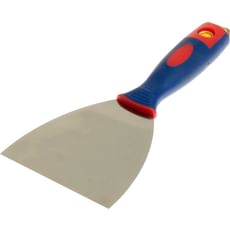
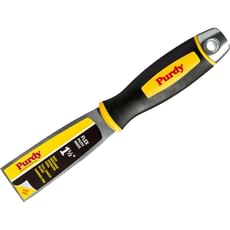
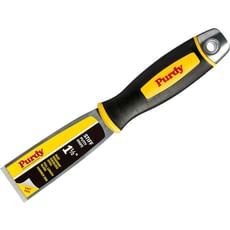
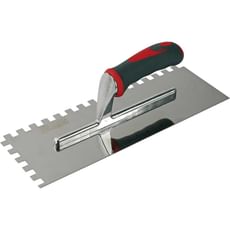
 Loading...
End of content
Error - No more pages to load
About Putty Knives & Spreaders
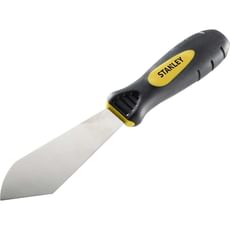
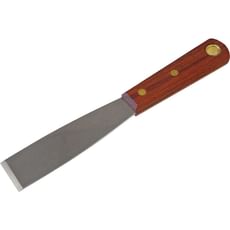
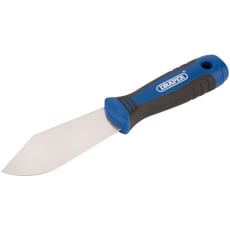
Putty knives and spreaders are essential hand tools for any professional decorator, plasterer, or DIY enthusiast undertaking surface preparation, filling, or adhesive application work. These versatile tools feature flat, flexible blades designed to apply, smooth, and spread a wide range of materials including putty, filler, plaster, adhesives, and sealants. Available in various blade widths, flexibility levels, and handle designs, the right putty knife or spreader makes the difference between a professional finish and amateur results.
The selection at Tooled-Up.com encompasses both traditional putty knives with rigid blades for scraping and filling work, and flexible spreading knives ideal for applying compounds smoothly across larger surfaces. Blade widths typically range from narrow 25mm knives for detailed work around window frames and tight corners, through to wide 150mm spreaders perfect for covering expansive wall areas efficiently. Quality models from brands like Stanley and Bahco feature ergonomic handles that reduce hand fatigue during extended use, whilst corrosion-resistant stainless steel blades ensure longevity even when working with moisture-laden materials.
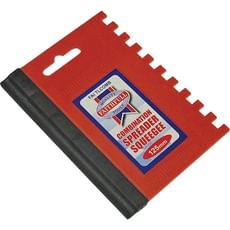
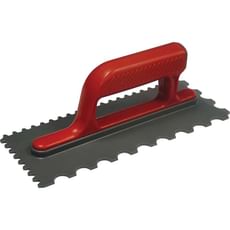
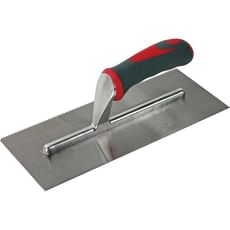
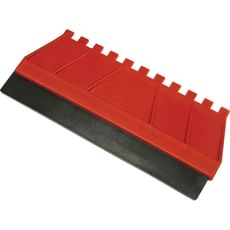
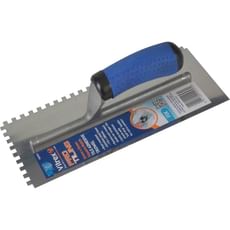
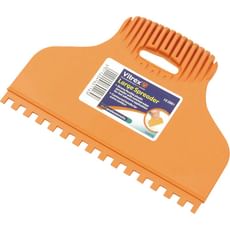
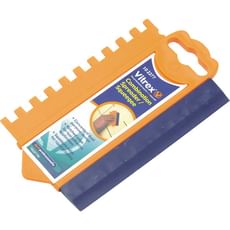
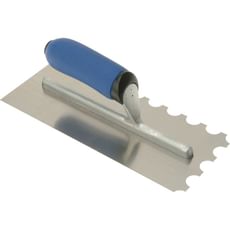
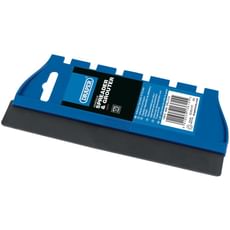
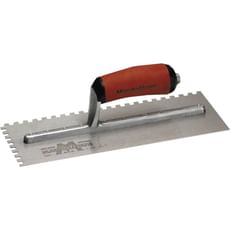
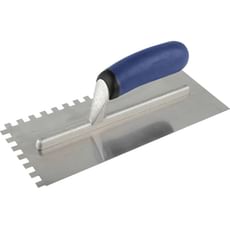
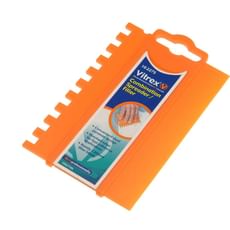
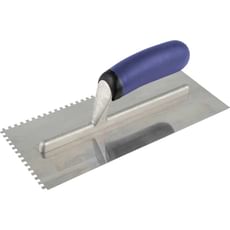
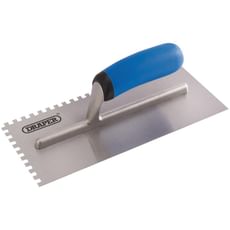
Modern putty knives and spreaders also include specialist variants such as adhesive spreaders with notched or serrated edges for creating even adhesive distribution when laying tiles or flooring. Whether you're glazing windows, filling cracks, skimming plasterboard, or applying tile adhesive, choosing the appropriate tool for your specific application ensures optimal material coverage, minimal waste, and a superior finish that stands the test of time.
Jargon Buster
- Blade Flexibility: Refers to how much the blade bends under pressure. Stiff blades are ideal for scraping and applying thick fillers, whilst flexible blades smooth compounds more easily and conform to curved surfaces.
- Tang: The extended metal section of the blade that runs into the handle, providing strength and durability. Full-tang construction offers superior strength for heavy-duty applications.
- Notched Edge: A serrated blade pattern found on adhesive spreaders, creating ridges in adhesive that improve coverage and bonding whilst controlling application thickness. Common notch sizes include 3mm, 6mm, and 10mm square or V-shaped patterns.
- Taping Knife: A wider, more flexible blade design (typically 100-300mm) specifically engineered for applying and smoothing joint compound over plasterboard seams and taping joints.
- Stripping Knife: A rigid putty knife designed primarily for removing old paint, wallpaper, and adhesives from surfaces through scraping action rather than material application.
- Drop-Forged: A manufacturing process creating exceptionally strong, durable blades by pressing heated metal into shape under extreme pressure, resulting in superior strength compared to stamped blades.
Who Uses Putty Knives & Spreaders?
- Painters and Decorators: For filling holes, smoothing surfaces, removing old paint, and applying decorative plaster finishes
- Plasterers: Essential for applying finishing plaster, smoothing compounds, and creating level surfaces on walls and ceilings
- Glaziers: Specialised use for applying glazing putty when fitting window panes into frames
- Tilers: Using adhesive spreaders with notched edges to apply tile adhesive evenly across floors and walls
- Flooring Installers: Spreading levelling compounds and adhesives for vinyl, laminate, and engineered wood installations
- Maintenance Technicians: General repair work including filling, surface preparation, and adhesive application across various trades
- Carpenters and Joiners: Applying wood filler, smoothing joints, and surface preparation before finishing work
- DIY Enthusiasts: Home improvement projects requiring filling, smoothing, and surface preparation tasks
How to Choose the Right Putty Knives & Spreaders
Blade Width: Select blade width based on your application area. Narrow blades (25-50mm) suit detailed work around window frames, architraves, and tight spaces. Medium widths (75-100mm) offer versatility for general filling and smoothing. Wide blades (125mm+) cover large wall areas efficiently when applying plaster or levelling compound.
Blade Flexibility: Rigid blades excel at scraping, removing old materials, and applying thick fillers that require firm pressure. Flexible blades smooth compounds more effectively, feather edges seamlessly, and adapt to slightly uneven surfaces. Consider owning both types for comprehensive capability.
Handle Design: Ergonomic handles with soft-grip materials reduce hand fatigue during prolonged use. For professional tradespeople working daily, comfort becomes crucial. Hammer-end handles on some models allow light tapping to set the blade when scraping stubborn materials.
Blade Material: Stainless steel blades resist corrosion when working with water-based compounds and clean easily. Carbon steel offers excellent rigidity for heavy scraping but requires proper maintenance to prevent rust. Premium tools available from Tooled-Up feature hardened steel for extended edge retention.
Notch Pattern: When selecting adhesive spreaders, match the notch size to manufacturer recommendations for your specific adhesive and tile size. Larger tiles typically require larger notches (10mm+) to ensure adequate adhesive coverage, whilst smaller mosaics work best with fine 3mm notches.
Construction Quality: Full-tang construction provides superior strength for demanding applications. Check that handles are securely attached and won't separate under pressure. Quality brands like Stanley and Bahco offer reliable construction backed by manufacturer guarantees.
Popular Accessories
- Decorating Buckets and Mixing Paddles: For preparing fillers, plaster, and compounds to the correct consistency
- Sanding Blocks and Abrasive Sheets: Essential for smoothing filled areas once dry before final decoration
- Dust Sheets and Masking Tape: Protecting surfaces during filling and spreading operations
- Tool Cleaning Solutions: Specialised cleaners for removing dried compounds from blades and extending tool life
- Hawk Boards: Handheld platforms for holding plaster or filler whilst working, improving efficiency
- Joint Tape: Used alongside taping knives when finishing plasterboard joints
- Filling Knives Sets: Multiple blade widths for tackling various applications without changing tools constantly
- Scraper Blade Replacements: Spare blades for tools with replaceable blade systems
- Tool Belts and Pouches: Keeping putty knives accessible whilst working at height or moving between areas
Frequently Asked Questions
What's the difference between a putty knife and a filling knife?
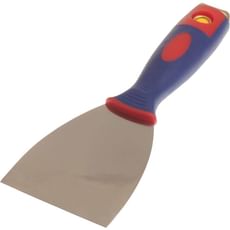
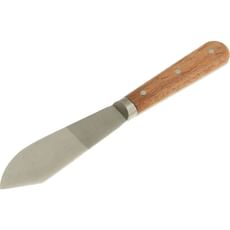
Whilst the terms are often used interchangeably, putty knives traditionally have slightly more rigid blades designed for applying glazing putty and scraping, whereas filling knives typically feature more flexible blades optimised for smoothing modern fillers and compounds. In practice, many modern tools serve both purposes effectively, with blade flexibility being the key distinguishing factor for your specific application.
How do I maintain and clean my putty knives?
Clean blades immediately after use before materials dry and harden. Warm soapy water removes most water-based compounds, whilst white spirit works for oil-based materials. Dry thoroughly to prevent rust, especially on carbon steel blades. Occasionally apply a light oil coating for storage. Remove any dried material carefully with a scraper rather than bending the blade, which can permanently affect its flexibility.
Which notch size should I use for my tile adhesive spreader?
Notch size depends on tile dimensions and adhesive type. As a general guide: 3mm notches suit tiles up to 100mm, 6mm notches work for tiles 100-300mm, and 10mm or larger notches suit tiles over 300mm or natural stone. Always check your adhesive manufacturer's recommendations, as formulation variations affect the required notch size for proper coverage and bonding.
Can I use a putty knife for scraping paint?
Yes, rigid putty knives work well for paint removal, though dedicated stripping knives or scrapers with replaceable blades may prove more efficient for extensive paint stripping projects. When scraping paint, use a stiff blade and work at a low angle to avoid gouging the substrate. For intricate mouldings, narrower blades provide better control around detailed areas.
What blade width is most versatile for general DIY use?
A 75mm filling knife offers excellent versatility for most DIY applications, handling both detailed filling work and moderate surface areas effectively. For comprehensive capability, consider a two-knife set with a 50mm blade for detailed work and a 100mm blade for larger areas. This combination covers the majority of household filling, smoothing, and light scraping tasks without requiring multiple specialist tools.