

Putty Knives
Pay in 3 interest-free payments on purchases from £30-2000 with  . Learn more.
 Loading...
End of content
Error - No more pages to load
About Putty Knives
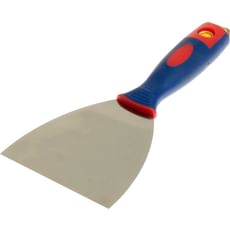
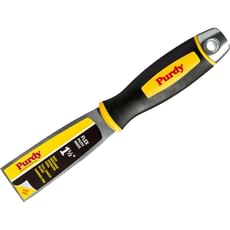
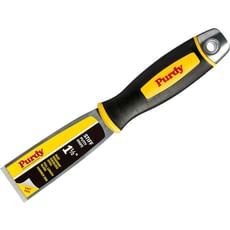
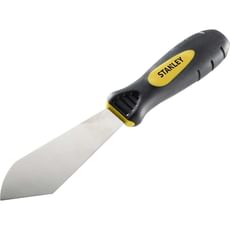
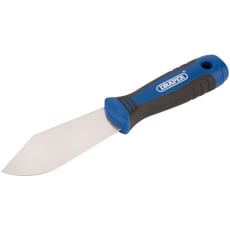
Putty knives are versatile hand tools essential for a wide range of decorating, glazing and surface preparation tasks. Featuring a flat, flexible or stiff blade attached to a comfortable handle, these tools excel at applying putty and filler, scraping away old paint, removing damaged glazing compound, and smoothing joint compounds across various surfaces. The blade width typically ranges from 25mm to 100mm, with each size suited to different applications from detailed work around window frames to broader surface preparation tasks.
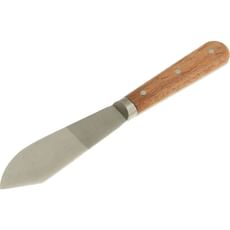
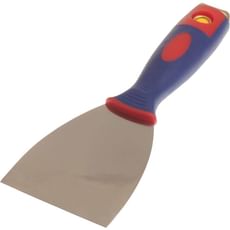
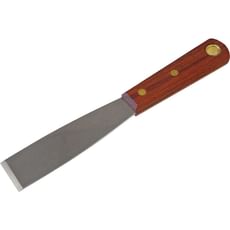
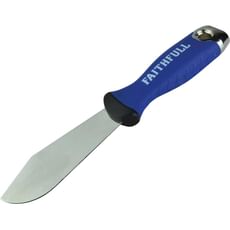
The selection at Tooled-Up.com includes professional-grade putty knives from trusted brands including Faithfull, Purdy, Stanley, RST and Draper. These tools feature various blade materials and handle designs to suit different preferences and applications. Stainless steel blades offer excellent corrosion resistance for long-term durability, whilst polished carbon steel provides the perfect balance of flexibility and strength. Handle options range from traditional hardwood with brass rivets to modern soft-grip designs that reduce hand fatigue during extended use.
Whether you need a flexible blade for applying filler smoothly or a stiff blade for aggressive scraping and paint removal, the right putty knife makes all the difference to work quality and efficiency. Professional models often feature full-tang construction where the blade extends through the entire handle length, providing superior strength and durability for demanding site work and daily professional use.
Jargon Buster
- Flexible Blade: A thinner, bendable blade ideal for spreading fillers, applying putty smoothly, and working on contoured surfaces where the blade needs to conform to the shape.
- Stiff Blade: A rigid, thicker blade designed for heavy-duty scraping, removing stubborn paint layers, and stripping materials where firm pressure is required.
- Full-Tang Construction: A design where the metal blade extends completely through the handle, providing maximum strength and preventing the blade from separating during heavy use.
- Glazing Knife: A specialist putty knife specifically designed for window glazing work, featuring the right blade angle and flexibility for applying and smoothing glazing compound.
- Window Knife: Another term for a glazing knife, particularly useful for debeading PVCu windows and removing old putty from window frames.
- Soft-Grip Handle: An ergonomic handle design with rubberised or cushioned material that improves comfort and reduces hand fatigue during prolonged use.
Who Uses Putty Knives?
- Painters and Decorators: For surface preparation, filling cracks, applying filler, and scraping away loose or flaking paint before redecorating.
- Glaziers: Essential for applying and smoothing glazing compound when fitting new glass panes and removing old putty from window frames.
- Plasterers: Used for applying filler to small areas, smoothing joint compounds, and general surface preparation work.
- Maintenance Professionals: For general repair work, surface preparation, and renovation projects across commercial and residential properties.
- Shopfitters and Joiners: Useful for filling nail holes, smoothing wood filler, and preparing timber surfaces before finishing.
- DIY Enthusiasts: Homeowners undertaking decorating projects, window repairs, or general home maintenance tasks.
- Heritage and Restoration Specialists: For delicate work on period properties requiring careful removal of old materials without damaging original features.
How to Choose the Right Putty Knives
Blade Flexibility: Consider whether you need a flexible blade for spreading and smoothing applications or a stiff blade for scraping and stripping tasks. Many professionals keep both types in their toolkit for different situations.
Blade Width: Smaller blades (25-50mm) suit detailed work around window frames and tight spaces, whilst wider blades (75-100mm) cover larger surface areas more efficiently. Match the width to your typical working area for best results.
Blade Material: Stainless steel blades resist corrosion and maintain their edge longer, making them ideal for wet environments and glazing work. Carbon steel blades offer excellent strength and can be resharpened when needed.
Handle Design: Soft-grip handles reduce fatigue during extended use and provide better control in cold conditions. Traditional wooden handles with brass rivets offer classic durability and a comfortable feel. Choose based on your typical working duration and personal preference.
Construction Quality: Look for full-tang construction where the blade runs through the entire handle length. Tooled-Up stocks professional models with robust attachment methods including brass rivets that ensure the blade won't separate under pressure.
Brand Reputation: Established brands like Faithfull, Purdy and Stanley have proven track records for producing reliable tools that withstand daily professional use. Investing in quality tools reduces replacement frequency and improves work results.
Popular Accessories
- Decorators' Filler: Ready-mixed and powder fillers for interior and exterior applications
- Glazing Compound: Traditional linseed oil-based putty and modern synthetic compounds for window glazing
- Paint Scrapers: Complementary tools with different blade profiles for various scraping tasks
- Filling Knives: Wider blades specifically designed for applying filler across broader surface areas
- Sandpaper and Abrasives: For smoothing filled areas before painting or finishing
- Caulking Guns: For applying flexible sealants around windows and other joints
- Dust Sheets: Essential protection for surrounding areas during scraping and preparation work
- Tool Rolls and Pouches: Organised storage solutions to protect blade edges and keep tools accessible
Safety Information
Sharp Edges: Putty knife blades have sharp edges and corners. Always direct cutting force away from your body and keep fingers clear of the blade edge during use. Store tools with blade guards where possible.
Lead Paint: When removing old paint from properties built before 1992, be aware of potential lead content. Use appropriate respiratory protection and follow HSE guidance for working with lead-based materials.
Hand Protection: Wear appropriate work gloves when undertaking heavy scraping tasks to prevent blisters and hand fatigue. Ensure gloves don't compromise grip or tool control.
Tool Maintenance: Keep blades clean and free from hardened filler or paint buildup. Store in dry conditions to prevent rust, particularly on carbon steel blades. Check handles regularly for cracks or looseness that could affect tool safety.
Frequently Asked Questions
What's the difference between a flexible and stiff putty knife?
Flexible putty knives have thinner blades that bend easily, making them ideal for spreading filler smoothly and conforming to curved surfaces. Stiff putty knives feature rigid blades designed for heavy-duty scraping, removing stubborn paint, and stripping materials where you need to apply significant pressure without the blade flexing.
Can I use the same putty knife for applying filler and scraping paint?
Whilst possible, it's not recommended for best results. Using a flexible blade for delicate filling work and a separate stiff blade for aggressive scraping preserves each tool's effectiveness and extends their working life. Scraping damages blade edges, affecting smooth filler application.
How do I remove dried filler or paint from my putty knife?
For water-based materials, soak the blade in warm water to soften residue before scraping clean with another blade or wire brush. For oil-based materials, use an appropriate solvent or paint stripper. Clean tools immediately after use to prevent buildup from hardening permanently.
What width putty knife should I choose for window glazing?
For traditional window glazing work, a 25mm to 40mm width provides the best control and manoeuvrability around glazing bars and frame corners. This size allows precise application and smoothing of glazing compound without excess overspill onto the glass.
Are stainless steel blades better than carbon steel?
Each has advantages: stainless steel resists corrosion excellently and requires less maintenance, making it ideal for wet conditions and glazing applications. Carbon steel can achieve a sharper edge and offers slightly better flexibility characteristics, though it requires more care to prevent rust. Choose based on your primary application and maintenance preferences.