

Racking
Pay in 3 interest-free payments on purchases from £30-2000 with  . Learn more.
 Loading...
End of content
Error - No more pages to load
About Racking
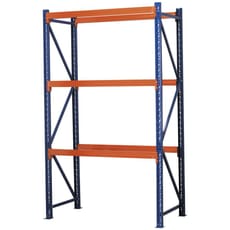
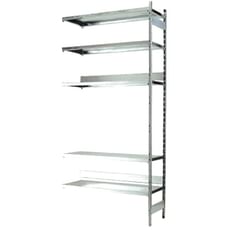
Professional racking systems provide essential storage solutions for workshops, warehouses, garages, and commercial premises, enabling tradespeople and businesses to maximise space whilst keeping materials organised and accessible. From heavy-duty steel frameworks designed to support substantial loads to modular shelving units that adapt to changing storage needs, racking systems transform cluttered workspaces into efficient, productive environments. Whether you're storing lengthy materials like pipes and timber, bulky equipment, or tool storage systems, the right racking solution ensures everything has its designated place.
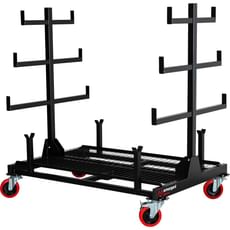
The racking selection at Tooled-Up.com encompasses various configurations to suit different storage requirements and available space. Modular systems offer flexibility, allowing you to start with a basic setup and expand as your storage needs grow. Mobile racking units provide the advantage of portability, making them ideal for construction sites where materials need relocating between work areas. Specialist designs such as pipe racks and bundle storage systems cater to specific trade requirements, whilst wall-mounted and freestanding options accommodate different workshop layouts. Many systems feature corrosion-resistant finishes and robust construction to withstand demanding workshop and site environments.
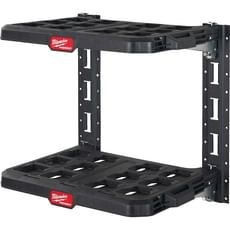
Modern racking solutions integrate seamlessly with popular tool storage systems including Milwaukee PACKOUT, DeWalt Tough System, and Makita MakPac ranges, creating comprehensive storage ecosystems that keep tools and materials organised in one accessible location. Premium brands like Sealey, Bunker, and Armorgard offer professional-grade racking engineered to meet the rigorous demands of daily trade use, with load capacities clearly rated to ensure safe storage of heavy materials and equipment.
Jargon Buster
- Load Capacity – The maximum weight a racking system or individual shelf can safely support, typically measured in kilograms per shelf or as an overall unit capacity. Always observe these limits to prevent structural failure.
- Modular Racking – Storage systems comprising interchangeable components that can be configured, expanded, or reconfigured according to changing storage requirements. These typically include uprights, shelves, and connectors that work together in various combinations.
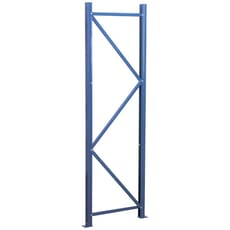
- Bay – A single section of racking between two sets of vertical uprights. Multiple bays can be joined together to create extended racking runs, sharing central uprights to reduce costs and maximise space efficiency.
- Cantilever Racking – A specialised design without front uprights, featuring arms extending from a central column. Ideal for storing long materials like pipes, timber, and sheet materials that would be difficult to store on conventional shelving.
- Mobile Racking – Racking units mounted on castors or wheels, allowing easy repositioning around workshops or between site locations. Often features lockable wheels for stability during loading and unloading.
- Anti-Corrosive Finish – Protective coatings such as powder coating, galvanisation, or zinc plating that prevent rust and deterioration, particularly important for racking used in damp environments or outdoor storage applications.
Who Uses Racking?
Racking systems serve a broad spectrum of trades and industries:
- Plumbers and Gas Engineers – storing pipes, fittings, and bulky equipment in vans, workshops, or on larger installation sites
- Builders and General Contractors – organising materials, tools, and equipment across multiple sites and storage facilities
- Electricians – keeping cable reels, conduit, and electrical supplies neatly stored and easily accessible
- Carpenters and Joiners – storing timber, sheet materials, and finished components in workshops or on site
- Mechanics and Vehicle Technicians – organising parts, tools, and equipment in garages and workshops
- Warehouse Managers – maximising storage capacity in distribution centres and stockrooms
- Facilities Managers – maintaining organised storage areas in commercial and industrial premises
- DIY Enthusiasts – creating efficient home workshop and garage storage solutions
- Landscapers – storing materials, tools, and equipment in yards and on project sites
- Shop Fitters and Retail Installers – transporting and storing materials during installation projects
How to Choose the Right Racking
Assess Your Load Requirements: Calculate the weight of materials you'll be storing and select racking with appropriate load capacity per shelf and overall unit capacity. Factor in future needs to avoid outgrowing your system quickly. Heavy-duty steel racking suits substantial loads, whilst lighter modular systems work well for general storage.
Measure Your Available Space: Accurately measure floor space, ceiling height, and access routes before selecting racking dimensions. Consider clearance needed for loading and unloading, and ensure you can manoeuvre materials safely around the installation. Wall-mounted systems maximise floor space in compact workshops.
Consider Mobility Needs: If you regularly relocate materials between work areas or transport equipment to different sites, mobile racking on lockable castors provides valuable flexibility. Fixed installations offer greater stability for permanent workshop storage.
Evaluate Material and Construction: Steel racking with anti-corrosive finishes suits demanding environments and outdoor use. Stainless steel options provide superior corrosion resistance for particularly harsh conditions. Hardwood shelving combines strength with a professional appearance for customer-facing areas.
Think About Modularity: Modular systems from brands like Bunker allow you to start with basic configurations and expand incrementally. This approach spreads costs whilst ensuring your storage grows with your business. Check compatibility if integrating with existing storage systems.
Integration with Tool Storage: Consider how racking will work alongside your existing tool storage. Dedicated systems for Milwaukee PACKOUT, DeWalt Tough System, and similar ranges create unified storage ecosystems that keep everything organised and accessible.
Popular Accessories
- Additional Shelves – extra shelving units to expand existing racking configurations as storage needs increase
- Dividers and Separators – compartmentalise shelves to prevent materials mixing and maintain organisation
- Lockable Castors – upgrade fixed racking to mobile configurations or replace worn wheels on existing mobile units
- End Stops and Barriers – prevent materials sliding off open-ended racking during transport or in busy environments
- Tool Storage Modules – PACKOUT, Tough System, and similar units that mount to or integrate with racking systems
- Label Holders – clearly identify shelf contents for efficient stock management and quick retrieval
- Wall Anchors and Floor Fixings – secure tall or heavily loaded racking to prevent tipping hazards
- Protective Corner Guards – prevent damage from impacts in busy workshops or warehouse environments
- Load Capacity Indicators – clearly display safe working loads to prevent overloading and ensure HSE compliance
Safety Information
Load Limits: Never exceed manufacturer-specified load capacities for individual shelves or overall units. Overloading causes structural failure and creates serious injury risks. Distribute weight evenly across shelves and place heavier items on lower levels for stability.
Installation and Anchoring: Follow manufacturer assembly instructions precisely. Tall or heavily loaded racking should be secured to walls or floors using appropriate fixings to prevent tipping. Ensure floor surfaces are level and capable of supporting the loaded weight.
Regular Inspection: Periodically inspect racking for damage, corrosion, loose fixings, or signs of stress. Replace damaged components immediately. Check that mobile units have functioning brakes and wheels rotate freely without wobbling.
Safe Loading Practices: Use appropriate lifting techniques and equipment when loading heavy materials. Ensure aisles remain clear for safe access. Stack materials securely to prevent items falling, and avoid storing materials that protrude beyond shelf edges.
HSE Compliance: Commercial installations must comply with Health and Safety Executive guidelines for storage systems. Ensure adequate gangway widths, appropriate signage indicating load limits, and proper training for personnel using the racking systems.
Frequently Asked Questions
What's the difference between modular and fixed racking systems?
Modular racking comprises interchangeable components that can be reconfigured, expanded, or adjusted to suit changing storage needs. You can add shelves, extend bays, or alter shelf heights as requirements evolve. Fixed racking systems have predetermined configurations that offer robust storage but limited adaptability. Modular systems provide greater long-term flexibility, whilst fixed designs often suit specific storage applications like pipe racks or bundle storage.
Can I use racking outdoors or in damp environments?
Racking specifically designed with anti-corrosive finishes such as galvanisation, powder coating, or stainless steel construction can withstand outdoor use and damp conditions. Standard steel racking without protective finishes will rust rapidly when exposed to moisture. Check manufacturer specifications for environmental suitability, and consider additional protection like covers for valuable stored items even with weather-resistant racking.
How do I calculate the load capacity I need?
List everything you plan to store and estimate weights, adding a safety margin of at least 25% for future expansion. Calculate both the total unit capacity and per-shelf requirements. For example, if storing boxes of fixings averaging 15kg each with six boxes per shelf, you need shelves rated for at least 90kg plus your safety margin. Always distribute weight evenly and place heavier items on lower shelves for stability.
Are mobile racking systems as stable as fixed installations?
Quality mobile racking with lockable castors provides excellent stability when brakes are engaged. The key is selecting appropriately rated wheels for your load capacity and ensuring level floor surfaces. Mobile systems suit workshops and sites where flexibility matters, but fixed installations anchored to walls or floors offer superior stability for very heavy loads or in high-traffic areas where accidental impacts might occur.
Can I integrate tool storage systems like PACKOUT with racking?
Many modern racking solutions specifically accommodate popular modular tool storage systems including Milwaukee PACKOUT, DeWalt Tough System, and Makita MakPac. Dedicated racking systems feature mounting points or shelf configurations designed to secure these storage modules, creating unified storage ecosystems. This integration keeps tools organised alongside materials and equipment, improving workshop efficiency and reducing time spent searching for items.