
Racks & Shelving

Pay in 3 interest-free payments on purchases from £20-£3000 with  . Learn more.
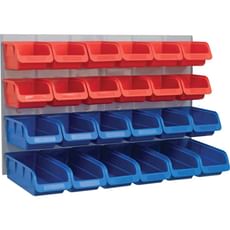
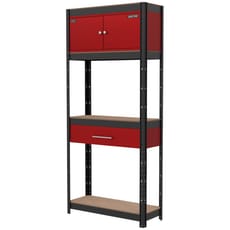
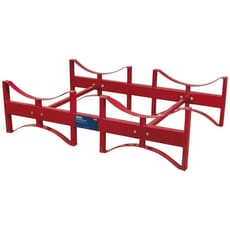
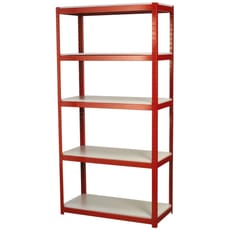
Loading...
End of content
Error - No more pages to load
About Racks & Shelving
Effective storage solutions are essential for maintaining organised, efficient workspaces in workshops, warehouses, garages, and commercial premises. Quality racks and shelving systems provide robust, versatile storage that maximises vertical space whilst keeping tools, equipment, and materials easily accessible. From heavy-duty industrial racking capable of supporting substantial loads to adjustable shelving units for lighter storage needs, the right system can transform cluttered spaces into productive working environments.
Tooled-Up.com offers a comprehensive selection of storage solutions spanning three key areas: bin storage systems for small components and fixings, industrial-grade racking for heavy-duty applications, and versatile shelving units for general workshop and warehouse use. Modern storage systems feature modular designs that adapt to changing requirements, with options for boltless assembly, adjustable shelf heights, and expandable configurations that grow alongside your business or project needs.
Whether you're organising a professional workshop, managing warehouse inventory, or simply creating order in a busy garage, investing in proper racks and shelving delivers tangible benefits. Well-designed storage systems improve workflow efficiency, reduce time wasted searching for items, protect expensive tools and materials from damage, and contribute to safer working environments by eliminating trip hazards and keeping walkways clear.
Jargon Buster
- UDL (Uniformly Distributed Load): The maximum weight capacity evenly spread across an entire shelf surface, typically measured in kilograms. This differs from point loading, where weight concentrates in one area.
- Bay: A single section of racking or shelving between upright frames, which can be extended by adding additional bays to create longer runs of storage.
- Boltless Assembly: Storage systems that connect using clips, pins, or rivets rather than nuts and bolts, allowing for quick installation without tools and easy reconfiguration when needs change.
- Uprights: The vertical support posts or frames that form the structure of racking and shelving systems, typically made from steel with various finishes for corrosion resistance.
- MDF Shelves: Medium-density fibreboard shelving suitable for lighter loads, offering smooth surfaces ideal for storing smaller items and boxes in dry environments.
- Galvanised Finish: A zinc coating applied to steel components that provides excellent corrosion resistance, making storage systems suitable for damp workshops, garages, and semi-outdoor locations.
Who Uses Racks & Shelving?
Storage solutions from Tooled-Up are essential for a wide range of trades and industries:
- Automotive Professionals: Mechanics and vehicle technicians requiring organised storage for parts, tools, and consumables in busy workshops
- Electricians: Storing cable reels, electrical components, fixings, and testing equipment in vans, workshops, or on-site containers
- Plumbers and Heating Engineers: Organising pipe fittings, valves, tools, and spare parts in service vehicles and trade counters
- Joiners and Carpenters: Storing timber offcuts, hand tools, power tool accessories, fixings, and finishing materials in workshops
- Warehouse and Logistics Operators: Managing inventory, stock rotation, and order picking in distribution centres and storage facilities
- Retail and Trade Counters: Displaying products, managing back-of-house stock, and organising customer orders efficiently
- Facilities Managers: Maintaining organised storage for maintenance supplies, cleaning materials, and equipment across commercial premises
- DIY Enthusiasts: Creating organised home workshops and garages with proper storage for tools, hardware, and project materials
How to Choose the Right Racks & Shelving
Load Capacity Requirements: Calculate the total weight you need to store, including future expansion. Check the UDL rating per shelf and ensure the overall frame capacity exceeds your requirements. Heavy automotive parts, stored liquids, and bulk fixings demand industrial-grade racking, whilst paperwork and lighter tools suit standard shelving.
Available Space and Configuration: Measure your area carefully, accounting for ceiling height, doorways, and workspace clearances. Consider whether you need single-sided access (against walls) or double-sided access (freestanding units). Modular systems allow you to start small and expand by adding bays as requirements grow.
Shelf Adjustability: Look for systems with adjustable shelf heights that accommodate items of varying sizes. This flexibility proves invaluable when storage needs change or when organising diverse inventory. Pitch increments of 50mm provide fine-tuned positioning options.
Material and Durability: Steel construction offers superior strength and longevity for professional environments. Galvanised or powder-coated finishes resist corrosion in damp workshops and garages. MDF or chipboard shelves suit lighter-duty applications in climate-controlled spaces, whilst steel decking handles heavier loads and resists damage.
Assembly Method: Boltless systems assemble quickly without tools, ideal when you need storage operational immediately or plan to reconfigure layouts regularly. Bolted systems provide maximum rigidity for the heaviest-duty applications but require more installation time.
Complementary Storage Systems: Consider integrating bin storage systems for small components alongside larger shelving. This combination approach maximises organisation, with bulk items on shelves and fixings, fittings, and small parts in clearly labelled bin systems.
Popular Accessories
- Shelf Dividers: Vertical separators that create compartments on shelves, preventing items from mixing and maintaining organisation
- Storage Bins and Containers: Plastic boxes, parts bins, and storage crates that fit shelving systems and keep small items contained
- Labelling Systems: Adhesive labels, magnetic strips, and label holders for identifying contents and improving picking efficiency
- Anti-Slip Mats: Rubber or PVC matting that prevents items sliding on smooth shelves during movement or vibration
- Step Stools and Ladders: Safe access equipment for reaching upper shelves in tall racking systems
- Additional Shelves and Extension Bays: Expansion components that allow you to increase storage capacity as needs grow
- Protective Corner Guards: Impact-resistant guards that protect racking uprights from forklift and trolley damage in busy environments
Safety Information
Installation and Anchoring: Always secure freestanding racking and tall shelving units to walls or floors according to manufacturer instructions. This prevents toppling hazards, particularly in environments where stock levels fluctuate or where seismic activity, impacts, or vibration may occur.
Load Distribution: Never exceed the stated load capacity per shelf or the overall unit capacity. Distribute weight evenly across shelves and place heavier items on lower levels to maintain stability. Concentrated point loads can cause shelf failure even when total weight remains within limits.
Regular Inspections: Conduct periodic checks for damaged components, bent uprights, cracked welds, or corroded fixings. Replace compromised parts immediately, as structural integrity deteriorates over time, particularly in demanding industrial environments. The HSE recommends documented inspection regimes for warehouse racking.
Safe Loading Practices: Use proper manual handling techniques when loading shelves, and employ mechanical aids for heavy items. Ensure aisles remain clear and maintain adequate lighting around storage areas. Never climb shelving units—always use appropriate access equipment such as step stools or platform ladders.
Frequently Asked Questions
What's the difference between racking and shelving?
Racking typically refers to heavy-duty industrial storage systems designed for substantial loads, often used with pallets and handling equipment in warehouses. Shelving generally describes lighter-duty units with individual shelves for manual loading, suitable for workshops, garages, and retail environments. The Tooled-Up range includes both categories to suit different applications and load requirements.
How much weight can standard workshop shelving hold?
Capacity varies significantly by design and construction. Light-duty domestic shelving may support 50-75kg per shelf, whilst medium-duty workshop units typically handle 150-250kg per level. Heavy-duty industrial racking can support 500kg or more per shelf. Always check the manufacturer's stated UDL rating and consider both individual shelf capacity and total unit capacity when planning your storage.
Can I use storage racking outdoors or in damp environments?
Galvanised steel racking offers excellent corrosion resistance for garages, semi-outdoor areas, and damp workshops. However, standard painted or powder-coated units may rust in persistently wet conditions. For fully outdoor applications, specify hot-dip galvanised systems designed for exterior use. MDF and chipboard shelves are unsuitable for damp environments as moisture causes swelling and structural failure.
Do I need any special tools to assemble boltless shelving?
Boltless systems typically require only a rubber mallet to tap beams into uprights, making assembly straightforward without specialist tools. However, you'll need a drill and appropriate fixings to secure tall or freestanding units to walls or floors for safety compliance. Some heavier-duty systems may require spanners for bolted connections, though most modern workshop shelving features tool-free assembly.
How do I calculate how much shelving I need?
List everything requiring storage and measure or estimate dimensions and weights. Add 20-30% capacity for future growth. Consider item access frequency—place regularly used items at convenient heights. Calculate required shelf area, then select systems that fit your available floor space whilst maximising vertical storage. Modular systems offer flexibility to start with essential capacity and expand affordably as needs develop.