

Radiator Paint Brushes
Pay in 3 interest-free payments on purchases from £30-2000 with  . Learn more.
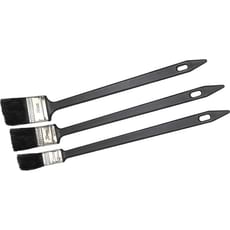
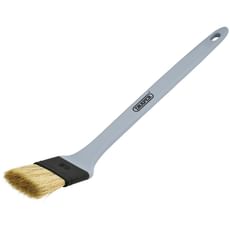
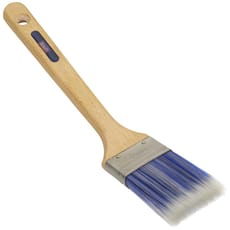
 Loading...
End of content
Error - No more pages to load
About Radiator Paint Brushes
Radiator paint brushes are specialist decorating tools designed to reach the awkward, confined spaces that standard paintbrushes simply cannot access. With their angled heads and extended handles, these brushes allow painters and decorators to achieve professional results behind radiators, pipes, and other hard-to-reach areas without the need to drain heating systems or remove fixtures. Whether you're refreshing a dated heating system or completing a full room redecoration, the right radiator brush makes all the difference between a patchy, amateur finish and crisp, complete coverage.
The radiator paint brushes available from Tooled-Up.com feature a range of handle lengths and head angles to suit different applications. Many models incorporate synthetic filaments that work effectively with both water-based and solvent-based paints, whilst maintaining their shape and flexibility even after repeated use. Stainless steel ferrules resist corrosion from paint thinners and cleaning solvents, ensuring these brushes remain reliable tools in your decorating kit for years to come. From single long-reach brushes for occasional DIY work to comprehensive three-piece sets for professional decorators, Tooled-Up stocks options from trusted brands including Faithfull, Draper, and Sealey.
These specialist brushes are particularly valuable when working on renovation projects in occupied properties, where removing radiators would mean draining central heating systems and causing significant disruption. The angled head design allows you to maintain a comfortable painting position whilst achieving even coverage in spaces as narrow as 25mm, eliminating unsightly unpainted strips that can detract from otherwise excellent decorating work.
Jargon Buster
- Synthetic Filaments: Man-made bristles typically constructed from nylon or polyester, offering excellent shape retention, easy cleaning, and compatibility with modern water-based paints without the swelling issues that can affect natural bristles.
- Ferrule: The metal band that secures the bristles to the handle, usually made from stainless steel in quality brushes to prevent rust and corrosion when exposed to paint solvents and cleaning agents.
- Angled Head: A brush head set at approximately 45 degrees to the handle, allowing the decorator to reach behind obstacles whilst maintaining visibility and control of the painting action.
- Long-Reach Handle: An extended handle design, typically 200-400mm in length, that provides the leverage and distance needed to access tight spaces behind radiators and pipework.
- Cutting-In Brush: A term used for precision brushes designed to create clean edges and work in confined areas where roller application is impossible, including radiator painting applications.
- Natural and Synthetic Blend: A filament mix combining animal hair (usually hog bristle) with synthetic fibres to balance paint-holding capacity with durability and ease of cleaning.
Who Uses Radiator Paint Brushes?
- Professional Painters and Decorators completing domestic and commercial refurbishment projects
- Maintenance Teams in hospitals, schools, and local authority buildings
- Property Developers and Landlords preparing rental properties between tenancies
- DIY Enthusiasts tackling home improvement and redecorating projects
- Handyman Services offering general property maintenance
- Facilities Management Companies maintaining office and retail spaces
- Social Housing Maintenance Operatives conducting void property works
- Interior Designers overseeing complete room transformations
How to Choose the Right Radiator Paint Brushes
Handle Length: Consider the depth of space you need to access. Standard radiators mounted on wall brackets typically require handles of 250-300mm, whilst tight spaces behind cast iron radiators or boxing may need extended 400mm handles. Measure the gap before purchasing to ensure adequate reach.
Bristle Type: Synthetic filaments suit modern water-based emulsions and satinwood paints, offering easy cleaning and quick drying between coats. Natural or blended bristles may be preferable for oil-based paints and specialist finishes, though synthetic options now perform well across all paint types.
Head Angle: Angled heads provide better access and visibility in confined spaces, allowing you to see your work whilst maintaining a comfortable wrist position. Straight brushes may suffice for shallower gaps but become awkward to control in tighter areas.
Brush Width: Narrower brushes (typically 25-40mm) offer greater manoeuvrability in restricted spaces, whilst wider options (50-75mm) provide faster coverage once you've cut in around pipes and brackets. Consider purchasing a set with multiple widths for versatility.
Ferrule Quality: Stainless steel ferrules resist corrosion from paint thinners and cleaning solvents. Cheaper brushes with plated ferrules may rust after several uses, causing staining and bristle shedding that ruins your paintwork.
Handle Material: Wooden handles offer traditional comfort and grip, whilst plastic handles may provide better resistance to moisture and cleaning chemicals. The selection at Tooled-Up includes both options from quality manufacturers.
Popular Accessories
- Radiator Rollers: Small foam rollers on extended handles for covering larger radiator surfaces more quickly
- Dust Sheets and Floor Protection: Essential for protecting carpets and flooring when working behind radiators
- Masking Tape: For protecting walls and creating clean edges around radiator brackets
- White Spirit or Brush Cleaner: For cleaning oil-based paint from brushes and maintaining bristle condition
- Paint Kettles: Small containers for decanting paint to manageable quantities when working in confined spaces
- Wire Brushes: For preparing radiator surfaces and removing rust before painting
- Radiator Primer: Specialist metal primers for ensuring paint adhesion and preventing future corrosion
- Extension Poles: For reaching high radiators without ladders
- Brush Storage and Protection: Keeper sleeves to maintain bristle shape between uses
Frequently Asked Questions
Can I use a standard paintbrush behind radiators?
Whilst technically possible in some situations, standard brushes lack the angled head and extended handle that make radiator brushes effective. You'll struggle to reach the full depth behind the radiator, often leaving unpainted strips visible from certain angles. The awkward wrist position required also increases fatigue and reduces control, resulting in drips and uneven coverage. Specialist radiator brushes cost little more than standard brushes and deliver significantly better results.
Do I need to remove my radiators to paint behind them properly?
A quality radiator brush eliminates the need to drain and remove radiators in most cases, saving considerable time and hassle. However, if radiators require extensive surface preparation, rust treatment, or if you're changing from dark to very light colours, removal may still be preferable. For routine redecorating and maintenance painting, a long-reach radiator brush achieves professional results without system disruption.
How do I clean radiator brushes after use?
For water-based paints, rinse thoroughly in warm water until it runs clear, then reshape the bristles and hang to dry. With oil-based paints, work white spirit through the bristles, squeeze out excess, then wash with warm soapy water before rinsing and drying. Never leave brushes standing on their bristles, as this permanently deforms the filaments and ruins the brush's performance.
What's the advantage of synthetic bristles over natural hair?
Synthetic filaments maintain their shape better in water-based paints, which can cause natural bristles to swell and become floppy. They're also easier to clean thoroughly, dry more quickly, and aren't affected by paint thinners and solvents. Modern synthetic brushes perform excellently with all paint types whilst offering greater durability and lower maintenance than natural alternatives.
Can I use the same brush for different paint colours?
Provided you clean the brush thoroughly between colours, yes. However, when switching from dark to light shades, traces of pigment can affect the new colour. Many decorators keep separate brushes for whites and magnolia specifically to avoid contamination issues. Given the modest investment in quality radiator brushes, maintaining separate tools for different colour families ensures consistently clean results.