

Raised Panel Moulding Bits
Pay in 3 interest-free payments on purchases from £30-2000 with  . Learn more.
 Loading...
End of content
Error - No more pages to load
About Raised Panel Moulding Bits
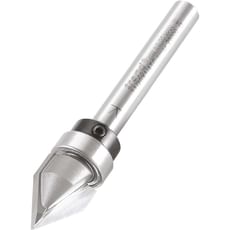
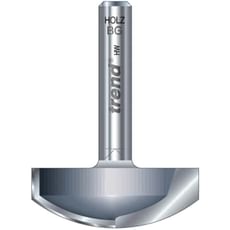
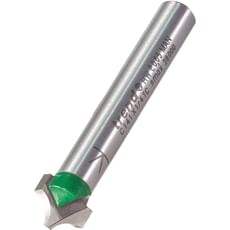
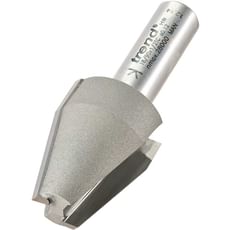
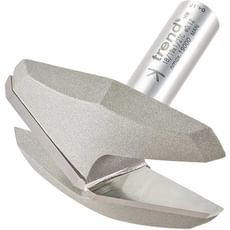
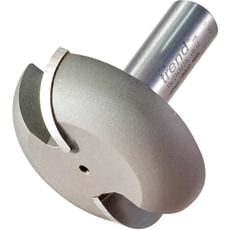
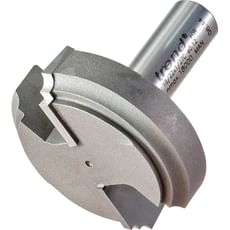
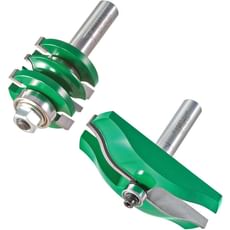
Raised panel moulding bits are specialised router cutters designed to create the elegant raised panel profiles traditionally used in frame-and-panel door construction, kitchen cabinetry, and fine furniture making. These heavy-duty cutters enable woodworkers to produce the decorative bevelled, radiused, or ogee profiles on panel edges that fit precisely into grooved frames, creating the classic aesthetic of traditional joinery. Available in various profile styles including bevel, radius, ogee, and dished designs, raised panel bits transform flat timber or MDF panels into professionally crafted components with dimensional depth and visual interest.
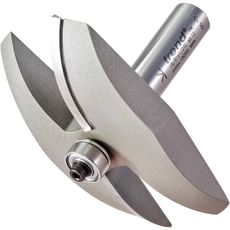
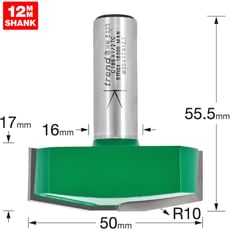
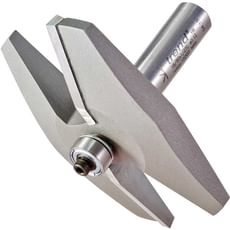
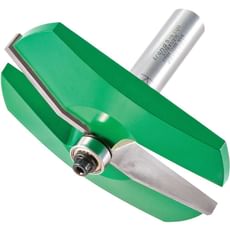
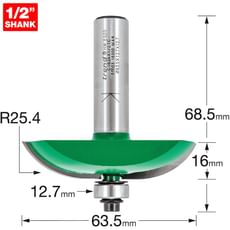
The comprehensive range at Tooled-Up.com features bearing-guided raised panel cutters from Trend, including both standard and CRAFTPRO specifications. These router bits are engineered for use with heavy-duty routers mounted in fixed positions—either inverted in a router table or mounted overhead—allowing precise, controlled cuts on large panel workpieces. With cutting diameters typically ranging from 50mm to over 85mm and requiring 1/2-inch shank routers, these are substantial tools designed for serious woodworking applications. The bearing guide ensures consistent profile depth and smooth operation along the panel edge, whilst the carbide-tipped cutting edges deliver clean results in both natural timber and manufactured boards.
Raised panel bits work in conjunction with profile scribing cutters to create complete frame-and-panel assemblies. Tooled-Up stocks individual panel raisers alongside complete door-making sets that include matching rail-and-stile cutters, enabling woodworkers to produce entire doors, cabinet fronts, and panelled furniture pieces with perfectly coordinated profiles. These cutters represent a cost-effective alternative to industrial spindle moulder tooling, bringing professional panel-raising capabilities to workshop routers.
Jargon Buster
- Bearing-Guided: Router bits fitted with a ball-bearing pilot that runs along the workpiece edge or template, controlling the cutting depth and ensuring consistent profile dimensions without relying solely on fence positioning.
- Panel Raiser: A router cutter specifically designed to machine the bevelled or profiled edge on a door or furniture panel, creating the raised central field and shaped perimeter that fits into the groove of a surrounding frame.
- Profile Scriber (Rail & Stile Cutter): Complementary router bits that cut the mirror-image profile into frame rails and stiles, creating the groove and decorative profile that receives the raised panel and forms the mechanical joint at frame corners.
- Vertical Panel Bit: A raised panel cutter with a vertical cutting orientation designed for use in router tables, allowing safer machining of smaller or narrower panels by keeping the workpiece flat on the table rather than standing on edge.
- Carbide-Tipped: Router cutters with extremely hard tungsten carbide cutting edges brazed to the steel body, providing superior edge retention, heat resistance, and extended service life compared to high-speed steel alternatives.
- Large Diameter Cutter: Router bits exceeding 50mm diameter that remove substantial material volume, requiring reduced router speeds (typically 10,000-16,000 RPM), powerful motors (minimum 1800W), and robust machine setups for safe, controlled operation.
Who Uses Raised Panel Moulding Bits?
- Cabinet Makers: Creating custom kitchen cabinets, fitted furniture, and bespoke storage solutions with traditional frame-and-panel door construction
- Joiners and Carpenters: Producing interior doors, room panelling, wainscoting, and architectural millwork for residential and commercial installations
- Furniture Makers: Crafting fine furniture pieces including wardrobes, sideboards, blanket chests, and other items featuring raised panel construction
- Shopfitters: Manufacturing retail display fixtures, reception desks, and commercial joinery requiring decorative panel details
- Restoration Specialists: Replicating period panelwork and replacing damaged components in heritage buildings and antique furniture
- Advanced DIY Enthusiasts: Home woodworkers with router table setups undertaking substantial projects like kitchen renovations or built-in furniture construction
- Bespoke Door Manufacturers: Small-scale producers creating custom internal and external doors with traditional panelled designs
How to Choose the Right Raised Panel Moulding Bits
Profile Style: Select the decorative profile that matches your design requirements. Bevel panel raisers create a simple angled slope, ideal for Shaker-style doors and contemporary designs. Radiused profiles offer a softer, curved transition suitable for traditional cabinetry. Ogee panel raisers produce the classic S-curved profile favoured in period furniture and high-end joinery. Dished or chamfered options provide alternative aesthetic treatments for specific applications.
Router Compatibility: Raised panel bits require substantial routers with 1/2-inch collet capacity and minimum 1800W motors operating at 240v. Verify your router can accommodate the cutter diameter and has sufficient power for the material depth you'll be machining. These large-diameter cutters must run at reduced speeds—typically 10,000-16,000 RPM depending on diameter—so variable-speed control is essential for safe operation.
Bearing Guidance: Most raised panel bits at Tooled-Up feature bearing guides that reference directly off the panel edge, ensuring consistent profile depth. Check the bearing diameter matches your intended profile position. Some vertical panel bits operate without bearings, relying instead on router table fence positioning for depth control.
Material Application: Confirm the cutter is suitable for your workpiece material. Trend raised panel bits handle both natural timber and MDF, but cutting parameters and feed rates differ between materials. MDF produces finer dust and may require more frequent cleaning of bearing assemblies, whilst hardwoods demand slower feed rates and sharp cutters.
Complete Sets vs Individual Cutters: Door-making sets like the CRAFTPRO Easyset include matched panel raiser and profile scriber cutters, ensuring perfect compatibility between panel profiles and frame grooves. Individual cutters offer flexibility when working with existing tooling or replacing worn components, but verify profile compatibility with your rail-and-stile cutters.
Quality Grade: CRAFTPRO specification cutters from Trend offer enhanced manufacturing tolerances and finish quality compared to standard ranges. Consider premium options for production work or when machining expensive hardwoods where finish quality is paramount.
Popular Accessories
- Router Tables: Essential for safe raised panel work, providing stable workpiece support and controlled cutter access—brands like Trend offer dedicated router table systems
- Heavy-Duty Routers: Powerful 1/2-inch machines from Makita, DeWalt, or Trend with variable speed control and soft-start capability for large-diameter cutters
- Profile Scribing Cutters: Matching rail-and-stile bits that create the complementary frame profiles for complete door assemblies
- Featherboards and Push Blocks: Safety accessories ensuring consistent pressure and safe hand positioning when feeding panels past large cutters
- Dust Extraction Systems: High-volume extractors from DeWalt or Festool to manage the substantial dust and chip volume produced during panel raising
- Router Bit Storage: Protective cases or wall-mounted holders preventing damage to carbide edges and bearing assemblies
- Cutting Lubricants: Specialist products reducing friction and resin buildup when machining particularly resinous timbers or pitch-prone softwoods
- Digital Callipers: Precision measuring tools for verifying profile dimensions and ensuring consistent panel-to-frame fitting
Safety Information
Machine Setup: Raised panel bits must only be used in securely mounted routers—either inverted in router tables or overhead-mounted configurations. Never attempt to use these large-diameter cutters in handheld routers, as the torque and cutting forces create uncontrollable and extremely dangerous conditions. Ensure router mounting is rigidly secured before operation.
Speed Requirements: Large-diameter cutters exceeding 50mm must run at reduced speeds to maintain safe tip velocities. Consult manufacturer guidelines but typically operate between 10,000-16,000 RPM depending on cutter diameter. Excessive speeds generate dangerous heat buildup, increase breakage risk, and may cause catastrophic cutter failure.
Personal Protective Equipment: Always wear safety glasses or face shields, hearing protection, and dust masks when routing. Raised panel work generates substantial dust volumes requiring proper respiratory protection—consider P2/FFP2-rated disposable masks or powered respirators for extended sessions. Avoid loose clothing, jewellery, and tie back long hair.
Workpiece Control: Feed panels against the cutter rotation direction at steady, controlled rates. Never force the workpiece or take excessively deep cuts in single passes. For thick panels, make multiple progressively deeper passes rather than attempting full-depth cuts. Use featherboards and push blocks to maintain consistent pressure and safe hand positioning away from the cutter.
Dust Extraction: Connect effective dust extraction to your router table, as raised panel operations produce large volumes of chips and dust. Accumulated debris around the cutter creates fire hazards from friction sparks and obscures workpiece positioning. Maintain clear sight lines and clean working conditions throughout machining operations.
Inspection and Maintenance: Check cutter condition before each use, examining carbide edges for chips or damage and ensuring bearings rotate freely without roughness. Clean resin buildup from cutters using appropriate solvents. Replace damaged or excessively worn cutters immediately—compromised cutting geometry increases kickback risk and produces poor-quality results requiring additional sanding work.
Frequently Asked Questions
What router power rating do I need for raised panel bits?
Minimum 1800W (240v) with 1/2-inch collet capacity and variable speed control. Raised panel cutters remove substantial material and require powerful motors to maintain speed under load. Underpowered routers bog down, overheat, and produce poor surface finishes. Professional-grade machines from Makita, DeWalt, or Trend rated at 2000W or above deliver best results, particularly when machining hardwoods or taking deeper cuts in MDF.
Can I use raised panel bits in a handheld router?
No—absolutely not. The large diameter and substantial cutting forces make handheld operation extremely dangerous. Raised panel bits must only be used in routers securely mounted in tables or overhead fixtures. The workpiece moves past the stationary cutter, allowing controlled feeding and safe operation. Attempting handheld use risks serious injury from loss of control, kickback, or cutter contact.
How do raised panel bits match with profile scribers?
Raised panel bits create the profiled edge on door panels, whilst profile scribers (rail-and-stile cutters) machine the corresponding groove and decorative profile into frame members. When selecting cutters, ensure the panel profile dimensions match the scriber dimensions—many manufacturers offer matched sets or provide compatibility charts. The panel tongue thickness must fit the frame groove width, and decorative profiles should align when assembled.
What materials can I machine with raised panel cutters?
Trend raised panel bits at Tooled-Up handle both natural timber (softwoods and hardwoods) and MDF. Solid timber delivers traditional aesthetics with grain patterns visible in the raised field, whilst MDF provides dimensional stability and accepts paint finishes beautifully. Adjust feed rates according to material—hardwoods require slower feeding than softwoods, whilst MDF machines quickly but generates fine dust requiring excellent extraction.
Why are multiple passes recommended rather than full-depth cuts?
Taking multiple progressively deeper passes reduces router motor load, improves surface finish quality, and enhances safety by minimising cutting forces and kickback potential. Full-depth cuts in single passes strain router bearings, overheat cutters reducing edge life, and risk workpiece movement or snatching. Progressive passes allow the router to maintain optimal speed, produce cleaner results requiring less sanding, and provide better control throughout the operation.