

Rakes

Pay in 3 interest-free payments on purchases from £20-£3000 with  . Learn more.
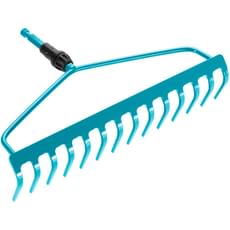
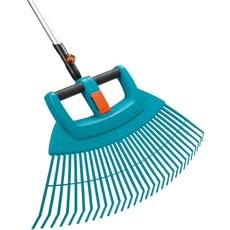
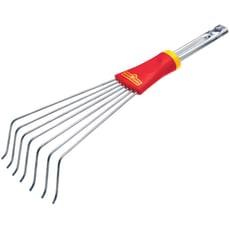
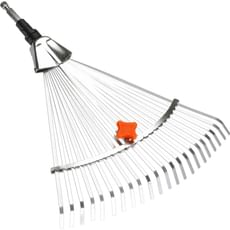
 Loading...
End of content
Error - No more pages to load
About Rakes
Rakes are essential garden tools designed to gather, level, and prepare soil, remove debris, and maintain outdoor spaces efficiently. From collecting autumn leaves to preparing seedbeds, rakes come in numerous specialist designs, each engineered for specific tasks. The fundamental design comprises a long handle attached to a head with multiple tines or teeth, though the configuration varies significantly depending on the intended application. Modern rakes combine traditional functionality with ergonomic improvements and durable materials that withstand the rigours of professional landscaping and demanding garden maintenance.
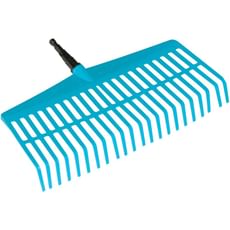
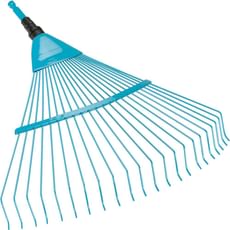
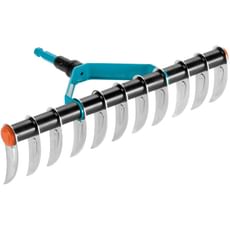
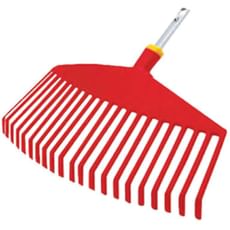
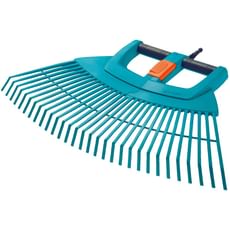
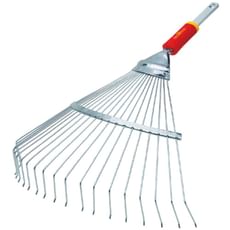
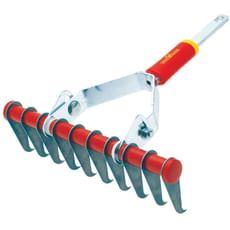
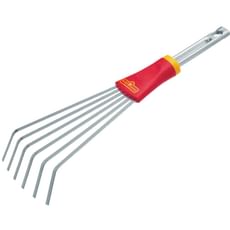
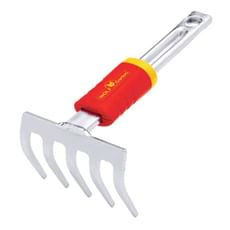
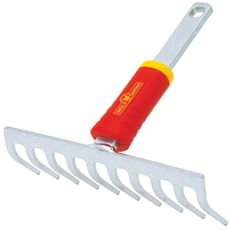
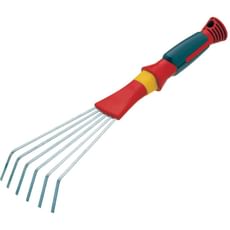
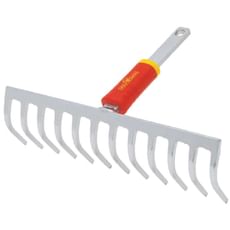
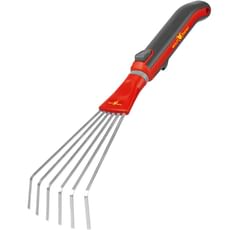
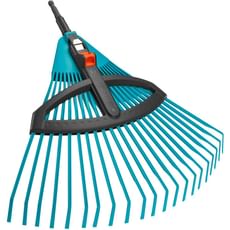
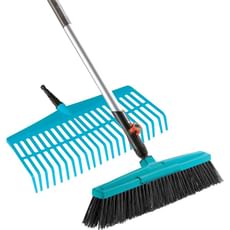
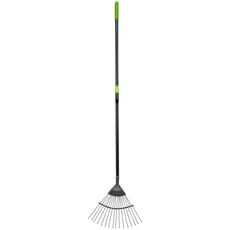
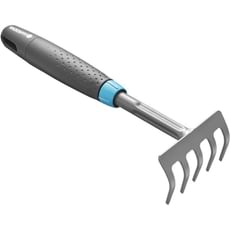
The selection at Tooled-Up.com encompasses ten distinct rake categories, reflecting the diversity of tasks these tools perform. Garden rakes feature robust, widely-spaced metal tines ideal for breaking up soil and spreading materials, whilst fan rakes (also called spring rakes) employ flexible, radiating tines perfect for gathering leaves without damaging lawns. Moss rakes incorporate sharp, angled blades designed to scarify turf and remove thatch, whilst hand rakes provide precision control for confined spaces and delicate planting areas. Specialised options include adjustable rakes that adapt to different widths, soil rakes with fine teeth for seedbed preparation, and shovel rakes that combine raking and scooping functions.
Whether clearing large areas of leaf litter, preparing vegetable beds, or maintaining pristine lawns, selecting the appropriate rake design dramatically improves efficiency and results. Professional landscapers typically own multiple rake types to handle varied tasks, whilst homeowners benefit from understanding which designs best suit their specific garden maintenance requirements and the scale of work they undertake regularly.
Jargon Buster
- Tines: The individual teeth or prongs that extend from the rake head. These can be made from metal, plastic, or bamboo, with spacing and strength varying according to the rake's purpose.
- Scarifying: The process of removing moss, thatch, and dead grass from lawns using specialised rakes with sharp, blade-like tines that penetrate the turf surface.
- Thatch: A layer of dead organic matter that accumulates between grass blades and soil, which can impede water penetration and nutrient absorption if allowed to build up excessively.
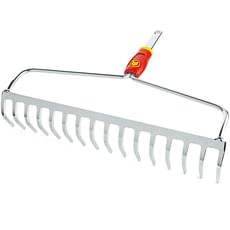
- Bow Rake: A heavy-duty garden rake with a curved metal brace connecting the handle to a straight-edged head, designed for levelling soil and moving heavy materials.
- Spring Tines: Flexible metal tines that bend under pressure, characteristic of lawn and fan rakes, which prevents turf damage whilst effectively gathering lightweight debris.
- Head Width: The measurement across the rake head, typically ranging from 300mm for hand rakes to 800mm for large leaf collection rakes, with adjustable models offering variable widths.
Who Uses Rakes?
- Landscapers and Groundskeepers: Professional maintenance of parks, estates, sports grounds, and commercial properties requiring multiple rake types
- Gardeners and Horticulturalists: Both commercial growers and private gardeners preparing beds, maintaining borders, and managing seasonal clearance
- Groundwork Contractors: Site preparation, levelling aggregate, and finishing work on construction and civil engineering projects
- Estate Managers and Park Wardens: Large-area maintenance including leaf clearance, path maintenance, and seasonal grounds care
- Agricultural Workers: Farmyard maintenance, paddock care, and small-scale land management tasks
- Property Maintenance Teams: Managing outdoor spaces for residential developments, councils, and facilities management companies
- Homeowners and DIY Enthusiasts: Regular garden maintenance, lawn care, seasonal clearance, and landscaping projects
- Allotment Holders: Soil preparation, plot maintenance, and seasonal clean-up of vegetable growing areas
How to Choose the Right Rakes
Primary Task Requirements: Identify your main application before selecting a rake type. Leaf collection demands fan rakes with flexible tines, soil preparation requires rigid garden rakes with strong metal tines, and lawn maintenance benefits from spring-tined lawn rakes or moss rakes with scarifying blades.
Handle Length and Material: Standard handles range from 1.2 to 1.8 metres, with longer options reducing back strain during extended use. Wooden handles (typically ash) offer traditional feel and shock absorption, whilst fibreglass and aluminium handles provide enhanced durability and weather resistance. Consider ergonomic designs with cushioned grips for prolonged use.
Head Construction and Width: Metal heads withstand heavy-duty work and last longer, whilst plastic alternatives suit lighter tasks and cost less. Head width affects coverage area—wider heads (600-800mm) speed up large-area work but prove unwieldy in confined spaces, whereas narrower heads (300-400mm) offer greater manoeuvrability. Tooled-Up stocks adjustable rakes that provide versatility across different situations.
Tine Configuration: Widely-spaced rigid tines (garden rakes) move soil and heavy debris effectively but can damage delicate surfaces. Closely-spaced flexible tines (fan rakes) gather lightweight materials without harming lawns. Consider tine count—more tines provide finer collection but require more effort, whilst fewer tines move material faster with less resistance.
Professional vs Domestic Use: Professional applications demand commercial-grade construction with reinforced heads, robust tine attachment, and replaceable components. Domestic users may find mid-range options offer adequate durability at lower cost, though investing in quality tools reduces long-term replacement expenses.
Popular Accessories
- Garden Waste Bags: Large-capacity sacks for collecting raked leaves, grass clippings, and garden debris
- Leaf Grabbers: Hand-held scoops that work alongside rakes to transfer collected material efficiently
- Garden Gloves: Essential hand protection against blisters, splinters, and general wear during extended raking sessions
- Wheelbarrows and Garden Carts: Transport collected materials from raking areas to disposal or composting locations
- Tool Storage Solutions: Wall-mounted racks, sheds, and garden storage systems to protect rakes from weather damage
- Replacement Handles: Spare handles for extending the lifespan of quality rake heads when handles break
- Compost Bins: Process raked organic matter into valuable soil conditioner
- Lawn Scarifiers: Powered alternatives for large-scale moss removal and lawn renovation projects
Safety Information
Whilst rakes present minimal safety risks compared to powered equipment, proper handling prevents injury. Always store rakes with tines facing downward or against walls to prevent tripping hazards—stepping on an upturned rake can cause serious facial injury. Wear sturdy footwear with reinforced toes when raking, as downward strikes can puncture lightweight shoes. Use gardening gloves to prevent blisters during extended use and protect against splinters from wooden handles.
Maintain awareness of your surroundings when working with long-handled rakes, particularly near glazing, people, and pets. Check rake heads regularly for loose tines or damaged connections that could fail during use. When raking near hard surfaces, control your swing to avoid striking paving or walls, which can damage both the rake and the surface. Store rakes in dry conditions to prevent wooden handle deterioration and metal tine corrosion, extending tool lifespan and maintaining safe operation.
Frequently Asked Questions
What's the difference between a garden rake and a lawn rake?
Garden rakes (bow rakes) feature rigid, widely-spaced metal tines designed for soil preparation, levelling, and moving heavy materials. Lawn rakes have flexible spring tines or fan-shaped plastic tines that gather leaves and light debris without damaging grass. Garden rakes work soil; lawn rakes clean surfaces.
How do I remove moss from my lawn effectively?
Use a dedicated moss rake or scarifier with sharp, angled blades that penetrate the turf to lift moss and thatch. Work in multiple directions across the lawn, applying moderate pressure. Collect removed material with a fan rake, then overseed bare patches and apply appropriate lawn treatment to prevent moss return.
Can I use one rake for all garden tasks?
Whilst possible, using task-specific rakes improves efficiency and results. A medium-width garden rake handles soil work and general debris, but struggles with delicate lawn maintenance or fine seedbed preparation. Professionals typically own multiple types, whilst homeowners might start with a garden rake and fan rake combination covering most requirements.
How do I maintain my rake to extend its lifespan?
Clean tines after use to remove soil and debris, preventing corrosion. Store rakes under cover in dry conditions, hanging vertically or with tines protected. Treat wooden handles annually with linseed oil to prevent drying and splitting. Tighten loose connections promptly and replace damaged components rather than discarding entire tools.
What rake width should I choose for my garden?
Match width to your typical working area. Gardens under 50 square metres suit rakes around 400-500mm wide, providing manoeuvrability between plants. Larger gardens and open areas benefit from 600-800mm widths for faster coverage. Adjustable rakes available from Tooled-Up offer versatility, adapting from narrow border work to wide-area clearance as needed.