

Ramps

Pay in 3 interest-free payments on purchases from £20-£3000 with  . Learn more.
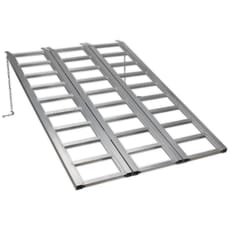
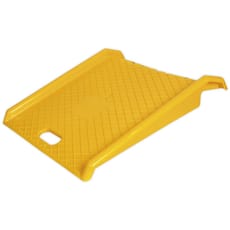
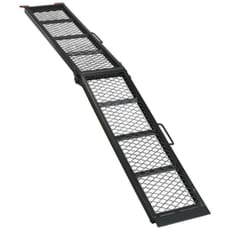
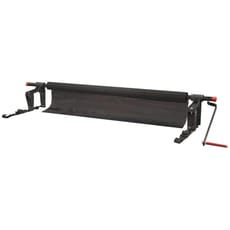
 Loading...
End of content
Error - No more pages to load
About Ramps
Ramps are essential pieces of equipment designed to bridge height differences and facilitate the safe movement of heavy loads, vehicles, equipment, and materials. Whether loading a van, accessing storage containers, moving machinery into a workshop, or transporting motorcycles and quad bikes, the right ramp makes all the difference between a difficult, potentially dangerous task and a straightforward operation. Available in various configurations including folding loading ramps, portable access ramps, and vehicle-specific designs, these products are engineered to handle substantial weight capacities while remaining practical for transport and storage.
Modern loading ramps incorporate features such as mesh construction for improved grip in wet conditions, reinforced edges to prevent deformation under load, and folding mechanisms that reduce storage space requirements. Materials typically include heavy-duty steel for maximum durability and load-bearing capacity, whilst aluminium alternatives offer lighter weight options for improved portability. Tooled-Up.com stocks ramps suitable for everything from small vehicle loading and site access to heavy-duty cargo handling, with weight capacities ranging from a few hundred kilograms to several tonnes.
Specialised ramps are designed for specific applications, including truck bed cargo unloaders that streamline delivery operations and dedicated access ramps for storage containers like Armorgard's Forma-Stor units. These purpose-built solutions ensure compatibility and optimal safety, with features such as non-slip surfaces, safety lips to prevent slippage, and robust construction that withstands the demands of daily commercial use on construction sites, workshops, and logistics operations.
Jargon Buster
- Load Capacity: The maximum safe working load a ramp can support, typically expressed in kilograms or tonnes. Always ensure the combined weight of vehicle, equipment, or materials being moved does not exceed this rating.
- Mesh Construction: A perforated or grid-style surface design that provides superior traction, allows water and debris to pass through, and reduces overall weight whilst maintaining structural strength.
- Safety Lip: A raised edge or retaining lip at the top of the ramp that hooks over the loading surface to prevent the ramp from slipping backward during use.
- Working Length: The actual usable surface length of the ramp when fully deployed, which differs from the overall length when folded or stored.
- Gradient/Angle of Incline: The steepness of the ramp, typically expressed as a ratio or angle. A gentler gradient makes loading easier and safer, particularly for motorised vehicles or heavy equipment.
- Folding Mechanism: A hinged design that allows the ramp to fold in half or into sections for compact storage and easier transportation.
Who Uses Ramps?
- Delivery drivers and logistics professionals loading and unloading vans, lorries, and truck beds
- Landscape gardeners moving mowers, turf cutters, and compact machinery
- Motorcycle and motorsport enthusiasts loading bikes, quads, and ATVs onto trailers or into vans
- Construction site managers facilitating access to storage containers and site offices
- Plant hire companies loading and transporting equipment between sites
- Warehouse and distribution operatives moving palletised goods and heavy materials
- Agricultural workers loading equipment, quad bikes, and small tractors
- Mobile mechanics and service engineers accessing elevated work areas or loading tools and equipment
- Wheelchair users and accessibility professionals creating temporary access solutions
- Event hire companies setting up stages, platforms, and temporary structures
How to Choose the Right Ramps
Load Capacity: This is the most critical factor. Calculate the total weight you'll be moving, including the vehicle, equipment, or materials, and select a ramp with a capacity significantly higher than this figure to maintain a safety margin. Remember that dynamic loads during movement can exceed static weight.
Length and Gradient: Longer ramps create a gentler incline, making loading easier and safer, particularly for motorised vehicles. As a general rule, the ramp length should be at least four times the height difference being bridged. Steeper gradients increase the risk of grounding, loss of control, or equipment damage.
Width: Ensure the ramp width comfortably accommodates the wheels or base of what you're moving, with adequate clearance on both sides. Narrow ramps increase the risk of accidents and make loading more difficult, particularly in poor visibility or wet conditions.
Surface and Grip: Mesh construction or textured surfaces provide superior traction in wet, muddy, or oily conditions. Consider your typical working environment when selecting surface type – outdoor and construction site use particularly benefits from perforated designs.
Portability and Storage: If you need to transport ramps regularly between sites, folding models significantly reduce storage space and make handling easier. Consider the folded dimensions and weight, particularly if you'll be loading and unloading them single-handed.
Material Construction: Steel ramps from brands like Sealey offer maximum durability and load capacity for heavy-duty commercial use, whilst aluminium alternatives provide lighter weight options where portability is paramount. Assess your priorities between weight capacity, durability, and ease of handling.
Compatibility: For specialised applications such as storage container access, ensure the ramp is designed for your specific equipment. The range at Tooled-Up includes dedicated solutions like Armorgard access ramps engineered for perfect compatibility with Forma-Stor units.
Popular Accessories
- Ramp straps and tie-downs for securing ramps during transport
- Anti-slip tape and treads to enhance surface grip
- Wheel chocks to prevent vehicle movement during loading operations
- Loading gloves for improved grip when positioning ramps
- Ramp storage bags to protect surfaces and keep vehicles clean during transport
- Load securing equipment including ratchet straps and cargo nets
- Warning signs and safety barriers for creating safe loading zones
- High-visibility clothing for safe operation in busy environments
Safety Information
Always inspect ramps before use for signs of damage, deformation, or wear, particularly at welded joints and folding mechanisms. Never exceed the stated load capacity, and distribute weight evenly across the ramp surface. Ensure the ramp is positioned on stable, level ground and that any safety lips are properly engaged with the loading surface before use.
When loading motorised vehicles, maintain steady throttle control and avoid sudden acceleration or braking that could cause loss of control. For pushed or pulled loads, use appropriate mechanical assistance where possible and ensure adequate personnel are available. Always work with the ramp straight – lateral forces dramatically reduce safe working loads and can cause sudden collapse.
In accordance with HSE guidance on manual handling and workplace transport safety, assess risks before operations and implement appropriate control measures. Ensure adequate lighting for loading operations, particularly in warehouses or during winter months. Never position yourself or others in a position where they could be struck by a falling load or runaway vehicle.
Store ramps in a dry location to prevent corrosion, and conduct regular maintenance including cleaning to remove debris, checking fixing points, and lubricating folding mechanisms. Replace any ramp showing structural damage, significant corrosion, or deformation rather than attempting repairs that could compromise safety.
Frequently Asked Questions
What load capacity do I need for a motorcycle or quad bike?
For most motorcycles, a ramp with a 400-500kg capacity provides adequate safety margin. Larger touring bikes, adventure bikes, or quad bikes may require 600-800kg capacity ramps. Always check your vehicle's laden weight and select a ramp rated significantly higher to account for dynamic loads during movement.
Can I use a single ramp or do I need a pair?
For motorcycles, a single wide ramp (typically 220-300mm) is often sufficient and easier to align. For quad bikes, ride-on mowers, or equipment with wide wheelbases, a pair of ramps positioned to match the track width provides safer, more stable loading. Some vehicles benefit from a centre ramp approach, whilst others require separated tracks.
What's the ideal ramp length for loading into a van?
For typical van loading heights of 500-700mm, a 2-metre ramp provides a manageable gradient of around 15-20 degrees. Longer ramps (2.5-3 metres) create gentler inclines that are easier and safer, particularly for heavier equipment or less powerful vehicles. Consider your available space and typical loads when selecting length.
Are mesh ramps better than solid surfaces?
Mesh construction offers several advantages including superior grip in wet conditions, self-cleaning properties as mud and debris fall through, reduced weight for easier handling, and better visibility when positioning wheels. Solid ramps may be preferable for very small wheels or where debris falling through could be problematic.
How do I prevent the ramp from slipping during use?
Select ramps with integrated safety lips that hook over the loading surface. Position the ramp on stable, level ground and ensure any securing points are properly engaged. Some users place rubber matting beneath the lower end for additional grip. Never attempt to hold a ramp in place manually whilst a load is moving across it – this is extremely dangerous and contravenes HSE guidance.