

Rasp Drill Bits
Pay in 3 interest-free payments on purchases from £30-2000 with  . Learn more.
 Loading...
End of content
Error - No more pages to load
About Rasp Drill Bits
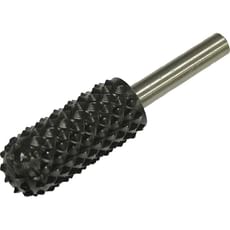
Rasp drill bits are specialist rotary accessories designed for shaping, smoothing, and deburring wood, metal, and plastic materials. Unlike conventional drill bits that create holes, these tools feature abrasive or toothed surfaces that remove material through a rasping action when mounted in a standard power drill or rotary tool. They're invaluable for fine-tuning cuts, enlarging existing holes, creating custom shapes, and finishing edges where traditional files or sandpaper would be impractical or time-consuming.
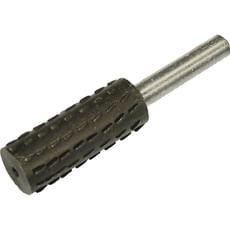
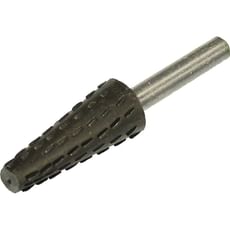
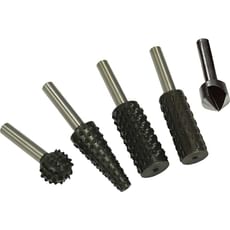
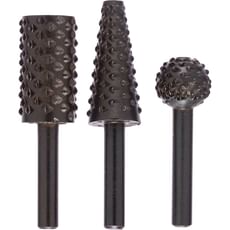
The selection at Tooled-Up.com includes various profiles to suit different applications, from ball-ended designs for concave shaping to cylindrical and conical variants for deburring and edge work. Available from trusted brands including Faithfull and Bosch Professional, these accessories typically feature 6mm or 8mm cylindrical shanks compatible with standard drill chucks. Operating speeds between 1,000 and 3,000 rpm make them suitable for use with most cordless drill drivers and corded drills, offering versatility across workshop and site applications.
Rasp drill bits bridge the gap between power tool speed and hand tool precision, allowing tradespeople and DIY enthusiasts to achieve professional results when working with diverse materials. Whether enlarging holes in metal panels, smoothing wooden carvings, or deburring plastic components, these accessories deliver controlled material removal with excellent visibility of the working area.
Jargon Buster
- Deburring: The process of removing rough edges, sharp projections, or raised material left after cutting, drilling, or machining operations. Rasp drill bits excel at this finishing work.
- Rotary Rasp: A cylindrical or shaped cutting tool with raised teeth or abrasive surfaces, designed to be rotated at high speed in a power drill for material removal and shaping.
- Cylindrical Shank: The smooth, round shaft of the bit that fits into a drill chuck, typically 6mm or 8mm diameter for rasp drill bits, ensuring compatibility with standard power tools.
- Ball-Ended Profile: A spherical or dome-shaped tip design ideal for creating concave surfaces, enlarging holes, and working in recessed areas where flat or pointed tools cannot reach.
- Conical Shape: A tapered profile that gradually increases in diameter, perfect for enlarging holes, creating countersinks, and deburring the edges of drilled openings.
- Non-Ferrous Metals: Metals that don't contain significant amounts of iron, such as aluminium, brass, copper, and bronze. Many rasp drill bits are specifically designed for these softer metals as well as wood and plastics.
Who Uses Rasp Drill Bits?
- Carpenters and joiners for shaping and smoothing wooden components, enlarging dowel holes, and finishing curved surfaces
- Metal fabricators and sheet metal workers for deburring cut edges, enlarging mounting holes, and finishing welds
- Automotive technicians and vehicle restorers for panel work, rust removal, and fitting custom components
- Plumbers and heating engineers for enlarging holes in joists, deburring copper pipe, and modifying fixtures
- Electricians for adjusting knockout holes in metal enclosures and preparing cable entry points
- Model makers and craftspeople for detailed shaping work in wood, plastics, and soft metals
- General builders and maintenance professionals for site modifications and finishing work across various materials
- DIY enthusiasts and home improvers tackling renovation projects, furniture restoration, and custom installations
How to Choose the Right Rasp Drill Bits
Material Compatibility: Identify whether you'll primarily work with wood, metal, or plastic. Wood rasps feature coarser teeth for aggressive material removal, while metal files have finer cutting surfaces. Multi-material variants available from Tooled-Up offer versatility for mixed applications.
Profile Shape: Select profiles based on your typical tasks. Cylindrical shapes suit general deburring and flat surface work, conical designs excel at enlarging holes and countersinking, whilst ball-ended variants are essential for concave shaping and tight radius work. Consider purchasing a mixed set for comprehensive coverage.
Shank Size and Compatibility: Verify that the shank diameter matches your drill chuck capacity. Most rasp drill bits feature 6mm or 8mm shanks suitable for standard 10mm and 13mm drill chucks. Keyless chucks provide the quickest changes between different profiles.
Operating Speed Requirements: Check the manufacturer's recommended RPM range, typically 1,000-3,000 rpm for rasp drill bits. Variable speed drills offer optimal control, allowing you to adjust rotation speed based on material hardness and desired finish quality.
Build Quality and Brand: Professional-grade options from Bosch Professional and Faithfull deliver superior durability for regular trade use, with hardened teeth that maintain sharpness through extended service. Set options often provide better value than individual bits whilst ensuring you have the right profile for each job.
Popular Accessories
- Cordless drill drivers from Makita, DeWalt, and Milwaukee with variable speed control for optimal rasp operation
- Drill chucks and chuck keys for secure bit retention and quick changes between different profiles
- Countersink sets to complement rasp drill bits for complete hole finishing capabilities
- Deburring tools for hand finishing work alongside powered rasp operations
- Safety glasses and face shields to protect against swarf and material particles
- Work gloves from brands like DeWalt and Portwest for secure grip and hand protection
- Drill stands and workbenches for stable mounting when precision shaping is required
- Wire brushes for cleaning rasp teeth and maintaining cutting performance
Safety Information
Always wear appropriate eye protection when using rasp drill bits, as the material removal process generates swarf, dust, and particles that can cause injury. Safety glasses meeting EN166 standards are essential, with full face shields recommended for extended operations or when working with brittle materials that may fragment.
Secure workpieces firmly before commencing work. Never attempt to hold small items by hand whilst operating a rasp drill bit, as the tool can catch and cause the workpiece to spin dangerously. Use clamps, vices, or purpose-built jigs to maintain control throughout the operation.
Operate rasp drill bits within the manufacturer's specified speed range. Excessive RPM can cause premature wear, overheating, and potential bit failure, whilst insufficient speed reduces cutting efficiency and may cause snatching. Variable speed drills provide optimal control across different materials and applications.
Wear appropriate gloves when handling workpieces during and after rasping operations, as freshly worked edges remain sharp and materials may retain heat. Dust masks or respirators meeting HSE standards are advisable when working with materials that generate fine particulates, particularly when shaping treated timber or certain plastics.
Frequently Asked Questions
What's the difference between a rasp drill bit and a regular drill bit?
Regular drill bits cut clean holes by removing material in a spiral motion, whilst rasp drill bits shape, enlarge, and smooth existing holes or surfaces through an abrasive rasping action. Rasp bits are designed for finishing and modification work rather than creating new holes, offering greater control for detailed shaping tasks.
Can I use rasp drill bits in a standard cordless drill?
Yes, rasp drill bits work perfectly in standard cordless drill drivers provided they have variable speed control. Most rasp bits require operating speeds between 1,000-3,000 rpm, which falls within the typical range of quality cordless drills from brands like Makita, DeWalt, and Milwaukee. Ensure your drill chuck can accommodate the bit's shank diameter, usually 6mm or 8mm.
How do I know which profile shape to choose?
Select profiles based on your application: cylindrical shapes suit general deburring and flat surface work, conical designs excel at enlarging holes and creating tapers, whilst ball-ended variants are ideal for concave shaping and working inside existing holes. For versatility, consider a multi-piece set from Tooled-Up that includes various profiles for comprehensive coverage.
Will rasp drill bits work on stainless steel and hardened metals?
Most rasp drill bits are designed for softer materials including wood, plastics, and non-ferrous metals such as aluminium, brass, and copper. Standard rasp bits struggle with stainless steel and hardened materials, which require specialist carbide or diamond-coated accessories. Always check the manufacturer's material compatibility specifications before use.
How long do rasp drill bits typically last?
Lifespan depends on usage intensity, material hardness, and maintenance practices. Professional-grade bits from Bosch Professional and Faithfull can handle substantial workloads when operated correctly. Regular cleaning to remove material buildup, operating within recommended speed ranges, and avoiding excessive pressure all extend service life. Replace bits when cutting performance noticeably diminishes or teeth show significant wear.