

Ratchet Wrenches
Pay in 3 interest-free payments on purchases from £30-2000 with  . Learn more.
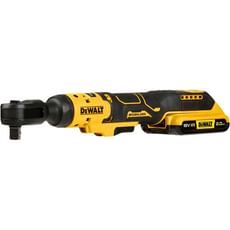
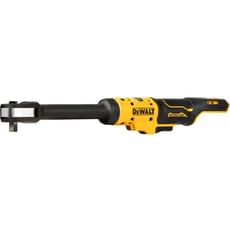
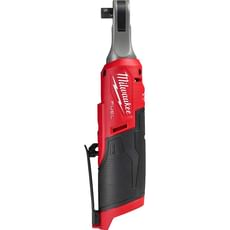
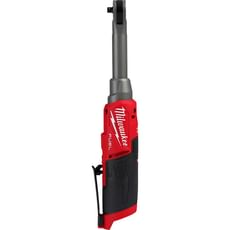
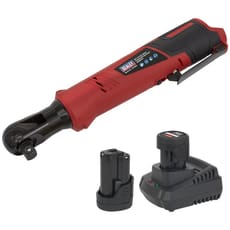
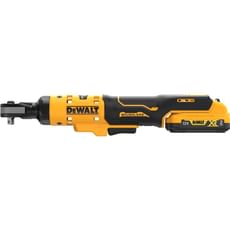
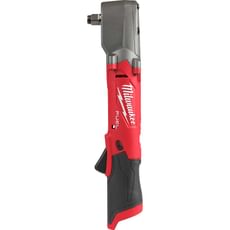
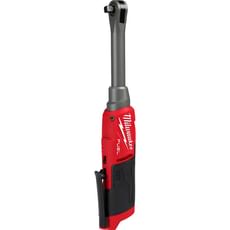
Milwaukee M12 FHIR38 Fuel 12v Cordless Brushless 3/8" Drive Ratchet Wrench
in stock
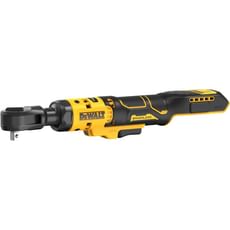
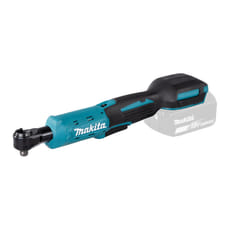
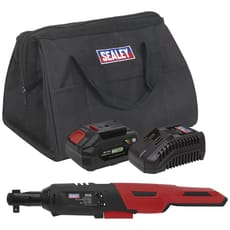
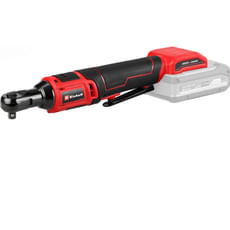
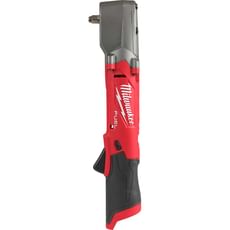
Milwaukee M12 FRAIWF12 Fuel 12v Cordless Brushless 1/2" Drive Ratchet Wrench
available
Milwaukee M12 FRAIWF38 Fuel 12v Cordless Brushless 3/8" Drive Ratchet Wrench
available
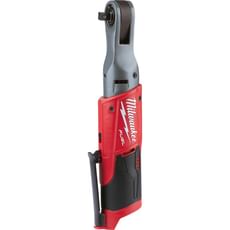
Milwaukee M12 FIR38 Fuel 12v Cordless Brushless 3/8" Drive Ratchet Wrench
available
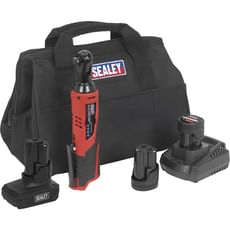
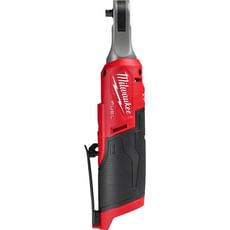
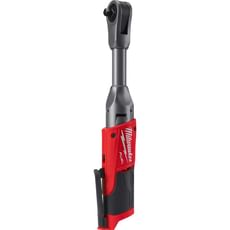
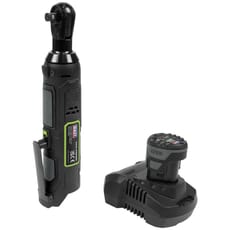
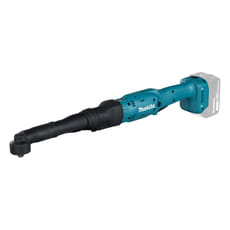
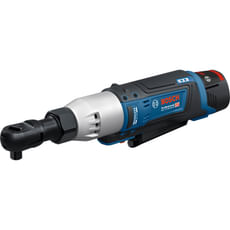
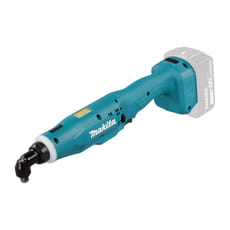
 Loading...
End of content
Error - No more pages to load
About Ratchet Wrenches
Ratchet wrenches have transformed fastening work across countless trades, combining the efficiency of a ratcheting mechanism with the convenience of cordless power. These specialised tools excel in confined spaces where traditional spanners and socket sets prove cumbersome, allowing continuous tightening or loosening without repositioning. Available in standard drive sizes of 1/4", 3/8", and 1/2", they deliver controlled torque whilst dramatically reducing user fatigue during repetitive tasks. The range at Tooled-Up.com encompasses everything from precision low-torque models for delicate electronics work through to heavy-duty variants delivering 65Nm for demanding automotive and industrial applications.
Modern cordless ratchet wrenches typically operate on 12v or 18v battery platforms, with leading manufacturers including Milwaukee, DeWalt, Makita, and Bosch Professional offering brushless motor technology for enhanced performance and runtime. The compact head designs access awkward spaces that defeat conventional impact drivers or manual ratchets, making them invaluable for automotive technicians, plant engineers, and HVAC installers. Premium models feature LED work lights for visibility in dark recesses, variable speed triggers for precise control, and reversible mechanisms for quick directional changes.
Battery compatibility represents a significant advantage, with most professional-grade ratchet wrenches integrating seamlessly into existing cordless systems like Milwaukee M12 Fuel, DeWalt XR, Makita LXT, and Bosch Professional platforms. This allows tradespeople to expand their toolkit without investing in additional battery ecosystems. Standard enclosed head designs suit most applications, whilst open head configurations available from manufacturers like DeWalt provide superior access in extremely tight spaces and compatibility with extended sockets for reaching deeply recessed fasteners.
Jargon Buster
- Drive Size: The square socket fitting dimension (1/4", 3/8", or 1/2") determining compatible socket sets. Smaller drives suit precision work with delicate fasteners, whilst larger drives handle heavy-duty applications requiring substantial torque.
- Brushless Motor: Advanced motor technology eliminating carbon brushes for greater efficiency, extended runtime, reduced maintenance, and longer tool lifespan compared to traditional brushed motors found in budget models.
- Torque (Nm): Rotational force measured in Newton-metres indicating tightening power. Low-torque models (0.5-6Nm) suit electronics and instrumentation, mid-range tools (15-30Nm) handle general mechanical work, whilst high-torque variants (50-65Nm) tackle stubborn automotive and industrial fasteners.
- Open Head Design: A ratchet wrench configuration where the head lacks full enclosure, allowing operation with extended sockets and access to particularly restricted spaces where standard enclosed heads cannot fit.
- Variable Speed Trigger: Control feature enabling speed adjustment through trigger pressure variation, providing delicate control for precision applications and maximum speed for routine fastening tasks.
- Li-ion Battery: Lithium-ion technology powering cordless ratchet wrenches, offering lightweight design, no memory effect, minimal self-discharge, and consistent power delivery throughout the charge cycle.
Who Uses Ratchet Wrenches?
- Automotive Technicians: Essential for engine bay access, underneath vehicle work, and reaching fasteners around exhaust systems and suspension components in confined spaces
- Plant Maintenance Engineers: Ideal for maintaining industrial machinery, conveyor systems, and production equipment where access proves challenging
- HVAC Installers: Perfect for assembling ducting, securing ventilation units, and working in ceiling voids with limited clearance
- Agricultural Engineers: Valuable for farm machinery maintenance on tractors, harvesters, and heavy equipment in field conditions
- Plumbers and Heating Engineers: Useful for tightening compression fittings, securing pipework brackets, and working behind appliances in restricted spaces
- Assembly Line Workers: Efficient for repetitive fastening in manufacturing environments, reducing fatigue and increasing productivity during shift work
- Motorcycle Mechanics: Excellent for accessing fasteners on bikes where space around frames and engines remains severely limited
- DIY Enthusiasts: Particularly helpful for home mechanics tackling vehicle maintenance or machinery repairs without professional workshop facilities
- Scaffolders: Handy for assembling scaffold components and securing fixings at height where manual ratchets prove awkward
How to Choose the Right Ratchet Wrenches
Voltage Platform: Consider whether 12v or 18v better suits your requirements. Compact 12v options from Milwaukee, DeWalt, and Bosch Professional offer exceptional manoeuvrability and lighter weight for prolonged overhead work, whilst 18v models deliver greater torque for demanding applications. Compatibility with existing battery platforms maximises value and convenience across your cordless tool collection.
Drive Size Selection: Match drive size to typical applications. A 1/4" drive suits precision work with smaller fasteners common in electronics or instrument assembly. The versatile 3/8" drive handles general mechanical tasks across multiple trades, whilst 1/2" drives tackle heavy-duty automotive and industrial applications requiring significant torque output.
Torque Requirements: Assess the torque range needed for your work. Models like the Makita DFL020F offering 0.5-2Nm suit delicate applications where over-tightening risks damage, mid-range options around 6-20Nm handle general fastening, whilst heavy-duty models delivering 60-65Nm from manufacturers like Makita and Milwaukee tackle stubborn fixings in automotive and machinery work.
Head Design: Standard enclosed heads offer robust protection suitable for most applications. However, open head designs like those available from DeWalt provide superior access in extremely confined spaces and allow use with extended sockets, though they sacrifice some compactness and protection.
Build Quality and Brand: Professional-grade tools from Milwaukee, DeWalt, Makita, and Bosch Professional justify premium pricing through superior durability, comprehensive warranty coverage, and reliable performance under demanding site conditions. Budget options from Einhell, Draper, and Sealey suit occasional use or less demanding applications where cost takes priority.
Additional Features: LED work lights illuminate dark engine bays and confined spaces effectively. Variable speed control provides precision for delicate work whilst maintaining full speed capability for routine tasks. Long-reach variants extend capability in deep recesses. Consider which features align with your typical working environment and specific requirements.
Popular Accessories
- Socket Sets: Comprehensive metric and imperial collections in matching drive sizes ensure coverage for any fastener encountered, from 4mm through to 32mm applications across various trades
- Extension Bars: Various lengths from 50mm to 300mm enable reaching deeply recessed fasteners whilst maintaining proper tool positioning and operator control
- Universal Joints: Enable angled access to fasteners positioned awkwardly, particularly valuable in automotive applications around engine blocks and chassis components
- Additional Battery Packs: Extra Li-ion batteries ensure uninterrupted productivity on site, with fast chargers typically replenishing capacity within 30-60 minutes for continuous operation
- Impact-Rated Sockets: Specially hardened sockets withstand additional forces and prevent cracking or splitting during high-torque applications with power tools
- Torque Adapters: Allow precise torque measurement when critical fastening specifications must be met, particularly important in automotive, aerospace, and machinery assembly
- Tool Storage Cases: Purpose-designed cases from manufacturers like Milwaukee PACKOUT, DeWalt TSTAK, and Makita MakPac protect investments during transport whilst keeping sockets organised and accessible
Safety Information
Whilst ratchet wrenches present relatively low risk compared to other power tools, proper precautions ensure injury-free operation. Always wear appropriate safety glasses to protect against falling debris when working underneath vehicles or machinery. Ensure work areas remain adequately lit, supplementing with the tool's LED light where necessary to clearly identify correct fasteners and avoid slippage.
Before commencing work, verify that sockets attach securely to prevent detachment under load, which risks injury and fastener damage. Never exceed the tool's maximum torque rating, as this damages both fastener and tool whilst potentially causing sudden slippage. When working overhead, secure the tool with a wrist strap to prevent dropping, and maintain proper footing on stable platforms rather than overreaching from ladders or scaffolding.
For automotive applications, ensure vehicles remain properly supported on axle stands rather than relying solely on jacks, which can fail catastrophically. Battery maintenance proves crucial—only use manufacturer-approved chargers and inspect batteries regularly for damage, swelling, or corrosion. Tooled-Up stocks replacement batteries and chargers across all major platforms for maintaining safe operation. Consult HSE guidance on power tool safety for comprehensive workplace requirements, particularly when operating in commercial or industrial environments where additional regulations apply.
Frequently Asked Questions
What's the difference between a ratchet wrench and an impact wrench?
Ratchet wrenches provide smooth, controlled rotation ideal for precision work and accessing confined spaces, whilst impact wrenches deliver high-torque impacts suited to heavy-duty fastening and removal. Ratchet wrenches operate more quietly, offer better control for delicate applications, and feature more compact heads for restricted access, making them complementary rather than competing tools in a professional toolkit.
Can I use my existing socket sets with cordless ratchet wrenches?
Yes, provided the drive size matches correctly. A 3/8" drive ratchet wrench accepts any standard 3/8" socket, whether from existing manual sets or purpose-bought impact-rated versions. However, ensure sockets remain in good condition without worn edges or cracks, as damaged sockets may slip or fail under power tool operation, potentially causing injury.
How long do batteries typically last on a single charge?
Runtime varies considerably based on torque settings, fastener resistance, and battery capacity. A 2.0Ah battery might deliver 100-150 fastening operations under moderate load, whilst a 5.0Ah battery could achieve 400+ operations. Professional users typically maintain multiple batteries, rotating them through a fast charger to ensure continuous productivity throughout the working day without downtime.
Are 12v models powerful enough for automotive work?
Modern 12v ratchet wrenches from Milwaukee, DeWalt, and Bosch deliver impressive torque figures sufficient for most automotive applications, typically 40-60Nm. They excel at engine bay work, interior trim fasteners, and general mechanical assembly. However, for stubborn wheel nuts, suspension bolts, or heavy commercial vehicle applications, an 18v model or dedicated impact wrench provides greater capability and reduced working time.
Do I need different torque ranges for different applications?
Many professionals maintain multiple ratchet wrenches with different torque ranges for optimal results. Low-torque models (0.5-6Nm) suit electronics, instrumentation, and delicate assembly work where over-tightening risks component damage. Mid-range tools (15-30Nm) handle general mechanical fastening across various trades, whilst high-torque versions (50-65Nm) tackle automotive and industrial applications. This approach ensures optimal tool selection for each specific task, improving efficiency and reducing fastener damage.