

Rawhide Hammers

Pay in 3 interest-free payments on purchases from £20-£3000 with  . Learn more.
 Loading...
End of content
Error - No more pages to load
About Rawhide Hammers
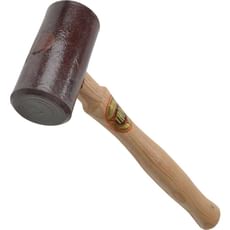
Rawhide hammers are specialised soft-faced striking tools designed to deliver controlled force without damaging delicate workpieces or finished surfaces. Unlike traditional steel hammers, rawhide hammers feature heads made from compressed layers of untanned animal hide, creating a firm yet forgiving striking surface that absorbs shock and minimises rebound. These hammers are essential for precision work in automotive assembly, engineering, woodworking, and metalworking applications where protecting the integrity of components is paramount.
The rawhide faces on these hammers provide an ideal balance between delivering sufficient striking force and preventing marring, denting, or bruising of materials such as machined metals, polished surfaces, and precision-engineered components. Rawhide is naturally harder than rubber or plastic yet softer than metal, making it perfect for assembly tasks, fitting bearings, adjusting machinery, and driving components into position during maintenance and repair operations. The faces are typically replaceable, extending the working life of the tool significantly.
The selection available from Tooled-Up.com includes various head weights and handle configurations from trusted manufacturers like Thor, allowing tradespeople to match the tool precisely to their specific requirements. From lighter mallets suited to delicate assembly work through to heavier striking tools for automotive applications, rawhide hammers remain indispensable in any professional toolkit where controlled, damage-free striking is required.
Jargon Buster
- Rawhide Face: The striking surface made from compressed layers of untanned animal hide, providing a firm but non-marring impact that protects workpiece surfaces from damage.
- Soft-Faced Hammer: A category of hammers featuring non-metal striking surfaces such as rawhide, copper, rubber, or plastic, designed to prevent surface damage during striking operations.
- Replaceable Face: Rawhide striking surfaces that can be removed and replaced when worn, extending the hammer's service life and maintaining consistent performance throughout years of use.
- Malleable Iron Head: The metal core of combination hammers that holds interchangeable faces securely in place whilst providing the necessary mass for effective striking force.
- Dead Blow: The characteristic of rawhide that minimises rebound after striking, reducing user fatigue and improving control by keeping the hammer in contact with the workpiece longer.
- Wedge-Type Handle: Traditional wooden handle attachment method where a wedge is driven into the handle end to secure it firmly within the hammer head, providing a reliable and repairable connection.
Who Uses Rawhide Hammers?
- Motor Mechanics and Automotive Technicians: For fitting bearings, adjusting components, and assembly work without damaging machined surfaces or threaded parts
- Precision Engineers: When working with precision-machined components, jigs, and fixtures that require careful manipulation without surface marking
- Manufacturing and Assembly Workers: For production line assembly tasks where components must be fitted together without cosmetic or structural damage
- Maintenance Engineers: During equipment servicing, adjustment, and repair operations where protective striking is essential
- Furniture Makers and Joiners: For assembly of fine furniture and cabinetry where wood surfaces must remain unmarked
- Metalworkers and Fabricators: When forming, adjusting, or fitting metal components that have finished or polished surfaces
- Jewellers and Watchmakers: Using smaller rawhide mallets for delicate forming and assembly work on precious materials
- DIY Enthusiasts: Undertaking home improvement, automotive restoration, or furniture assembly projects requiring careful striking
How to Choose the Right Rawhide Hammers
Head Weight: Select the appropriate mass for your application. Lighter hammers (300-500g) suit delicate assembly and precision work, whilst heavier options (up to 1.5kg) provide more force for automotive and heavy engineering tasks. Consider the energy required to seat components without excessive striking.
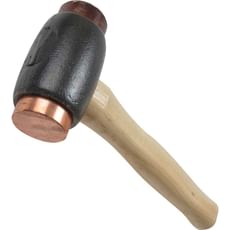
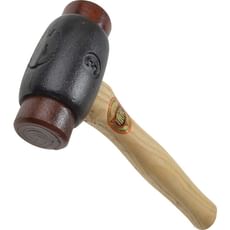
Face Configuration: Rawhide hammers are available with single rawhide faces or combination designs featuring rawhide on one side and copper, plastic, or rubber on the other. Combination hammers like those from Thor offer versatility for varied tasks, whilst pure rawhide models provide consistent characteristics across both faces.
Handle Material and Length: Traditional wooden handles offer excellent shock absorption and comfortable grip, though fibreglass alternatives provide increased durability. Handle length affects striking force and control—shorter handles suit confined spaces and precision work, whilst longer handles generate greater momentum for heavier striking.
Face Replaceability: Consider whether replacement faces are readily available, as rawhide wears with use. Hammers with easily sourced replacement faces from established brands at Tooled-Up offer better long-term value and sustained performance throughout their working life.
Build Quality: Examine the head construction and handle attachment method. Malleable iron heads resist cracking under repeated use, whilst properly fitted wedge-type handles provide reliable, long-lasting connections that can be tightened or replaced if necessary.
Application Requirements: Match the tool to your specific trade requirements. Automotive work typically demands medium to heavy weights, precision engineering favours lighter tools with excellent balance, and general maintenance benefits from mid-weight combination hammers offering maximum versatility.
Popular Accessories
- Replacement Rawhide Faces: Keep spare faces available to maintain optimal performance as striking surfaces wear through regular use
- Tool Belts and Pouches: Convenient carry solutions from brands like Snickers and DeWalt for keeping hammers accessible during assembly or maintenance work
- Workbenches and Vices: Essential work-holding equipment that complements hammer use during assembly and fitting operations
- Copper and Brass Hammers: Complementary soft-faced striking tools for applications requiring different material characteristics
- Punch and Drift Sets: Often used alongside rawhide hammers for precise component alignment and bearing installation
- Engineers' Squares and Measuring Tools: Precision layout equipment from brands like Bahco for accurate component positioning before striking
- Safety Glasses and Work Gloves: Personal protective equipment essential for safe hammer operation in professional environments
- Tool Storage Solutions: Organised storage systems from Stanley FatMax, DeWalt TSTAK, or Milwaukee PACKOUT to protect tools and maintain workshop efficiency
Safety Information
Eye Protection: Always wear appropriate safety glasses when using hammers, as striking can occasionally dislodge small particles from workpieces or tools. This is particularly important when working with bearings, bushings, or components under tension.
Handle Inspection: Regularly check wooden handles for cracks, splits, or looseness. A damaged handle can fail during use, creating a significant safety hazard. Tighten wedges or replace handles as necessary to maintain secure head attachment.
Face Condition: Inspect rawhide faces before each use. Severely worn or damaged faces should be replaced immediately, as they may slip during striking or fail to provide adequate protection for workpieces. Worn faces also reduce striking efficiency and control.
Proper Technique: Grip the handle firmly near its end for maximum control and striking efficiency. Ensure a clear, unobstructed swing path and maintain awareness of hand placement on both the hammer and workpiece to prevent trapped fingers or accidental strikes.
Work Area: Maintain a clean, well-organised workspace compliant with HSE guidelines. Secure workpieces properly before striking to prevent movement, and ensure adequate lighting for precise hammer placement and accurate striking.
Frequently Asked Questions
How long do rawhide hammer faces last?
Face longevity depends on usage intensity and striking surfaces, but rawhide faces typically provide months or years of service in professional environments. Regular inspection helps determine when replacement is necessary. The replaceable nature of rawhide faces makes these hammers economical long-term investments, as only the worn face requires replacement rather than the entire tool.
Can rawhide hammers be used on hardened steel?
Yes, rawhide hammers are suitable for striking hardened steel components without surface damage. The rawhide face absorbs impact energy whilst protecting both the hammer and workpiece. However, for very heavy striking on hardened materials, consider whether a heavier hammer or alternative soft-faced tool might be more appropriate.
What's the difference between rawhide and rubber mallets?
Rawhide is significantly firmer than rubber, providing more controlled striking force with less bounce-back. Rawhide suits precision engineering and automotive work where accurate force application matters, whilst rubber mallets are better for applications requiring maximum surface protection with less concern for precise force delivery, such as assembling laminate flooring or adjusting sheet metal.
How do I replace worn rawhide faces?
Most rawhide hammers feature threaded faces that simply unscrew from the head. Remove the worn face, clean the threads, and screw on the replacement, ensuring it's tightened securely before use. Some designs may require gentle heating to ease removal of stubborn faces. Replacement faces for popular brands like Thor are readily available at Tooled-Up.
Are combination hammers with rawhide and copper faces more versatile?
Combination hammers offer excellent versatility by providing two different striking characteristics in one tool. The rawhide face suits general assembly and maintenance work, whilst the copper face provides slightly harder striking for stubborn components whilst remaining non-sparking and relatively soft compared to steel. This makes combination hammers particularly popular among motor mechanics and maintenance engineers.