

RCD Adaptors
Pay in 3 interest-free payments on purchases from £30-2000 with  . Learn more.
 Loading...
End of content
Error - No more pages to load
About RCD Adaptors
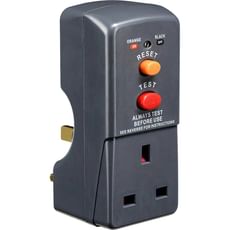
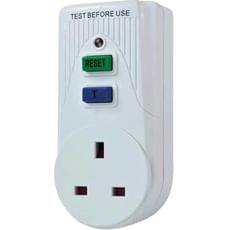
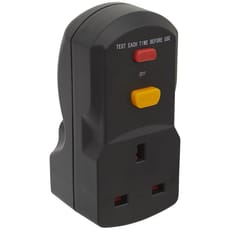
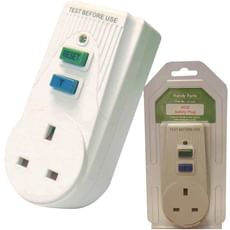
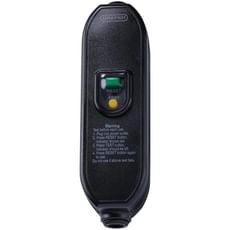
RCD adaptors, or Residual Current Device adaptors, are essential electrical safety devices that provide portable protection against electric shock and electrocution. These compact units plug directly into standard 240v UK mains sockets and create a protected outlet for power tools, garden equipment, and other electrical appliances. By continuously monitoring the electrical current flowing through a circuit, RCD adaptors can detect even tiny imbalances that indicate a fault or leakage to earth, disconnecting the power supply within milliseconds to prevent serious injury or death.
The range available from Tooled-Up.com includes both standard indoor RCD adaptors and weatherproof IP66-rated models suitable for outdoor applications. Unlike fixed RCD protection installed in consumer units, these portable adaptors offer flexible protection wherever needed – particularly valuable when working away from the workshop, on sites with older electrical installations, or when using equipment outdoors. Modern RCD adaptors typically feature trip currents of 30mA and response times under 40 milliseconds, meeting UK safety standards for personal protection.
Whether for professional tradespeople working on construction sites, gardeners using electric hedge trimmers and lawn equipment, or DIY enthusiasts undertaking home improvements, RCD adaptors provide an affordable and portable layer of electrical safety. They're especially important when using power tools in damp conditions, working outdoors, or operating equipment near water features where the risk of electric shock is significantly elevated.
Jargon Buster
- RCD (Residual Current Device): A life-saving electrical safety device that instantly cuts power when it detects an imbalance between the live and neutral currents, indicating electricity is flowing through an unintended path such as through a person or to earth.
- Trip Current (Sensitivity): The threshold at which an RCD will disconnect the power supply, typically 30mA for personal protection. This means if a current imbalance of 30 milliamps or greater is detected, the device will trip within milliseconds.
- IP Rating: Ingress Protection rating that indicates how well an electrical device is protected against dust and moisture. An IP66 rating means the adaptor is completely dust-tight and protected against powerful water jets, making it suitable for outdoor use.
- In-Line RCD: An RCD adaptor that sits between the mains plug and the appliance, providing portable protection without requiring permanent installation in a consumer unit or socket.
- Nuisance Tripping: When an RCD disconnects power due to normal operating characteristics of certain equipment rather than a genuine fault, often caused by appliances with high earth leakage currents.
- Test Button: A feature on all RCD adaptors that simulates a fault condition to verify the device is functioning correctly. Should be tested regularly, ideally before each use.
Who Uses RCD Adaptors?
- Electricians and Electrical Contractors: For portable protection when testing and working on electrical installations, particularly on older properties without modern RCD protection.
- Gardeners and Groundskeepers: Essential when operating electric lawn mowers, hedge trimmers, strimmers, and pressure washers outdoors where exposure to moisture increases electrical hazards.
- Builders and Construction Workers: For powering tools on building sites, especially during the early stages before permanent electrical protection is installed.
- Carpenters and Joiners: When using electric saws, sanders, routers, and other power tools, particularly in damp conditions or outdoor locations.
- Property Maintenance Teams: For safe operation of equipment when carrying out repairs and maintenance work across multiple locations with varying electrical installations.
- DIY Enthusiasts and Homeowners: Providing extra protection during home improvement projects, garden maintenance, and when using power tools outside the protection of modern consumer units.
- Pond and Water Feature Installers: Critical safety equipment when installing and maintaining electric pumps, filters, and lighting near water.
- Cleaning Contractors: When using carpet cleaners, pressure washers, and other electrical cleaning equipment in various locations.
How to Choose the Right RCD Adaptors
Indoor vs Outdoor Use: Determine where you'll primarily use the adaptor. For outdoor applications, garden work, or anywhere exposed to weather, select an IP66-rated weatherproof model. Standard adaptors are suitable for indoor workshop and domestic use but lack protection against moisture ingress.
Trip Current Rating: For personal protection, a 30mA trip current is standard and suitable for most applications involving handheld tools and equipment. This sensitivity level provides optimal protection against electric shock while minimising nuisance tripping from normal equipment operation.
Current Capacity: Check the maximum load rating, typically 13A for standard UK plug-in adaptors. Ensure this exceeds the current draw of your intended equipment. Most power tools operate well within this limit, but high-demand appliances may require alternative protection methods.
Response Time: Quality RCD adaptors should trip within 40 milliseconds at rated current. Faster response times provide better protection, with some premium models reacting in under 30ms. Tooled-Up stocks adaptors from trusted manufacturers including Draper, Faithfull, Sealey, and Masterplug, all meeting UK safety standards.
Build Quality and Certification: Look for adaptors complying with BS EN 61540 or equivalent standards. Robust housings, clear indicator lights, and easily accessible test and reset buttons indicate quality construction. Check for CE and UKCA markings confirming regulatory compliance.
Portability Requirements: Consider size and weight if you'll frequently transport the adaptor between locations. Some models feature compact designs ideal for toolboxes, while others prioritise durability with more substantial housings.
Popular Accessories
- Extension Leads: Outdoor-rated extension cables with weatherproof sockets to extend reach while maintaining RCD protection throughout the circuit.
- Socket Testers: Electrical testing devices to verify correct wiring of sockets before connecting RCD adaptors and valuable equipment.
- Cable Reels: Heavy-duty cable reels for convenient power distribution on sites and gardens, particularly models with built-in RCD protection for double safety.
- Waterproof Socket Covers: Additional weatherproofing for connections when using standard RCD adaptors in covered outdoor areas.
- Tool Storage Solutions: Protective cases and toolboxes to transport RCD adaptors safely alongside power tools and equipment.
- Power Distribution Units: Multi-socket adaptors and distribution blocks for powering multiple tools from a single RCD-protected source.
- Portable PAT Testing Equipment: For tradespeople who need to verify electrical safety of tools and equipment alongside RCD protection.
Safety Information
Regular Testing: Always test RCD adaptors before use by pressing the test button. The device should immediately cut power and require resetting. If it fails to trip, discontinue use immediately and replace the unit. Monthly testing is recommended even when not in regular use.
Not a Substitute for Safe Practices: RCD adaptors significantly reduce electrical risks but don't eliminate them entirely. Always inspect power tools for damage, avoid using electrical equipment in heavy rain, and never bypass or disable RCD protection.
Water Exposure Limits: Even IP66-rated adaptors must not be submerged in water. They're designed to withstand rain and splashing but aren't suitable for underwater applications. Keep connections clear of standing water and puddles.
Load Limitations: Never exceed the rated current capacity of your RCD adaptor. Overloading can cause overheating and may prevent proper RCD operation during fault conditions. Check appliance ratings before connection.
Damage and Wear: Inspect RCD adaptors regularly for cracks, damaged pins, or worn cables. Even minor damage can compromise safety. Replace any damaged units immediately – RCD adaptors are safety-critical devices where reliability is paramount.
HSE Compliance: For professional use on construction sites, ensure RCD protection meets HSE requirements. The Health and Safety Executive mandates RCD protection for 240v equipment used outdoors or in damp environments on construction sites.
Frequently Asked Questions
Do I need an RCD adaptor if my house has RCD protection in the consumer unit?
While modern consumer units typically include RCD protection, a portable RCD adaptor provides additional safety when working outdoors, in garages on separate circuits, or when using equipment at other locations. It's particularly valuable for tradespeople working across multiple sites with varying electrical installations. Many older properties still lack comprehensive RCD protection, making portable adaptors essential for safe power tool use.
How often should I test my RCD adaptor?
Test your RCD adaptor before each use, especially if it's been unused for any period. Press the test button to verify it trips correctly and requires resetting before power is restored. For equipment in regular daily use, weekly testing is advisable. If an RCD adaptor fails to trip during testing or trips repeatedly during normal use, replace it immediately.
Can I use multiple RCD adaptors in series for extra protection?
Using multiple RCD adaptors in series isn't recommended and can cause nuisance tripping or discrimination issues where both devices attempt to operate simultaneously. A single quality 30mA RCD adaptor provides adequate protection for personal safety. If you need to power multiple tools, use a single RCD adaptor with an appropriate extension lead or distribution block.
What's the difference between an RCD adaptor and a circuit breaker?
RCD adaptors protect against electric shock by detecting current leakage to earth, tripping within milliseconds when imbalances occur. Circuit breakers (MCBs) protect against overload and short circuits but don't detect earth leakage. Both serve different protective functions – you need RCD protection specifically to safeguard against electrocution risks, particularly in outdoor and damp environments.
Are RCD adaptors suitable for use with generators?
Yes, RCD adaptors work effectively with generators and provide essential protection when using portable generators on site work or outdoor events. Since generator-powered circuits may lack the fixed RCD protection of mains electrical installations, portable RCD adaptors become even more important. Ensure your generator produces stable 240v output for reliable RCD operation.