

Rebar Drill Bits

Pay in 3 interest-free payments on purchases from £20-£3000 with  . Learn more.
 Loading...
End of content
Error - No more pages to load
About Rebar Drill Bits
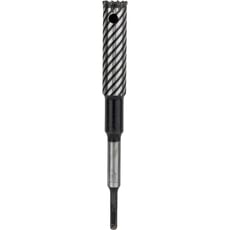
Rebar drill bits represent a specialised category of drilling equipment designed to tackle one of the most challenging tasks in construction: drilling through reinforced concrete. When standard masonry bits encounter steel reinforcement bars (rebar) embedded in concrete, they quickly become damaged or fail completely. Rebar drill bits feature reinforced carbide teeth and heat-resistant construction that allows them to cut directly through both the concrete and the steel reinforcement without dulling or breaking, eliminating the need to abandon holes or relocate drilling positions.
These innovative drill bits are engineered with substantially stronger carbide cutting edges that are specifically shaped and positioned to handle the dual demands of masonry drilling and metal cutting. The advanced tooth geometry disperses heat more effectively whilst maintaining aggressive cutting performance through rebar up to 12mm in diameter. Compatible with SDS Plus rotary hammer drills, rebar drill bits from manufacturers like Bosch Professional deliver long-lasting performance on demanding construction sites where reinforced concrete is standard.
The range available at Tooled-Up.com includes professional-grade rebar cutters that eliminate the frustration and wasted time associated with hitting unexpected reinforcement. Rather than switching to alternative drilling methods or relocating anchor points, tradespeople can drill straight through with confidence, maintaining productivity and meeting installation deadlines even when working with heavily reinforced structural concrete.
Jargon Buster
- Rebar (Reinforcement Bar): Steel bars or mesh embedded within concrete structures to provide tensile strength and prevent cracking. Typically ranges from 6mm to 25mm diameter in residential and commercial construction.
- SDS Plus: A quick-change chuck system developed for rotary hammer drills, allowing rapid bit changes without additional tools. The shank features grooves that lock securely into the chuck whilst permitting the hammering action required for masonry drilling.
- Carbide Teeth: Extremely hard cutting edges made from tungsten carbide, a compound significantly harder than standard high-speed steel. Essential for cutting through both concrete aggregate and steel reinforcement without rapid wear.
- Heat Resistance: The ability of a drill bit to maintain its hardness and cutting performance when subjected to the extreme temperatures generated by cutting through steel rebar at high speed.
- Reinforced Concrete: Concrete that has been strengthened with embedded steel reinforcement, combining concrete's compressive strength with steel's tensile properties to create structural elements capable of bearing significant loads.
Who Uses Rebar Drill Bits?
- General Builders and Construction Workers: Installing fixings, brackets, and anchors into reinforced concrete walls, floors, and ceilings on renovation and new-build projects
- Electricians: Drilling through reinforced concrete to install cable runs, conduit supports, and electrical boxes in commercial and industrial buildings
- Plumbers and Heating Engineers: Creating penetrations for pipework, radiator brackets, and boiler installations in modern concrete structures
- Shopfitters and Joiners: Fixing frameworks, partitions, and fitted furniture to reinforced concrete substrates in retail and commercial fit-outs
- HVAC Installers: Mounting air conditioning units, ventilation equipment, and ductwork supports to structural concrete
- Signage Installers: Securing external and internal signage systems to reinforced concrete facades and structural walls
- Scaffolders: Installing fixed anchor points and tie-ins to reinforced concrete buildings
How to Choose the Right Rebar Drill Bits
Shank Type Compatibility: Ensure the drill bit matches your rotary hammer drill's chuck system. Most rebar drill bits feature SDS Plus shanks suitable for medium-duty rotary hammers, which are the standard choice for tradespeople working with reinforced concrete up to 24mm diameter holes.
Diameter Requirements: Select bit diameters that match your fixing requirements. Common sizes range from 6mm to 16mm for standard anchor installations, with larger diameters available for substantial fixings. Consider purchasing a set covering frequently used sizes to maintain productivity without tool changes.
Working Length: Consider the thickness of concrete you'll be penetrating. Standard working lengths suit most applications, but deep embedment anchors or thick structural walls may require extended-length bits. Account for the drilling depth required plus sufficient clearance for dust removal.
Rebar Cutting Capacity: Professional rebar drill bits typically handle reinforcement bars up to 12mm diameter effectively. If you regularly encounter heavier reinforcement, verify the bit's rated capacity before purchase to avoid premature wear or failure.
Brand Quality: Professional-grade bits from established manufacturers like Bosch Professional deliver superior longevity and consistent performance compared to budget alternatives. The selection at Tooled-Up includes proven brands that tradespeople rely on for demanding site work where reliability is essential.
Heat Dissipation: Quality rebar drill bits incorporate design features that manage heat build-up during cutting. Look for bits with optimised flute geometry that evacuates dust efficiently whilst allowing cooling, particularly important for sustained drilling in heavily reinforced concrete.
Popular Accessories
- SDS Plus Rotary Hammer Drills: Essential power tools for operating rebar drill bits, available from Makita, DeWalt, Milwaukee, and Bosch with varying power outputs and features
- Standard SDS Plus Masonry Bits: For general concrete drilling where rebar isn't anticipated, offering faster drilling speeds in unreinforced areas
- Drill Bit Sets: Multi-diameter collections providing comprehensive coverage for varied fixing requirements
- Depth Stops and Gauges: Ensure accurate drilling depth for anchor installations and prevent over-drilling
- Vacuum Dust Extraction Attachments: Reduce airborne silica dust in compliance with HSE regulations when drilling concrete
- Heavy-Duty Anchors and Fixings: Chemical anchors, expansion bolts, and resin systems designed for secure fixing into reinforced concrete
- Safety Equipment: Dust masks, safety goggles, ear defenders, and work gloves essential for concrete drilling operations
- Drill Bit Storage Cases: Protect carbide cutting edges and keep bits organised on-site
Safety Information
Respiratory Protection: Drilling concrete generates respirable crystalline silica dust, a serious health hazard linked to silicosis and lung disease. Always use appropriate RPE (respiratory protective equipment) rated FFP3 as minimum, or preferably employ on-tool dust extraction systems to capture dust at source in compliance with HSE guidance.
Eye Protection: Wear safety glasses or goggles rated to BS EN 166 to protect against concrete fragments, steel particles, and dust. When drilling overhead, use full-face protection to prevent debris entering eyes.
Hearing Protection: Rotary hammer drills generate noise levels exceeding 85dB, requiring hearing protection under HSE regulations. Use ear defenders or plugs rated for construction environments during extended drilling operations.
Electrical Safety: When drilling into reinforced concrete, there's risk of encountering embedded services. Use a cable and pipe detector before drilling, and ensure 240v power tools are PAT tested and connected via RCD protection to prevent electric shock if cables are struck.
Bit Security: Verify the drill bit is correctly seated in the SDS chuck before operation. A partially engaged bit may eject during use, causing injury. Regularly inspect chuck mechanisms for wear that could compromise bit retention.
Heat Management: Rebar drill bits generate significant heat when cutting steel reinforcement. Allow bits to cool naturally after intensive use and never touch immediately after drilling. Avoid cooling hot bits in water as thermal shock can cause carbide teeth to crack.
Frequently Asked Questions
Can I use standard masonry bits to drill through rebar?
No, standard masonry drill bits will be damaged or destroyed when they encounter steel reinforcement. The carbide teeth aren't designed to cut metal and will quickly dull or chip. Rebar drill bits feature specially reinforced carbide teeth with geometry designed to cut both concrete and steel, making them essential when working with reinforced concrete where you may hit rebar unexpectedly.
How do I know if I've hit rebar whilst drilling?
You'll notice a sudden change in drilling resistance, often accompanied by sparks, a metallic grinding sound, and significantly slower penetration. Standard bits will stop progressing or begin to chatter violently. If you're using a conventional masonry bit and suspect you've hit rebar, stop immediately and switch to a rebar-cutting bit to avoid damaging your equipment.
What size rebar can these drill bits cut through?
Professional rebar drill bits typically cut through steel reinforcement bars up to 12mm diameter, which covers the majority of rebar encountered in residential and commercial construction. Some heavy-duty variants handle larger reinforcement, but drilling through rebar exceeding 12mm may require multiple passes or alternative methods depending on the bit specification.
How long do rebar drill bits last compared to standard masonry bits?
Whilst rebar drill bits cost more initially, they offer exceptional value when working with reinforced concrete. A quality rebar bit can cut through steel reinforcement multiple times whilst maintaining effectiveness for general masonry drilling. However, lifespan depends heavily on usage intensity, rebar diameter encountered, and drilling technique. Allowing bits to cool between intensive drilling sessions and using appropriate drilling speed extends service life significantly.
Do I need a special drill to use rebar drill bits?
Rebar drill bits require an SDS Plus rotary hammer drill rather than a standard combi drill. The hammering action combined with rotation is essential for effective concrete penetration, and the SDS chuck system handles the increased stress of cutting through steel reinforcement. Most professional tradespeople working with concrete already own suitable rotary hammers from manufacturers like Makita, Milwaukee, DeWalt, or Bosch, all available from Tooled-Up.