

Rebater Bits
Pay in 3 interest-free payments on purchases from £30-2000 with  . Learn more.
 Loading...
End of content
Error - No more pages to load
About Rebater Bits
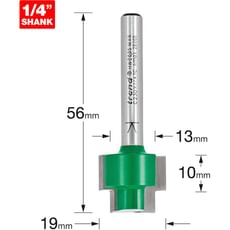
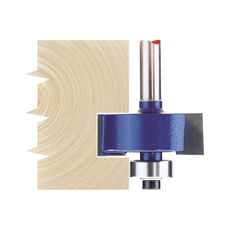
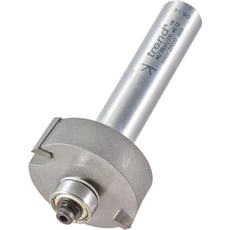
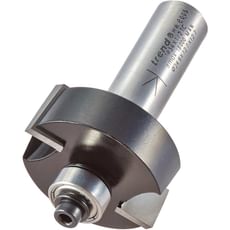
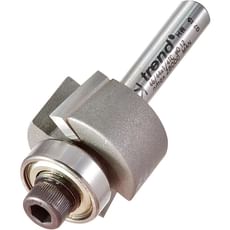
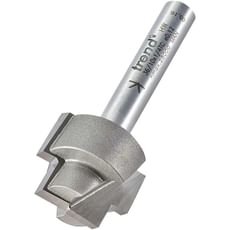
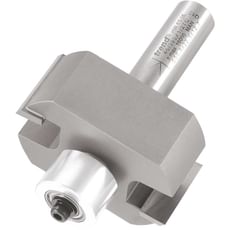
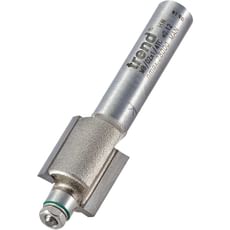
Rebater bits are specialised router cutters designed to create precise rebates (also known as rabbets) along the edges of timber and other materials. These bearing-guided cutters enable woodworkers to produce clean, accurate stepped recesses commonly required for cabinet backs, glass panel inserts, picture frames, and joinery work. The bearing guide runs along the workpiece edge, ensuring consistent depth and a professional finish on both straight and curved profiles.
The selection available at Tooled-Up.com includes various configurations from trusted manufacturers like Trend and Draper, featuring tungsten carbide tipped (TCT) cutting edges for extended tool life and superior performance. Rebater bits typically come with interchangeable bearings that allow users to adjust the rebate width without changing the bit itself, making them exceptionally versatile for different applications. From miniature rebaters suitable for delicate instrument-making to large-capacity cutters for substantial joinery projects, these router bits are essential components in any professional or serious hobbyist's toolkit.
Most rebater bits feature either 1/4" or 1/2" shanks to suit different router collet sizes, with bearing assemblies mounted either above or below the cutter. Stepped rebate cutters offer even greater flexibility by creating two rebate depths in a single operation, whilst template profilers combine rebating with pattern-following capabilities for more complex work.
Jargon Buster
- TCT (Tungsten Carbide Tipped): Router bits with extremely hard cutting edges brazed onto a steel body, providing superior wear resistance and the ability to cut abrasive materials whilst maintaining sharpness far longer than high-speed steel alternatives.
- Bearing Guide: A precision ball-bearing assembly mounted on the bit that runs against the workpiece edge or template, controlling the cutting depth and ensuring consistent rebate width throughout the operation.
- Rebate/Rabbet: A stepped rectangular recess cut along the edge of timber, typically used to accommodate panel backs, glass, or to create overlap joints in cabinetry and box construction.
- Shank Diameter: The cylindrical portion of the router bit that fits into the router's collet, commonly available in 1/4" (6.35mm) or 1/2" (12.7mm) sizes, with larger shanks providing greater stability for heavy-duty cutting operations.
- Interchangeable Bearings: Swappable bearing assemblies of different diameters that alter the rebate width without requiring a complete bit change, offering multiple cutting dimensions from a single cutter investment.
- Profile Following: The ability of bearing-guided bits to track curved or shaped edges accurately, maintaining consistent rebate depth around complex profiles including arches, circles, and decorative mouldings.
Who Uses Rebater Bits?
- Joiners and Cabinet Makers: Creating recesses for cabinet backs, drawer bottoms, and panel inserts in bespoke furniture and fitted joinery projects
- Shopfitters: Installing display cabinets, shelving systems, and retail fixtures requiring precise rebates for glass panels and backing boards
- Window and Door Manufacturers: Machining rebates for glazing beads, weather seals, and architrave applications in timber joinery production
- Picture Framers: Creating accurate rebates to accommodate artwork, glass, and backing materials in custom frame construction
- Musical Instrument Makers: Producing delicate purfling channels and decorative inlay rebates in guitars, violins, and other wooden instruments
- Restoration Specialists: Replicating traditional joinery details and replacing damaged rebates in period furniture and architectural woodwork
- DIY Enthusiasts: Tackling home improvement projects including bookcase construction, wardrobe fitting, and general carpentry requiring professional-quality rebating
How to Choose the Right Rebater Bits
Shank Size Compatibility: Ensure the bit shank matches your router's collet capacity. Handheld routers typically accept 1/4" shanks, whilst more powerful machines and router tables accommodate 1/2" shanks offering superior rigidity and reduced vibration during cutting operations.
Cutting Diameter and Depth: Consider the maximum rebate dimensions required for your applications. Tooled-Up stocks mini rebaters for delicate work through to large-capacity cutters for substantial joinery. Check both the cutting depth and maximum rebate width specifications against your project requirements.
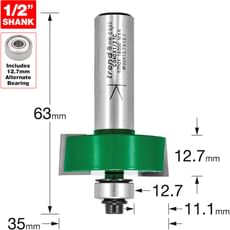
Bearing Configuration: Evaluate whether you need a single fixed bearing or a set with interchangeable bearings. Rebate sets provide exceptional value by including multiple bearing sizes, allowing adjustment of rebate width from a single cutter—ideal for varied workshop applications.
Material Compatibility: TCT cutters handle softwoods, hardwoods, MDF, chipboard, and plywood effectively. For frequent use in abrasive manufactured boards, prioritise premium-grade carbide for extended tool life and consistent cutting performance.
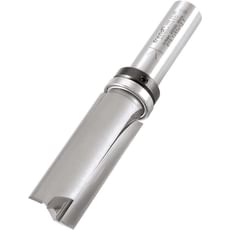
Application Type: Standard rebaters suit general joinery, whilst stepped rebate cutters create dual-depth profiles in single passes—perfect for bookcase strips and adjustable shelving systems. Template profilers combine rebating with pattern-following for more specialised applications.
Brand Quality: Professional-grade brands like Trend offer precision-ground cutting edges, balanced construction, and reliable bearing assemblies that deliver cleaner cuts and longer service life compared with economy alternatives.
Popular Accessories
- Router Tables: Provide stable, accurate platforms for rebating operations, particularly beneficial when working with smaller components or achieving consistent results across multiple identical pieces
- Guide Bushes and Template Sets: Enable pattern routing when used alongside template profiler rebate cutters for reproducing complex shapes accurately
- Replacement Bearings: Spare and alternative diameter bearings extend the versatility of existing rebater bits and ensure continuous operation if bearings wear
- Router Collet Extensions: Allow deeper cutting reach when working with thicker materials or creating rebates further from the workpiece edge
- Dust Extraction Adaptors: Connect routers to workshop vacuum systems, maintaining clear sight lines and healthier working conditions during extended routing sessions
- Digital Callipers: Essential for accurately measuring rebate dimensions and verifying bearing sizes when setting up cuts
- Router Bit Storage Cases: Protect expensive TCT cutters from damage and keep bearing-guided bits organised and readily accessible
Safety Information
Personal Protective Equipment: Always wear safety glasses or a full face shield when routing, as high-speed cutting generates airborne debris. Use hearing protection with routers operating at sustained high RPM, and wear a dust mask or connect suitable extraction equipment to minimise exposure to wood dust—a substance listed under COSHH regulations.
Bit Installation: Ensure the router is disconnected from the 240v mains supply before installing or changing bits. Insert the shank fully into the collet, then withdraw approximately 2mm before tightening to prevent bottoming out. Verify the bearing spins freely and check that all components are secure before operation.
Correct Routing Direction: Feed workpieces against the cutter rotation on router tables, and move handheld routers left-to-right when viewing the workpiece edge. Incorrect feed direction can cause dangerous snatching and loss of control.
Speed Settings: Consult the bit manufacturer's recommendations for maximum safe RPM, particularly with larger diameter cutters. Excessive speed can cause overheating, premature wear, and potential cutter failure.
Workpiece Security: Always clamp workpieces securely before routing operations. Never attempt to rebate small components held only by hand, and use push sticks or featherboards when working on router tables to maintain safe hand distance from the cutter.
Frequently Asked Questions
Can I adjust the rebate width without buying multiple bits?
Yes, rebate sets include interchangeable bearings of different diameters that alter the cutting width. By fitting a smaller bearing, you increase the rebate width as more of the cutter engages with the workpiece. This makes bearing-guided rebate sets exceptionally economical for workshops requiring varied rebate dimensions.
What's the difference between bearing-guided and fence-guided rebating?
Bearing-guided rebaters follow the workpiece edge—including curves and shaped profiles—whilst fence-guided setups on router tables work only with straight edges. Bearing guidance offers greater versatility for furniture makers and joiners working with decorative profiles, though fence guidance can provide superior accuracy for repetitive straight-edge production work.
How do I achieve clean rebates without tear-out?
Make multiple shallow passes rather than attempting full depth in one cut, particularly with deeper rebates or hard timbers. Ensure your TCT cutter is sharp, maintain appropriate router speed, and feed at a steady pace—too slow causes burning whilst excessive speed promotes tear-out. Routing across end grain benefits from scoring cuts or backing boards to prevent breakout.
Can rebater bits be used in both handheld routers and router tables?
Absolutely. Most rebater bits perform excellently in both applications. Router tables offer advantages for smaller workpieces and production runs, whilst handheld routing suits larger panels and site work. Ensure adequate dust extraction regardless of setup, and verify the bit's maximum safe RPM matches your router's speed settings.
How often should bearings be replaced on rebate cutters?
Replace bearings when you notice roughness, excessive play, or if they stop spinning freely. Regular cleaning removes resin build-up that can seize bearings prematurely. Quality bearings from manufacturers like Trend typically last through extensive use, but replacement bearings are readily available at Tooled-Up.com when required, extending the operational life of premium router cutters considerably.