
Replacement Chains for Electric Loppers

Pay in 3 interest-free payments on purchases from £20-£3000 with  . Learn more.
Loading...
End of content
Error - No more pages to load
About Replacement Chains for Electric Loppers
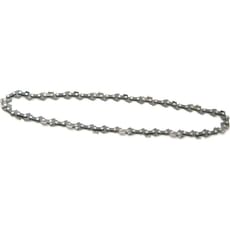
Replacement chains for electric loppers are essential consumable components that ensure your alligator saws and electric loppers continue to deliver clean, efficient cuts through branches, logs, and green wood. These specialised chains are designed specifically for electric lopping tools, which differ from traditional chainsaw chains in their tooth configuration and cutting action. When your existing chain becomes blunt, damaged, or worn beyond effective use, a replacement chain restores your tool to optimal performance without the expense of purchasing an entirely new unit.
Electric loppers, often referred to as alligator saws due to their distinctive jaw-like cutting action, are popular among gardeners, arborists, and grounds maintenance professionals for their ease of use and 240v powered convenience. The chains fitted to these tools experience significant wear during regular use, particularly when cutting through hard or dirty wood. At Tooled-Up.com, replacement chains are available for leading brands, ensuring compatibility with popular models and delivering the same cutting performance as the original equipment.
Maintaining a spare replacement chain is considered good practice among professional users, as it minimises downtime when a chain needs replacement mid-job. The chains are typically supplied ready to fit, with the correct number of links and drive configuration for specific lopper models, making replacement straightforward even for less experienced users.
Jargon Buster
- Alligator Saw: A type of electric lopper with a distinctive jaw-like cutting action, where two guide bars with chains close together to cut through material, resembling an alligator's mouth.
- Chain Pitch: The distance between drive links on the chain, measured in inches. This must match your lopper's sprocket specifications for proper fit and operation.
- Drive Links: The protruding sections on the underside of the chain that engage with the drive sprocket and sit within the guide bar groove, pulling the chain around during operation.
- Cutting Teeth: The sharpened elements on the chain that perform the actual cutting action. These become dulled with use and determine when replacement is necessary.
- Chain Tension: The tightness of the chain around the guide bar. Proper tension is essential for safe operation and extends chain life, preventing premature wear or damage.
- Guide Bar: The metal blade around which the chain travels, featuring a groove that holds the drive links and keeps the chain aligned during cutting operations.
Who Uses Replacement Chains for Electric Loppers?
- Garden Maintenance Professionals: Landscapers and grounds maintenance contractors who regularly prune trees and clear vegetation on residential and commercial properties
- Tree Surgeons and Arborists: Professionals who use electric loppers for smaller pruning work and branch processing where petrol tools aren't necessary
- Local Authority Groundskeepers: Council workers maintaining parks, verges, and public green spaces who rely on electric tools for convenience and lower noise levels
- Keen Gardeners and Allotment Holders: DIY enthusiasts who maintain larger gardens, orchards, or allotments where regular pruning and wood cutting is required
- Estate and Property Managers: Those responsible for maintaining woodland areas, country estates, or large properties with extensive grounds
- Agricultural Workers: Farmers and smallholders who use electric loppers for hedge maintenance, pruning fruit trees, and general land management tasks
How to Choose the Right Replacement Chains for Electric Loppers
Selecting the correct replacement chain is crucial for safe operation and cutting performance. The most important factor is ensuring compatibility with your specific lopper model. Check your tool's model number—typically found on a label on the motor housing or in the user manual—and match this precisely to the replacement chain specifications. Using an incompatible chain can result in poor performance, accelerated wear, or even damage to your tool.
The selection at Tooled-Up includes replacement chains designed for popular models such as the Black & Decker GK1000, GK1050, and GKC1000 series alligator loppers. These chains are manufactured to original equipment specifications, ensuring they deliver the same cutting performance and longevity as the chain supplied with your tool when new. Always verify that the replacement chain matches your exact model number rather than assuming compatibility based on brand alone.
Consider purchasing multiple chains if you're a professional user or undertake extensive pruning work. Having a spare chain readily available means you can continue working if a chain becomes damaged or excessively worn during a job. This is particularly valuable for tradespeople working on remote sites or time-sensitive projects where sourcing replacement parts immediately isn't practical.
Quality matters when selecting replacement chains. Genuine manufacturer chains or approved alternatives ensure proper heat treatment, appropriate tooth geometry, and correct metallurgy for the cutting demands placed on lopper chains. While budget alternatives may seem appealing, they often wear more quickly, cut less efficiently, and may not meet the same safety standards as branded replacements.
Popular Accessories
- Chain Sharpening Files: Specialist files designed to maintain chain sharpness between replacements, extending chain life and maintaining cutting efficiency
- Chain Oil: Lubricating oil specifically formulated for saw chains, reducing friction, preventing premature wear, and protecting against corrosion during storage
- Extension Leads: Heavy-duty 240v extension cables suitable for outdoor use with electric power tools, providing safe reach to distant work areas
- RCD Adapters: Residual current devices that provide essential electrical safety protection when using 240v tools outdoors in potentially damp conditions
- Protective Gloves: Cut-resistant gloves designed for chainsaw and lopper work, providing hand protection during operation and chain replacement
- Safety Goggles: Impact-resistant eye protection to guard against wood chips and debris ejected during cutting operations
- Carrying Cases: Purpose-designed storage solutions that protect your lopper and spare chains during transport and storage
Safety Information
Always disconnect your electric lopper from the mains supply before attempting to fit a replacement chain. Working on 240v powered tools while connected to electricity presents a serious electrocution risk. Wear protective gloves during chain replacement as the cutting teeth remain sharp even when worn or damaged.
Ensure the replacement chain is correctly tensioned according to the manufacturer's specifications. A chain that's too loose can derail during operation, whilst an over-tightened chain places excessive strain on the motor and drive mechanism, potentially causing premature failure. Check chain tension regularly during use, particularly when fitting a new chain, as it may stretch slightly during the initial running period.
Never operate an electric lopper with a damaged, excessively worn, or incompatible chain. Worn chains cut inefficiently, requiring excessive force that can lead to loss of control. Damaged chains may break during operation, presenting a significant injury risk. Replace chains as soon as cutting performance deteriorates or any damage becomes apparent.
Always wear appropriate personal protective equipment when operating electric loppers, including safety goggles, protective gloves, and sturdy footwear. Follow HSE guidance for outdoor electrical equipment use, particularly regarding RCD protection and appropriate extension lead specifications for outdoor work in potentially damp conditions.
Frequently Asked Questions
How often should I replace my electric lopper chain?
Chain replacement frequency depends on usage intensity and the materials being cut. Professional users cutting regularly may need replacement every few months, whilst occasional domestic users might achieve several years of service. Replace the chain when cutting efficiency noticeably decreases, when teeth are visibly damaged or excessively worn, or if the chain has been damaged by contact with soil, stones, or metal objects. Attempting to sharpen chains beyond their service life is generally uneconomical compared to fitting a fresh replacement.
Can I use a chainsaw chain on my electric lopper?
No, standard chainsaw chains are not compatible with electric loppers. Alligator-style electric loppers use chains with specific pitch, gauge, and link configurations designed for their unique dual-bar cutting action. The chains available from Tooled-Up are model-specific and engineered for the particular cutting mechanism of electric loppers. Using incorrect chains will result in poor performance and potential damage to your tool.
Are pattern replacement chains as good as genuine manufacturer parts?
Quality approved pattern chains can perform satisfactorily, but genuine manufacturer replacements guarantee exact specifications and quality standards. Genuine chains undergo rigorous testing and quality control, ensuring they meet the original equipment performance and safety standards. When selecting replacement chains, verify they're manufactured to appropriate standards and specifically designed for your lopper model rather than generic alternatives that may promise universal compatibility.
How do I know when my chain needs replacing rather than sharpening?
Replace rather than sharpen when cutting teeth are worn down significantly (typically when less than 50% of the original tooth height remains), when drive links show excessive wear or damage, when the chain has stretched beyond the adjustment range of your tool, or following contact with soil or stones that has damaged multiple teeth. Chains that have been sharpened multiple times will eventually require replacement as repeated sharpening reduces tooth size and alters cutting geometry.
Will fitting a new chain improve my lopper's cutting performance?
Yes, substantially. A worn or dull chain requires excessive pressure to cut, causing operator fatigue and placing unnecessary strain on the motor. A new sharp chain cuts efficiently with minimal pressure, reduces vibration, produces cleaner cuts that are better for plant health, and extends the service life of your lopper by reducing motor load. If your lopper has become difficult to use or cuts slowly, a replacement chain typically restores performance to as-new condition.