

Resin Studs Stainless Steel
Pay in 3 interest-free payments on purchases from £30-2000 with  . Learn more.
 Loading...
End of content
Error - No more pages to load
About Resin Studs Stainless Steel
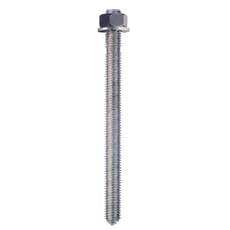
Resin studs in stainless steel are high-performance threaded anchoring solutions designed for permanent fixing applications in concrete, masonry, and stone. These specialized fixing systems combine metric threaded rods manufactured from corrosion-resistant stainless steel with chemical resin anchoring technology to deliver exceptional load-bearing capacity in the most demanding environments. Unlike mechanical anchors that rely on expansion within the substrate, resin studs create a chemical bond that distributes loads evenly throughout the embedment depth, making them ideal for structural applications, outdoor installations, and damp or aggressive conditions.
The stainless steel construction of these threaded rods provides superior resistance to corrosion, rust, and chemical attack, making them particularly valuable for external applications such as balustrade fixings, satellite dish installations, safety barriers, and architectural metalwork. A4 grade stainless steel offers the highest level of corrosion protection for marine environments and areas with high chloride exposure, whilst A2 grade provides excellent performance for most outdoor applications. Tooled-Up.com stocks resin studs from trusted manufacturers like Rawlplug, ensuring professional tradespeople have access to certified fixing solutions that meet stringent British and European standards.
These versatile fixing systems are supplied as plain threaded rods in various diameters and lengths, designed to be installed in pre-drilled holes using injectable resin capsules or cartridge systems. Once the chemical resin cures, the bond between the stud, resin, and substrate creates a permanent fixing point capable of handling substantial tensile, shear, and combined loads. This makes resin studs an essential component for structural engineers, metalworkers, and contractors working on projects requiring verified load capacities and long-term durability.
Jargon Buster
- A4 Stainless Steel: The highest grade of corrosion-resistant stainless steel (also known as 316 grade), containing molybdenum for superior protection against chlorides and marine environments. Essential for coastal installations and aggressive chemical exposure.
- Chemical Anchor: A fixing method that uses polymer resin to bond threaded studs into drilled holes, creating a chemical rather than mechanical connection. Provides excellent load distribution and performance in cracked or hollow substrates.
- Embedment Depth: The minimum length of stud that must be anchored into the base material to achieve the specified load capacity. Critical for structural applications and typically specified in technical approvals.
- Tensile Load: The pulling force that an anchor can withstand along its axis before failure. Particularly important for overhead installations, handrail fixings, and suspended loads.
- Shear Load: The sideways force perpendicular to the anchor axis. Relevant for applications like barrier posts, sign mounting, and fixtures subject to lateral forces.
- Threaded Rod: A cylindrical fastener with continuous threading along its length, allowing nuts to be positioned at any point. Available in metric sizes (M8, M10, M12, M16, M20, etc.) to suit different load requirements.
Who Uses Resin Studs Stainless Steel?
- Structural Engineers: Specifying and installing certified anchoring systems for load-bearing connections in construction projects
- Steel Fabricators & Metalworkers: Fixing structural steelwork, handrails, balustrades, and architectural metalwork to concrete and masonry
- Groundworkers & Civil Engineers: Installing safety barriers, road signs, gates, and permanent street furniture
- Satellite & Telecommunications Installers: Mounting dishes, aerials, and communication equipment on buildings and structures
- Shopfitters & Contractors: Securing fixtures, equipment housings, and architectural features in commercial environments
- Marine & Coastal Construction Specialists: Installing fixings in harbours, sea defences, and coastal structures requiring maximum corrosion resistance
- Mechanical & Electrical Engineers: Fixing heavy electrical panels, transformer housings, HVAC equipment, and industrial machinery
- Landscape Contractors: Installing permanent outdoor structures, fencing systems, and decorative metalwork
How to Choose the Right Resin Studs Stainless Steel
Grade Selection: Choose A4 (316) stainless steel for marine environments, swimming pools, coastal areas, and chemical exposure. A2 (304) grade suits most outdoor applications and damp conditions. For internal use in mild environments, standard galvanised studs may offer cost savings, but stainless steel eliminates future corrosion concerns.
Diameter and Length: Select the stud diameter based on the required load capacity and the size of the fixture being attached. Common metric sizes range from M8 to M20. The length must provide adequate embedment depth (typically 8-12 times the diameter) plus sufficient projection for the fixture, washers, and nut. Always verify embedment requirements in the technical documentation.
Compatible Resin Systems: Ensure the resin studs match the chemical anchoring system being used. The selection available at Tooled-Up includes products designed to work with specific resin capsules or injection systems. Consider cure times – standard resins typically set in 30-45 minutes, whilst fast-cure variants allow loading within 5-10 minutes for time-critical installations.
Load Requirements: Calculate the actual working loads (tensile, shear, and combined) and apply appropriate safety factors. Consult technical approvals and load tables provided by manufacturers. For structural applications, specify products with relevant certifications such as European Technical Assessments (ETA) or British Board of Agrément (BBA) approval.
Base Material Condition: Consider the substrate type and condition. Resin anchors perform well in cracked concrete, hollow block, and natural stone where mechanical anchors may struggle. For seismic zones or dynamic loading, chemical anchors often outperform mechanical alternatives. Check that the base material thickness and strength meet minimum requirements.
Popular Accessories
- Chemical Resin Capsules: Glass ampoules containing two-part resin and hardener, available in various sizes to match stud diameters and embedment depths
- Injectable Resin Cartridges: Two-component cartridge systems with static mixing nozzles for precise resin injection, ideal for overhead applications
- Resin Dispensing Guns: Manual or battery-powered applicators for delivering injectable resin accurately and consistently
- Rotary Hammer Drills: SDS-Plus or SDS-Max drills from brands like Makita, DeWalt, and Milwaukee for creating precise anchor holes in concrete and masonry
- Drill Bits (SDS): Carbide-tipped masonry bits sized to match stud diameters, creating the correct hole diameter and depth
- Hole Cleaning Tools: Blow-out pumps and wire brushes for removing dust and debris from drilled holes – essential for achieving proper resin bond
- Stainless Steel Washers & Nuts: Matching grade washers and nuts to complete the fixing assembly whilst maintaining corrosion resistance throughout
- Thread Cleaning Brushes: For removing excess cured resin from threads before assembly
- Torque Wrenches: For applying correct tightening torque to fixings, particularly important in structural applications
Safety Information
Personal Protective Equipment: Always wear appropriate safety glasses or goggles when drilling overhead or handling chemical resins. Use dust masks rated FFP2 or higher when drilling concrete to prevent inhalation of silica dust – a serious health hazard regulated under COSHH. Wear suitable work gloves when handling resin products to prevent skin irritation.
Chemical Handling: Chemical resins contain reactive compounds that can cause skin and eye irritation. Read and follow all manufacturer safety data sheets (SDS). Work in well-ventilated areas when using injectable resins, particularly in confined spaces. Keep resin products away from heat sources and store according to manufacturer guidelines to prevent premature curing.
Drilling Safety: Ensure overhead drilling positions are stable and secure. Check for hidden services (electrical cables, water pipes, gas lines) before drilling using appropriate detection equipment. When using rotary hammer drills on 240v mains power, inspect cables for damage and use RCD protection on site work to prevent electric shock.
Structural Considerations: Installation of load-bearing fixings should be carried out by competent persons following engineer's specifications. Never exceed published load capacities or modify installed anchors. For critical structural applications, consider independent verification and testing in accordance with HSE guidance.
Frequently Asked Questions
What's the difference between A2 and A4 stainless steel resin studs?
A2 stainless steel (304 grade) offers good corrosion resistance for most outdoor and damp applications. A4 grade (316 grade) contains additional molybdenum, providing superior protection against chlorides and aggressive chemicals, making it essential for marine environments, swimming pools, coastal installations, and areas with de-icing salt exposure. Whilst A4 costs more, it's the only appropriate choice for these demanding conditions.
How long do I need to wait before loading a resin stud anchor?
Cure times vary significantly depending on the resin type and ambient temperature. Standard polyester resins typically require 30-45 minutes at 20°C before loading, with longer times needed in cold conditions (potentially several hours below 5°C). Fast-cure resins may allow loading within 5-10 minutes. Always consult the specific product technical data – premature loading can result in anchor failure and serious safety risks.
Can resin studs be used in cracked concrete?
Yes, this is one of the key advantages of chemical anchoring systems over mechanical anchors. Injectable resin systems and certain capsule types are specifically approved for use in cracked concrete, where they maintain their load capacity even if existing cracks widen slightly. Always verify that the specific product has appropriate approval (ETA or BBA) for cracked concrete applications and follow installation guidelines precisely.
What hole diameter should I drill for resin stud installation?
The drilled hole must be slightly larger than the stud diameter to accommodate the resin thickness. Typical oversizes are 2-4mm depending on stud diameter – for example, an M12 stud typically requires a 14mm hole. Always follow the manufacturer's specifications exactly, as incorrect hole size affects both resin volume and ultimate load capacity. The hole must also be drilled to the correct depth to achieve specified embedment.
Do I need any special certifications to install resin stud anchors?
For non-structural applications, competent tradespeople can install resin anchors following manufacturer instructions. However, structural applications typically require installation by certified personnel, particularly for critical safety applications like balustrades or lifting points. Some manufacturers offer installation training and certification schemes. For major construction projects, engineers may specify inspection and pull-out testing to verify installation quality and load capacity.