

Rigger Gloves
Pay in 3 interest-free payments on purchases from £30-2000 with  . Learn more.
 Loading...
End of content
Error - No more pages to load
About Rigger Gloves
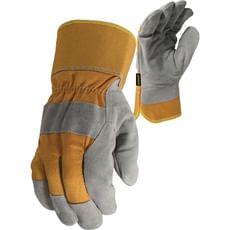
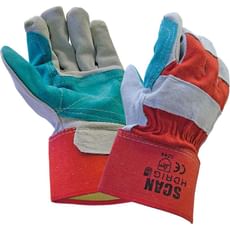
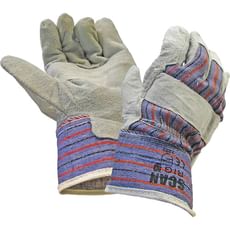
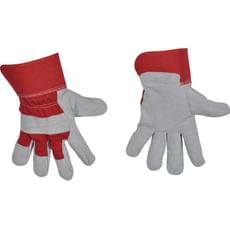
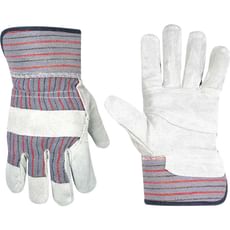
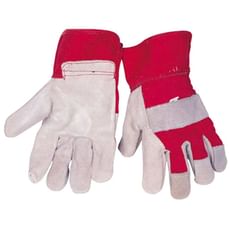
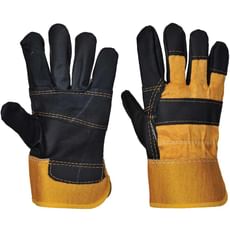
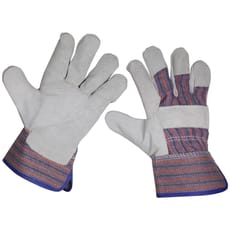
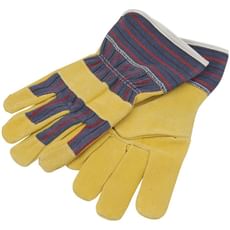
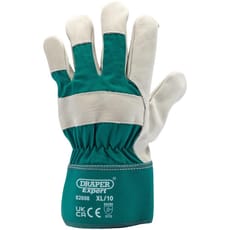
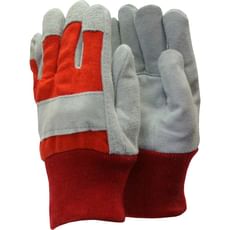
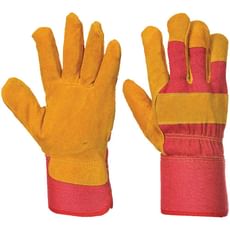
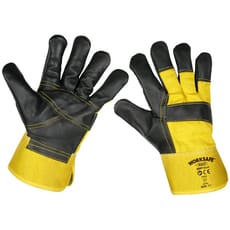
Rigger gloves are heavy-duty work gloves originally designed for workers in the rigging and construction industries, but now widely used across multiple trades and applications. These robust gloves typically feature a durable leather palm—usually cowhide split leather—combined with a cotton or canvas back for breathability. The distinctive design provides excellent grip, abrasion resistance, and protection for hands during demanding manual tasks, from construction site work to general gardening and material handling.
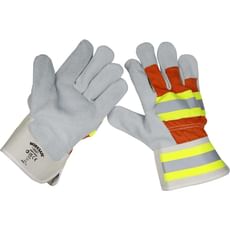
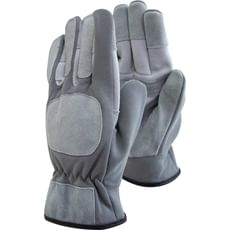
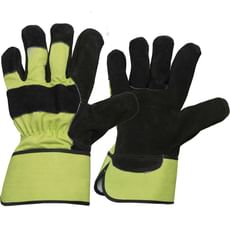
Modern rigger gloves have evolved significantly from their industrial origins. Today's range includes specialist variations such as fleece-lined versions for cold weather working, hi-vis options with reflective strips for enhanced visibility on site, and lighter-weight models suitable for gardening and general DIY tasks. The selection at Tooled-Up.com features trusted brands including Portwest, Sealey, Scan, and Draper, ensuring quality options for both professional tradespeople and home users.
Most rigger gloves conform to European safety standards including EN420 and EN388, which classify them according to their resistance to abrasion, cut, tear, and puncture. The rubberised safety cuff—a hallmark feature of traditional rigger gloves—provides additional wrist protection and helps prevent debris from entering the glove during work. Whether you're handling timber, lifting materials, operating machinery, or working in the garden, rigger gloves offer an essential combination of protection, durability, and dexterity.
Jargon Buster
- EN388 Rating: The European standard that classifies protective gloves based on their resistance to mechanical risks. Ratings are given for abrasion, blade cut, tear, and puncture resistance, with higher numbers indicating greater protection.
- Split Leather: Leather created from the lower layers of a hide after the top grain has been separated. Commonly used in rigger gloves as it provides excellent durability and abrasion resistance at a more economical price point than full-grain leather.
- Rubberised Cuff: The reinforced wrist section of a rigger glove, typically featuring a rubber or elasticated band that provides a secure fit, protects the wrist area, and prevents dirt and debris from entering the glove.
- Vein Patch: An additional protective layer located at the pulse point on the wrist, designed to provide extra safety to this vulnerable area during manual handling tasks.
- Fleece Lining: An insulating inner layer added to cold-weather rigger gloves that provides warmth without significantly compromising dexterity, making them ideal for outdoor work during winter months.
- Cotton Back: The breathable fabric used on the rear of rigger gloves that allows air circulation, reduces perspiration, and provides flexibility while the leather palm handles the heavy-duty protection.
Who Uses Rigger Gloves?
Rigger gloves are essential PPE for a diverse range of trades and applications:
- Construction Workers: General labourers, scaffolders, and site operatives handling materials, timber, and equipment
- Warehouse and Logistics Staff: Forklift operators, stock handlers, and distribution centre workers managing pallets and goods
- Groundworkers and Landscapers: Professionals laying foundations, handling stone, and carrying out external works
- Gardeners and Horticulturalists: Both professionals and keen amateurs requiring protection during planting, pruning, and general garden maintenance
- Removal and Furniture Handlers: Workers transporting and manoeuvring heavy items who need superior grip and hand protection
- Steel Erectors and Metalworkers: Tradespeople handling sharp-edged materials and components
- Vehicle Mechanics and Engineers: Technicians requiring hand protection during component handling and general workshop tasks
- DIY Enthusiasts: Home improvers tackling projects that involve material handling, woodwork, or general construction tasks
- Agricultural Workers: Farmers and estate workers carrying out fencing, livestock handling, and general farm maintenance
How to Choose the Right Rigger Gloves
Consider the Working Environment: For outdoor work in cold conditions, opt for fleece-lined rigger gloves that provide thermal insulation whilst maintaining dexterity. If you're working on roads or sites requiring high visibility, choose hi-vis versions with reflective strips for enhanced safety. Standard rigger gloves suit general-purpose use in moderate conditions.
Assess the Level of Protection Required: Check the EN388 ratings to ensure the gloves meet your needs. Higher abrasion and tear resistance ratings are essential for construction and heavy industrial work, whilst lighter-duty options suffice for gardening and general DIY. Tooled-Up stocks options from leading safety brands like Portwest and Scan that meet professional standards.
Evaluate Material Quality: Full palm cowhide split leather offers the best balance of durability and value, whilst furniture hide provides premium strength for the most demanding applications. The leather should be supple enough for comfortable movement whilst remaining robust enough to withstand your specific tasks.
Check Sizing and Fit: Rigger gloves that are too tight restrict movement and cause fatigue, whilst oversized gloves compromise grip and control. Most manufacturers offer multiple sizes—measure your hand circumference and refer to sizing charts. The rubberised cuff should fit snugly around the wrist without cutting into the skin.
Think About Dexterity Requirements: Whilst rigger gloves prioritise protection over precision, some tasks require more finger sensitivity than others. Lighter-weight rigger gloves with thinner leather suit tasks requiring moderate dexterity, whilst heavy-duty versions are better for pure material handling where tactile feedback is less critical.
Consider Special Features: Vein patches provide additional protection to vulnerable wrist areas, whilst reinforced palms extend the working life of the gloves in high-wear situations. Some models feature ergonomic pre-curved designs that reduce hand fatigue during extended use.
Popular Accessories
- Precision Work Gloves: Nitrile-coated or mechanics' gloves for detailed work requiring greater dexterity than rigger gloves provide
- Cut-Resistant Gloves: Specialist gloves with Kevlar or similar materials for tasks involving sharp tools or metal edges
- Barrier Cream: Hand protection products that provide an additional layer of defence against skin irritation and contamination
- Glove Clips and Holders: Keep gloves securely attached to belts or toolbags when not in use
- Hand Cleaner and Moisturiser: Heavy-duty cleansers and barrier repair creams designed for tradespeople's hands
- Wrist Supports: Additional protective equipment for workers with existing wrist conditions or those performing repetitive manual tasks
- Safety Goggles and Glasses: Essential eye protection to complement hand safety during material handling and construction work
- Hi-Vis Workwear: Complements reflective rigger gloves for comprehensive visibility on site
Safety Information
Understand Standard Compliance: Ensure your rigger gloves meet the relevant British and European standards for your application. EN420 specifies general requirements for protective gloves, whilst EN388 provides specific mechanical resistance ratings. Never use gloves beyond their intended purpose or protection level.
Inspect Before Each Use: Check rigger gloves for signs of wear, tears, or compromised seams before starting work. Damaged gloves offer reduced protection and should be replaced immediately. Pay particular attention to the leather palm, which typically shows wear first in high-friction areas.
Limitations and Restrictions: Rigger gloves are not suitable for electrical work, chemical handling, or situations requiring cut level 5 protection. They provide mechanical protection only and should never be worn near rotating machinery, drill presses, or other equipment where gloves could become caught and cause serious injury.
Maintain Hygiene: Allow gloves to dry naturally after use, particularly fleece-lined versions that can retain moisture. Consider having multiple pairs in rotation to ensure you always have dry, comfortable gloves available. Most rigger gloves can be spot-cleaned, but excessive wetting compromises the leather's integrity.
Storage Considerations: Store rigger gloves in a cool, dry location away from direct sunlight, which can cause leather to crack and deteriorate. Keep them away from oils, solvents, and other chemicals that may degrade the materials or compromise their protective properties.
Frequently Asked Questions
What's the difference between rigger gloves and gardening gloves?
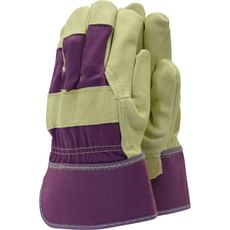
Whilst both can be used for similar tasks, traditional rigger gloves feature heavier-duty split leather construction with rubberised safety cuffs designed for industrial applications. Gardening gloves are often lighter-weight with thinner materials, offering greater dexterity for detailed planting work but less protection for heavy material handling. Many products now bridge this gap, with brands like Town and Country and Draper offering rigger-style gloves specifically designed for gardening that provide good protection without unnecessary bulk.
Can I wash rigger gloves in a washing machine?
It's not recommended to machine wash rigger gloves, as this can damage the leather, cause shrinkage, and compromise the structural integrity of the rubberised cuff. Instead, spot-clean dirty areas with a damp cloth and allow gloves to air dry naturally away from direct heat sources. For heavily soiled gloves, gentle hand washing in cool water with mild soap is acceptable, but ensure thorough drying afterwards to prevent the leather becoming stiff or cracked.
How do I know what size rigger gloves to buy?
Measure around your dominant hand at the widest part (typically across the knuckles, excluding the thumb) using a tape measure. Compare this measurement to the manufacturer's sizing chart—most brands offer sizes from small (approximately 20cm circumference) through to extra-large (approximately 28cm). Rigger gloves should fit snugly without being tight, allowing comfortable finger movement whilst the rubberised cuff sits securely around your wrist.
Are rigger gloves suitable for working in cold weather?
Standard rigger gloves provide basic insulation but aren't specifically designed for cold weather work. For winter conditions, choose fleece-lined or thermal-lined rigger gloves such as those offered by Portwest, Stanley, and Kew Gardens. These feature an insulating inner layer that maintains warmth without significantly compromising grip or dexterity, making them ideal for outdoor construction work, groundworks, and winter gardening tasks.
Do rigger gloves protect against cuts from sharp materials?
Rigger gloves offer moderate protection against abrasions, tears, and punctures (as indicated by their EN388 ratings), but they're not specifically designed as cut-resistant gloves. The leather palm provides reasonable protection against minor scrapes and rough surfaces, but for work involving sharp metal edges, glass, or cutting tools, dedicated cut-resistant gloves with Kevlar or similar high-performance materials offer superior protection. Always match your glove choice to the specific hazards of your task.