

Rivet Guns
Pay in 3 interest-free payments on purchases from £30-2000 with  . Learn more.
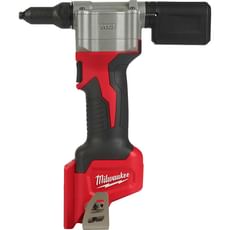
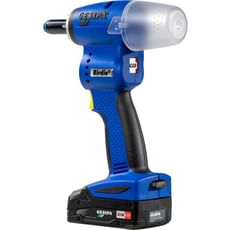
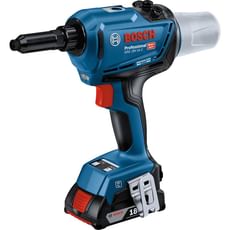
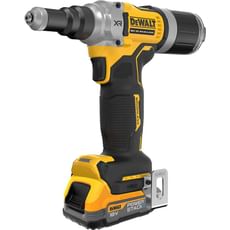

 Loading...
End of content
Error - No more pages to load
About Rivet Guns
Rivet guns are indispensable fastening tools that enable tradespeople and fabricators to join materials quickly and permanently using blind rivets, commonly known as pop rivets. These versatile tools work by pulling a mandrel through a hollow rivet body, causing it to deform and create a secure mechanical fastening on the blind side of a workpiece—making them ideal when access to only one side of the material is available. From lightweight aluminium fabrication and automotive body repairs to heavy-duty steel construction and HVAC installation, rivet guns provide a reliable alternative to welding, bolting or screwing components together across countless applications.
The selection at Tooled-Up.com encompasses several rivet gun formats to suit different workloads and budgets. Manual hand riveters offer portability and affordability for occasional DIY use, whilst battery-powered cordless models from leading brands like DeWalt, Milwaukee, Makita, Bosch Professional and Gesipa deliver the speed, consistency and pulling force demanded by professional tradespeople working on site. Pneumatic rivet guns provide exceptional power for workshop environments with compressed air already available, whilst specialist tools handle everything from standard blind rivets to structural bulb-tite and mega grip fasteners used in demanding fabrication work.
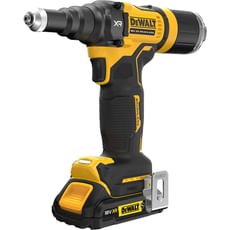
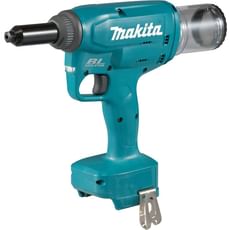
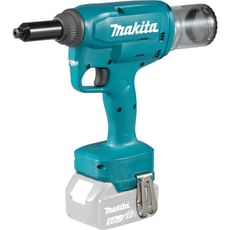
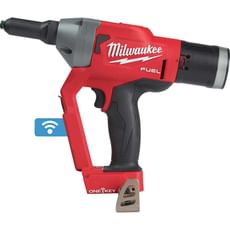
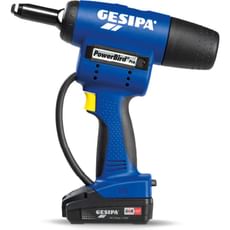
Modern cordless rivet guns feature advanced brushless motor technology, delivering impressive pulling force—often exceeding 16 kilonewtons—whilst maintaining compact, ergonomic designs that reduce operator fatigue. Compact 12V platforms like the Milwaukee M12 BPRT prove ideal for light fabrication and occasional use, whilst robust 18V tools such as the DeWalt DCF414, Milwaukee M18 Fuel, Makita DRV250 and Gesipa PowerBird Pro handle larger diameter rivets up to 6.4mm in steel and stainless steel. Whether you're working in automotive body repair, shopfitting, signage installation, metal fabrication or general construction, there's a rivet gun configuration to match your specific requirements and existing battery platform.
Jargon Buster
- Blind Rivet: A fastener that can be installed from one side of a workpiece, making it essential when the reverse side is inaccessible. Also called a pop rivet, it consists of a tubular body and a mandrel that's pulled through by the rivet gun to create the permanent fixing.
- Mandrel: The central pin or stem of a blind rivet that's gripped and pulled by the rivet gun to deform the rivet body and create the fastening. The mandrel snaps off at a predetermined breaking point once the rivet is fully set, with the stem ejecting from the tool.
- Pulling Force: Measured in Newtons (N) or kilonewtons (kN), this specification indicates the maximum force a rivet gun can apply when setting a rivet. Higher pulling force enables the tool to handle larger diameter rivets and harder materials like stainless steel—professional 18V tools typically deliver 14-18kN.
- Nosepiece: The front attachment on a rivet gun that holds the rivet in position during installation. Interchangeable nosepieces accommodate different rivet sizes, typically ranging from 2.4mm to 6.4mm diameter, with specialist versions available for structural rivet types.
- Jaw Set: The internal gripping mechanism that clamps onto the mandrel and pulls it through the rivet body. Replaceable jaw sets are consumable components that wear over time with heavy use and are available as service parts for all professional rivet guns.
- Brushless Motor: An efficient electric motor design without carbon brushes, offering longer runtime per battery charge, increased power output, extended tool life and reduced maintenance compared to traditional brushed motors—now standard on professional cordless rivet guns.
Who Uses Rivet Guns?
Rivet guns are used across numerous trades and industries by both professional tradespeople and DIY enthusiasts:
- Metal Fabricators and Sheet Metal Workers: Assembling ducting, metal panels, enclosures, brackets and bespoke metalwork structures
- Automotive Technicians and Body Repair Specialists: Repairing vehicle panels, fitting replacement components and classic car restoration work
- HVAC Engineers and Ventilation Installers: Joining ductwork sections, fixing grilles, assembling air conditioning units and extractors
- Shopfitters and Signage Installers: Mounting retail displays, fixing signage panels, constructing exhibition stands and point-of-sale fixtures
- Roofing Contractors and Cladding Specialists: Installing guttering, downpipes, flashing, fascias and metal roofing systems
- Aircraft Engineers and Marine Fitters: Working with aluminium structures where access to both sides isn't possible or welding isn't suitable
- General Builders and Maintenance Engineers: Site fabrication work, temporary structures, architectural metalwork and general repairs
- Furniture Makers and Joiners: Assembling metal-framed furniture, mixed-material constructions and industrial-style fittings
- Agricultural Engineers and Farm Maintenance: Repairing machinery guards, trailers, livestock equipment and farm buildings
- DIY Enthusiasts and Home Improvers: Garden projects, shed repairs, household maintenance and hobby metalwork
How to Choose the Right Rivet Guns
Power Source and Mobility: Cordless battery-powered tools offer unbeatable portability for site work and mobile applications. The 18V platforms from DeWalt, Milwaukee, Makita, Bosch Professional and Gesipa provide excellent power-to-weight ratios and compatibility with existing battery systems—a crucial consideration if you already own tools from one manufacturer. For lighter, occasional use, 12V compact models like the Milwaukee M12 deliver surprising capability in a smaller, more manoeuvrable package. Pneumatic rivet guns suit workshop environments with compressed air already available, delivering consistent power for high-volume production work, whilst manual hand riveters remain cost-effective for infrequent DIY applications.
Rivet Capacity and Pulling Force: Consider the maximum rivet diameter and material hardness you'll regularly encounter. Entry-level and compact tools typically handle rivets up to 4.8mm diameter in softer materials like aluminium, whilst professional-grade models such as the Makita DRV250, DeWalt DCF414 and Gesipa PowerBird manage 6.4mm rivets in steel and stainless steel. Check both the maximum rivet size and the pulling force specification—measured in kilonewtons (kN)—to ensure adequate capability. Professional tools delivering 16kN or higher comfortably set stainless steel rivets and structural fasteners, whilst 10-12kN suits general aluminium and mild steel work.
Build Quality and Durability: Professional tradespeople setting dozens or hundreds of rivets daily should prioritise robust construction with metal gear housings, reinforced nosepieces and quality internal components from established brands like Gesipa, DeWalt, Milwaukee and Bosch Professional. These tools withstand daily site abuse and provide consistent performance over thousands of rivets. DIY users or those with occasional requirements may find mid-range options from Makita or Sealey offer excellent value without the investment in top-tier professional tools.
Ergonomics and Handling: Rivet guns with inline designs and rubber overmoulded grips significantly reduce hand fatigue during extended use. Check the tool weight—particularly important for overhead work in HVAC installation or automotive underbody repairs—and ensure good balance when loaded with a battery. Features like LED work lights illuminating the rivet location, remaining battery capacity indicators, quick-release nosepiece changes and convenient mandrel collection containers all improve the working experience and productivity on site.
Included Accessories and Consumables: Quality rivet gun kits include multiple nosepieces covering different rivet sizes (typically 2.4mm, 3.2mm, 4.0mm, 4.8mm and 6.4mm), spare jaw sets, and a robust storage case. Consider whether replacement consumables like jaw sets and nose tips are readily available from stockists and reasonably priced, as these wear items will need replacing with heavy professional use. Tooled-Up stocks replacement parts for all major brands, ensuring you can maintain your tool economically throughout its working life.
Popular Accessories
- Replacement Jaw Sets: Consumable components that grip and pull the mandrel through the rivet body. Jaw sets wear with use and should be replaced when riveting performance deteriorates, jaws fail to grip properly, or visible damage appears on the jaw teeth—essential spares for professional users.
- Nosepiece Sets: Interchangeable front attachments that accommodate different rivet diameters, typically supplied in sizes from 2.4mm to 6.4mm. Specialist nosepieces are available for bulb-tite, mega grip and other structural rivet types like those offered by Gesipa.
- Extension Nosepieces: Longer nose attachments that provide access to recessed areas, deep channels and tight spaces where standard nosepieces can't reach—particularly useful for automotive and HVAC applications.
- Blind Rivets: The consumable fasteners themselves, available in various materials (aluminium, steel, stainless steel, copper), diameters (2.4mm to 6.4mm typically) and grip ranges to suit different applications and combined material thicknesses.
- Rivet Nut Tools: Complementary tools for installing threaded inserts (rivet nuts or nutserts) into thin materials, providing strong threaded fixing points in sheet metal where traditional tapping isn't feasible.
- Tool Cases and Storage: Purpose-designed carrying cases keep your rivet gun, nosepieces, jaw sets and spare consumables organised and protected during transport between jobs—many professional kits come in systainer-style cases compatible with van racking.
Safety Information
Whilst rivet guns are generally safe tools when used correctly, observe these important safety considerations in accordance with HSE guidance:
- Eye Protection: Always wear safety glasses or goggles conforming to EN166 when operating rivet guns. The mandrel snaps off at high speed once the rivet is set and can cause serious eye injuries. Flying debris from the workpiece, particularly when drilling rivet holes, also presents a hazard.
- Hand and Finger Safety: Never place fingers or hands behind the workpiece when setting rivets. The rivet body expands on the blind side with considerable force—often several kilonewtons—and can cause crush injuries or trap fingers between materials.
- Hearing Protection: Pneumatic rivet guns in particular can generate high noise levels exceeding 85dB(A). Use appropriate hearing protection conforming to EN352 when working in noisy environments or during extended riveting sessions.
- Work Area: Ensure adequate lighting—LED work lights on modern cordless tools help considerably—and maintain a tidy workspace free from tripping hazards. Secure workpieces properly using clamps or a vice before riveting to prevent movement that could result in misaligned rivets or personal injury.
- Battery Safety: Use only genuine manufacturer batteries and chargers compatible with your tool platform. Don't expose cordless tools to excessive heat, moisture or impact, and always remove batteries before changing nosepieces, replacing jaw sets or performing maintenance.
- Sharp Edges and Burrs: Freshly cut metal, drilled holes and set rivets can have sharp edges and burrs. Wear appropriate work gloves conforming to EN388 when handling sheet metal and fabrications to prevent cuts and abrasions.
Frequently Asked Questions
What's the difference between a rivet gun and a rivet nut tool?
A rivet gun (or pop rivet gun) installs blind rivets that create permanent mechanical fastenings between materials—you cannot disassemble a riveted joint without drilling out the rivet. A rivet nut tool installs threaded inserts called rivet nuts or nutserts into thin materials, providing strong threaded holes for bolting components that can later be removed. Whilst both use similar pulling mechanisms, they serve fundamentally different purposes—rivets for permanent joining, rivet nuts for creating removable threaded fixings in sheet materials.
Can I use my 18V battery rivet gun for structural work?
Modern 18V cordless rivet guns from professional brands like DeWalt, Milwaukee, Gesipa and Makita deliver sufficient pulling force for most structural blind rivets including bulb-tite and mega grip types up to 6.4mm diameter. However, always verify the specific tool's pulling force rating meets or exceeds the rivet manufacturer's requirements, and ensure you're using the correct specialist nosepiece for structural rivet types. Tools delivering 16kN or higher comfortably handle structural applications. For very high-volume structural fabrication work, pneumatic tools may offer better consistency throughout extended production runs.
How often should I replace the jaw set on my rivet gun?
Jaw set lifespan varies considerably depending on usage intensity, the materials you're riveting and rivet sizes being set. Signs that replacement is needed include difficulty gripping mandrels consistently, incomplete rivet setting, mandrels slipping during operation, or visible wear and damage on the jaw teeth. Professional users setting hundreds of rivets daily in hard materials like stainless steel may need replacement every few months, whilst occasional DIY use in soft aluminium might see jaw sets lasting several years. Keep spare jaw sets on hand to avoid downtime—replacement is quick and straightforward on all professional tools.
Will a cordless rivet gun work with stainless steel rivets?
Quality 18V rivet guns with high pulling force specifications can successfully set stainless steel rivets, though this demands significantly more from the tool than aluminium or mild steel rivets. Check your specific tool's capability—you'll need substantial pulling force (typically 16kN or higher) and a robust motor for stainless steel applications. Battery charge level also affects performance considerably, so ensure batteries are fully charged when working with demanding materials. Professional tools like the DeWalt DCF414, Milwaukee M18 Fuel and Gesipa PowerBird Pro are specifically designed to handle stainless steel rivets across the full size range.
Are manual hand riveters suitable for professional use?
Manual hand riveters work adequately for occasional light-duty applications, emergency repairs and very infrequent use, but aren't practical for professional tradespeople who set numerous rivets daily. The significant physical effort required causes hand fatigue very quickly, particularly with larger rivets or harder materials, and the slower operation dramatically impacts productivity on time-sensitive jobs. For professional use—whether you're a fabricator, automotive technician or HVAC engineer—invest in a cordless or pneumatic rivet gun that delivers consistent results with minimal operator effort throughout the working day, protecting your hands whilst dramatically increasing output.