

Rivets
Pay in 3 interest-free payments on purchases from £30-2000 with  . Learn more.



 Loading...
End of content
Error - No more pages to load
About Rivets
Rivets are permanent mechanical fasteners used to join two or more materials together, creating a strong, reliable bond that's ideal for applications where welding isn't suitable or possible. Consisting of a smooth cylindrical shaft with a head on one end, rivets work by deforming the tail end during installation to create a second head that clamps the materials together. From aluminium pop rivets for general fabrication work to stainless steel variants for marine environments, the selection at Tooled-Up.com covers every fastening requirement for professional tradespeople and DIY enthusiasts alike.
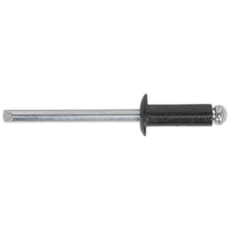
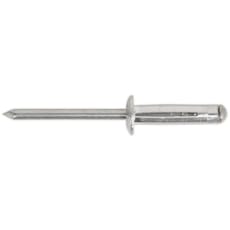
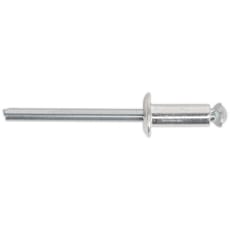
Modern riveting has evolved significantly from traditional solid rivets requiring access to both sides of the workpiece. Blind rivets, commonly known as pop rivets, revolutionised the fastening industry by allowing installation from one side only, making them perfect for hollow structures, box sections, and hard-to-reach areas. Available in various materials including aluminium, steel, stainless steel, and specialised options like waterproof and high-performance variants, these fasteners provide solutions for automotive repairs, sheet metal fabrication, construction work, and countless other applications.
Tooled-Up stocks rivets from trusted manufacturers including Sealey, Rapid, Arrow, Draper, and Faithfull, offering everything from individual packs of specific sizes to comprehensive assortments containing hundreds of pieces. Whether you're securing panels on a vehicle body, assembling metal ductwork, repairing guttering, or fabricating custom metalwork, having the right rivet type and size ensures professional results that will withstand the test of time.
Jargon Buster
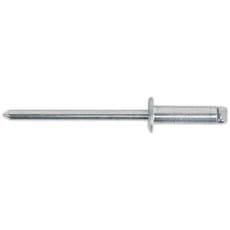
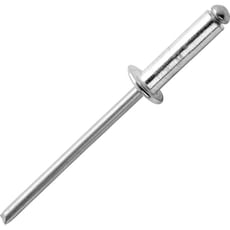
- Pop Rivet (Blind Rivet): A type of rivet that can be installed from one side only, using a rivet gun that pulls a mandrel through the rivet body, causing it to expand and form a secure fixing. The mandrel then snaps off flush with the rivet head.
- Grip Range: The combined thickness of materials that a particular rivet can effectively fasten together. Choosing the correct grip range is essential for achieving a secure, tight joint without gaps.
- Mandrel: The central pin or stem that runs through a blind rivet. When pulled by a rivet gun, it deforms the tail end of the rivet body before breaking off at a predetermined point, leaving the rivet in place.
- Rivet Diameter: The measurement across the rivet shaft, typically expressed in millimetres or inches (such as 3.2mm, 4mm, 4.8mm, or 1/8in, 5/32in). The hole drilled in the workpiece must match the rivet diameter for proper installation.
- Closed-End Rivet: A rivet with a sealed tail end that prevents water, dust, and contaminants from entering through the fastener, making it ideal for outdoor applications and automotive bodywork.
- Threaded Insert (Rivet Nut): A specialised rivet that provides a threaded hole in thin materials where traditional tapping isn't possible, allowing bolts to be screwed in and removed repeatedly without damaging the parent material.
Who Uses Rivets?
- Automotive mechanics and body repair specialists for panel replacement, trim installation, and structural repairs
- Sheet metal fabricators working with ductwork, ventilation systems, and metal enclosures
- Aircraft maintenance engineers requiring certified fasteners for aviation applications
- Roofers and cladding installers fixing flashings, guttering, and metal roofing components
- Marine engineers and boat builders needing corrosion-resistant stainless steel fasteners
- HVAC installers assembling air conditioning units and ventilation systems
- General construction workers for fixing metal brackets, profiles, and structural components
- Sign makers and shopfitters installing signage, display units, and metal fixtures
- Agricultural engineers repairing farm machinery, trailers, and metal structures
- DIY enthusiasts undertaking home repairs, hobby projects, and vehicle restoration
How to Choose the Right Rivets
Material Selection: Match the rivet material to your application and environment. Aluminium rivets offer excellent corrosion resistance and are lighter than steel, making them ideal for general fabrication and non-structural applications. Steel rivets provide greater strength for load-bearing joints. Stainless steel rivets are essential for marine environments, outdoor applications, and anywhere corrosion is a concern. For joining dissimilar metals, consider galvanic corrosion and choose compatible materials.
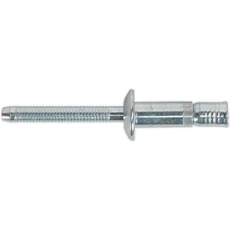
Rivet Diameter and Length: The rivet diameter should match the hole size drilled in your materials – common sizes include 3.2mm (1/8in), 4mm (5/32in), and 4.8mm (3/16in). Rivet length must be appropriate for the grip range, which is the total thickness of materials being joined. The rivet should be long enough to pass through all materials with sufficient length remaining to form the tail head, but not so long that it creates an excessive or weak tail.
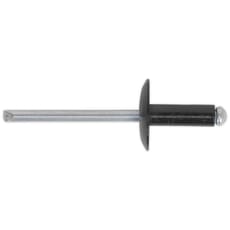
Head Style and Type: Dome head rivets provide the strongest and most common fixing, while countersunk (flush) head rivets sit flush with the surface for a neater appearance. Large flange (multigrip) rivets distribute load over a wider area, making them suitable for soft materials or oversized holes. Choose closed-end or waterproof rivets for applications exposed to weather or requiring a sealed fastener.
Application Requirements: Consider whether you need standard, high-performance, or specialised rivets. High-performance variants offer greater tensile and shear strength for demanding applications. Automotive-specific rivets often feature wider flanges and enhanced grip ranges for bodywork. Coloured rivets can be selected to match the material being fastened for a professional finish.
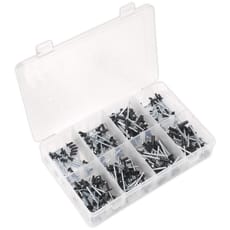
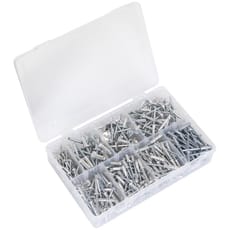
Quantity and Assortments: For professional use or varied projects, rivet assortments from brands like Sealey and Arrow available at Tooled-Up provide excellent value, offering multiple sizes and types in organised storage cases. For specific applications, individual packs ensure you have sufficient quantity of the exact specification required.
Popular Accessories
- Rivet Guns: Manual, pneumatic, or battery-powered tools for installing pop rivets efficiently and accurately
- Rivet Gun Nozzles: Interchangeable nosepieces for different rivet diameters
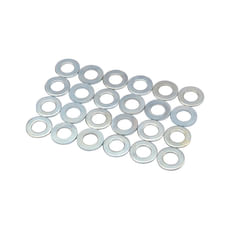
- Rivet Washers: Large surface area washers for spreading load on soft materials or oversized holes
- Drill Bits: Precision bits sized specifically for rivet hole preparation
- Deburring Tools: For cleaning and smoothing drilled holes before rivet installation
- Rivet Removal Tools: Specialised drills and extractors for removing damaged or incorrectly installed rivets
- Storage Cases and Organisers: For keeping different rivet sizes and types sorted and accessible
- Centre Punches: For accurately marking drill positions on metal surfaces
- Protective Eyewear: Essential PPE when drilling and riveting
Safety Information
Always wear appropriate eye protection when drilling holes and installing rivets, as metal swarf and mandrel fragments can be ejected at high speed. Ensure the workpiece is securely clamped or supported before drilling to prevent movement that could cause injury or damage. When using pneumatic rivet guns, check air pressure settings match the tool's requirements and inspect hoses for damage before use.
Drill rivet holes in a well-ventilated area, particularly when working with treated or coated metals that may produce harmful dust or fumes. Use sharp drill bits appropriate for metal to reduce the force required and prevent the drill from slipping. When working with stainless steel or hardened materials, use cutting fluid to reduce heat build-up and extend drill bit life.
Dispose of spent mandrels safely – they can be sharp and present a puncture hazard. Keep work areas clear of accumulated mandrels and metal debris. When removing old rivets by drilling, use the correct size drill bit and take care not to enlarge the hole or damage surrounding material. Follow HSE guidance for using power tools and always disconnect pneumatic or battery tools when changing nozzles or performing maintenance.
Frequently Asked Questions
What's the difference between aluminium and steel rivets?
Aluminium rivets are lighter, more corrosion-resistant, and easier to install, making them suitable for general fabrication and non-structural applications. Steel rivets provide significantly greater strength and shear resistance, making them necessary for load-bearing joints and high-stress applications. Steel rivets are harder on tools and require more force to install but create stronger connections in structural work.
How do I know what size rivet I need?
Measure the total thickness of the materials you're joining (the grip range). The rivet length should be approximately 1.5 times this measurement to allow sufficient material to form the tail head. The rivet diameter depends on the strength requirement and hole size – common diameters are 3.2mm, 4mm, and 4.8mm. Larger diameter rivets provide stronger joints but require larger holes.
Can I use pop rivets for structural applications?
Standard aluminium pop rivets are generally not suitable for primary structural or safety-critical applications. However, high-performance structural blind rivets made from steel or stainless steel can be used in some structural applications. Always consult relevant building codes, engineering specifications, or manufacturer guidance for structural fastening requirements. Traditional solid rivets or bolted connections may be required for critical load-bearing joints.
Why do some rivets have sealed ends?
Closed-end or sealed rivets prevent water, moisture, dirt, and contaminants from entering through the hollow centre of the rivet. This makes them essential for automotive bodywork, outdoor applications, marine environments, and any situation where the fastener will be exposed to the elements. Waterproof rivets provide an even higher level of protection with special sealing for complete moisture resistance.
What's the best way to remove a rivet?
The cleanest method is to drill out the rivet using a drill bit slightly larger than the mandrel but smaller than the rivet body. Drill carefully through the rivet head until it separates, then push the remaining shank through the hole. Alternatively, use a rivet removal tool or grind off the head with a rotary tool, though this requires more care to avoid damaging the parent material. Always wear eye protection when removing rivets.