

Roller Cabinets & Tool Chests

Pay in 3 interest-free payments on purchases from £20-£3000 with  . Learn more.
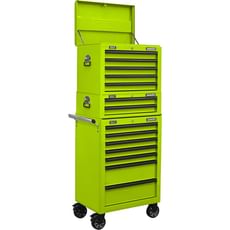
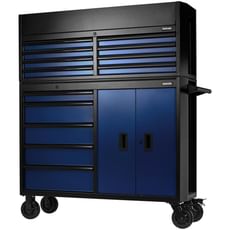
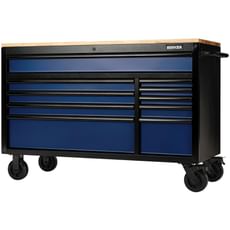
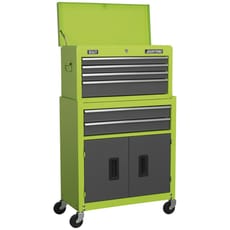
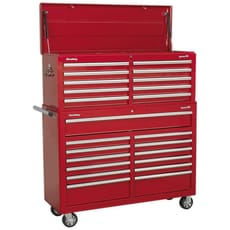
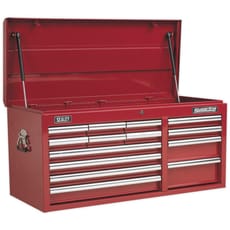
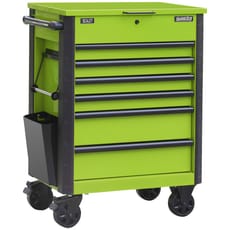
Sealey Superline Pro 14 Drawer Roller Cabinet, Mid Box and Top Tool Chest
in stock
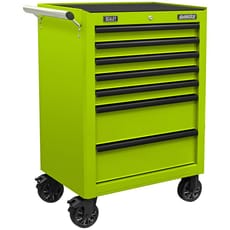
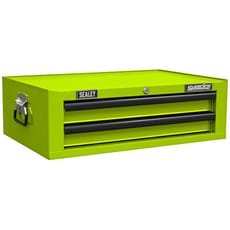
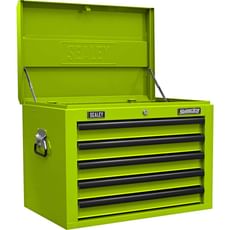
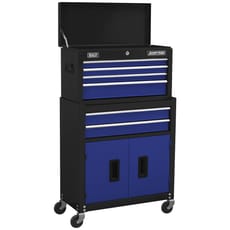
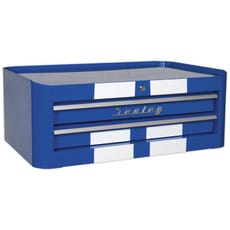
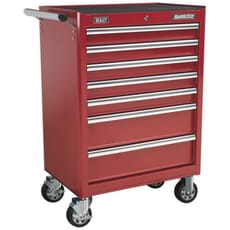



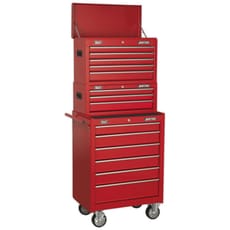
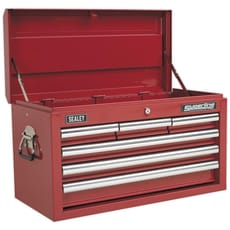
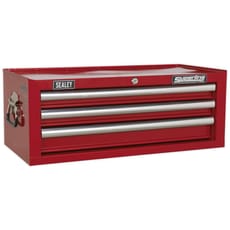
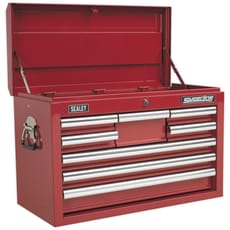
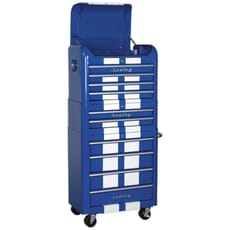
Sealey Premier Retro Style 10 Drawer Roller Cabinet, Mid and Top Tool Chest
in stock
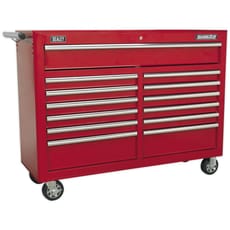
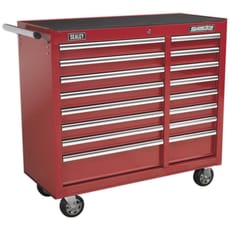
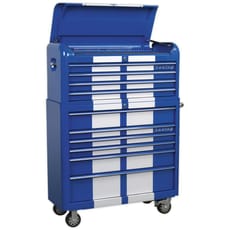
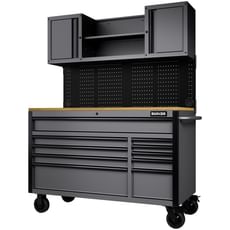
Sealey Premier Retro Style Wide 10 Drawer Roller Cabinet and Tool Chest
in stock
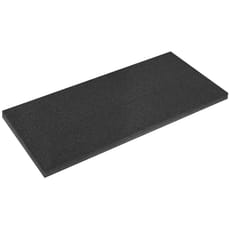

 Loading...
End of content
Error - No more pages to load
About Roller Cabinets & Tool Chests
Proper tool storage is the backbone of any efficient workshop, garage, or mobile service van. Roller cabinets and tool chests provide organised, secure, and accessible storage solutions that protect valuable equipment whilst keeping everything within easy reach. These heavy-duty storage systems range from compact portable tool chests ideal for apprentices and DIY enthusiasts, to professional-grade roller cabinets with multiple drawers and substantial load capacities designed for busy workshops and trade professionals.
Modern roller cabinets combine robust steel construction with smooth-gliding drawer systems, allowing tradespeople to transport hundreds of kilograms of tools across workshop floors with minimal effort. Many feature ball-bearing drawer runners, central locking mechanisms, and anti-slip liners to protect tools during movement. Tooled-Up.com stocks roller cabinets and tool chests from leading manufacturers including Milwaukee, DeWalt, Makita, and Stanley, offering solutions that suit everyone from the home DIY enthusiast to professional mechanics and site contractors.
Tool chests typically serve as either standalone portable storage or as top boxes that sit atop roller cabinets, creating modular storage systems that can be expanded as tool collections grow. The category also encompasses specialist chest and cabinet accessories such as drawer dividers, tool organisers, side handles, and worktop mats that help maximise storage efficiency and protect both tools and cabinet surfaces.
Jargon Buster
- Ball-Bearing Runners: High-quality drawer slides featuring ball bearings that allow smooth, full-extension drawer operation even under heavy loads, typically rated to 40kg or more per drawer.
- Load Capacity: The maximum weight a cabinet or individual drawer can safely hold, usually expressed in kilograms. Professional roller cabinets often feature total load capacities exceeding 300kg.
- Central Locking System: A security mechanism that locks all drawers simultaneously using a single key-operated lock, preventing unauthorised access and keeping drawers closed during transport.
- Top Box: A separate storage chest designed to sit on top of a roller cabinet, adding extra storage capacity and typically featuring its own lock and organisational compartments.
- Tool Control Foam: Custom-cut foam inserts that create specific spaces for individual tools, making it immediately obvious if any tools are missing – essential for site work and professional environments.
- Castor Wheels: Heavy-duty wheels fitted to roller cabinets, usually featuring both fixed and swivel castors with brakes to ensure stability when stationary and manoeuvrability when moving.
Who Uses Roller Cabinets & Tool Chests?
Roller cabinets and tool chests serve a diverse range of users across professional trades and domestic applications:
- Motor Mechanics and Vehicle Technicians: Require substantial storage for extensive socket sets, power tools, diagnostic equipment, and specialist automotive tools.
- Mobile Engineers and Field Service Technicians: Need secure, organised storage that can be locked and wheeled between service vehicles and job sites.
- Manufacturing and Production Facilities: Use tool cabinets at individual workstations to keep specialist equipment organised and readily accessible.
- General Builders and Construction Workers: Store power tools, hand tools, fixings, and consumables in secure cabinets on site or in lock-ups.
- Electricians and Plumbers: Organise trade-specific tools, testing equipment, and frequently used consumables in portable or workshop-based storage.
- Carpenters and Joiners: Keep precision hand tools, power tools, and measuring equipment protected and organised.
- Maintenance Teams: Maintain shared tool inventories in facilities management, estates, and industrial maintenance settings.
- DIY Enthusiasts and Home Workshop Users: Organise growing tool collections and create efficient workspace storage in garages and home workshops.
How to Choose the Right Roller Cabinets & Tool Chests
Selecting appropriate tool storage depends on several practical considerations that match your working environment and requirements:
Size and Configuration: Assess your available floor space and tool collection size. Roller cabinets range from compact 6-drawer units measuring around 650mm wide to full-size 16-drawer systems exceeding 1500mm. Consider drawer depths – shallow drawers (50-75mm) suit hand tools and small items, whilst deeper drawers (150mm+) accommodate power tools and bulkier equipment.
Load Capacity and Construction: Professional-grade cabinets feature heavy-gauge steel construction with reinforced drawer bases. Check both individual drawer capacity (typically 35-50kg) and total cabinet capacity. Workshop-based storage available from Tooled-Up can support loads exceeding 400kg when properly distributed.
Drawer Operation and Hardware: Quality ball-bearing runners ensure smooth operation under load and allow full drawer extension for easy access to items at the back. Soft-close mechanisms prevent slamming and protect tools from impact damage. Budget options may use simpler slide mechanisms adequate for lighter use.
Security Features: Central locking systems are essential for professional environments and site use. Some models offer individual drawer locks for additional security. Consider cabinets with reinforced lock housings and anti-drill plates for high-value tool collections.
Mobility Requirements: Assess castor quality – professional cabinets feature heavy-duty polyurethane wheels (typically 125mm diameter) that roll smoothly over workshop floors, cables, and uneven surfaces. Braking castors on at least two wheels prevent movement during use. If the cabinet remains stationary, consider models with adjustable feet for perfect levelling.
Modular Compatibility: Many manufacturers offer modular systems where top boxes, side cabinets, and roller cabinets can be combined. Milwaukee PACKOUT, DeWalt ToughSystem, and Makita MakPac systems allow expansion as your tool collection grows.
Work Surface: Roller cabinet tops often serve as work surfaces. Rubber or wooden work tops protect tools and finished surfaces, whilst steel tops offer durability. Some feature integrated power strips or worklights for added functionality.
Popular Accessories
Maximise the functionality and organisation of tool storage systems with these complementary accessories:
- Drawer Liners and Mats: Anti-slip rubber or foam matting protects drawer surfaces and prevents tools from sliding during movement.
- Drawer Dividers and Organisers: Adjustable compartments and socket rail systems create customised storage layouts for specific tools.
- Tool Control Foam Inserts: Custom-cut foam with tool-shaped cutouts for shadow board organisation and inventory control.
- Magnetic Tool Holders: Mountable strips and bars for securing frequently used hand tools to cabinet sides or top surfaces.
- Side Handles and Towel Rails: Additional mounting points for hanging items and keeping rags accessible.
- Cabinet Worklights: LED lighting systems that illuminate work surfaces or drawer contents.
- Power Strips and Cable Management: Integrated 240v power outlets for charging cordless tools directly from the cabinet.
- Castors and Replacement Wheels: Upgrade or replacement castors for improved mobility or worn components.
- Additional Locks and Security Hardware: Supplementary security options including padlock hasps and reinforcement plates.
- Top Box Mounting Brackets: Secure fixing systems for attaching top boxes to roller cabinets.
Frequently Asked Questions
What's the difference between a tool chest and a roller cabinet?
A tool chest is typically a portable storage box with a handle and lid, designed to be carried or placed on a work surface. Roller cabinets are floor-standing units with multiple drawers and castor wheels for mobility around workshops. Many professionals use both together – the tool chest serves as a top box sitting on the roller cabinet, creating a complete modular storage system.
How much weight can roller cabinet drawers safely hold?
This varies significantly by quality and design. Budget cabinets may offer 20-25kg per drawer capacity, whilst professional-grade units with ball-bearing runners typically support 35-50kg per drawer. Always check manufacturer specifications and distribute weight evenly. The heaviest items should go in bottom drawers to maintain stability and prevent tipping.
Are roller cabinets suitable for mobile use on vans and site work?
Yes, though specific features are important for mobile applications. Look for central locking systems to keep drawers secure during transport, robust castor wheels with reliable brakes, and reinforced construction to withstand movement and vibration. Some users additionally secure cabinets with ratchet straps in vehicles. Models specifically designed for mobile use often feature additional tie-down points.
Can I expand my tool storage system later?
Most major manufacturers including Milwaukee, DeWalt, and Makita offer modular storage systems where components are designed to work together. You can typically add top boxes, side lockers, and intermediate chests to a base roller cabinet. The range at Tooled-Up includes various modular options, though it's worth staying within one manufacturer's system to ensure compatibility and matching dimensions.
What maintenance do roller cabinets require?
Roller cabinets need minimal maintenance but benefit from regular care. Periodically clean drawer runners and lubricate ball-bearing slides with light machine oil or silicone spray. Check castor wheels for debris and ensure brakes function correctly. Wipe down surfaces to prevent rust, particularly if exposed to moisture. Avoid overloading drawers beyond stated capacities, as this can damage runners and compromise the cabinet structure over time.