

Roller & Support Stands

Pay in 3 interest-free payments on purchases from £20-£3000 with  . Learn more.
 Loading...
End of content
Error - No more pages to load
About Roller & Support Stands
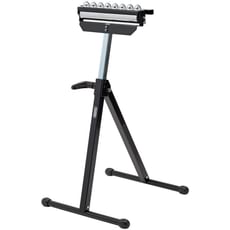
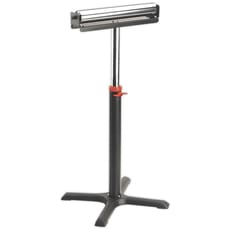
Roller and support stands are essential workshop accessories designed to provide stable, adjustable support for long workpieces during cutting, routing, sanding and assembly operations. Whether you're cross-cutting lengthy timber on a mitre saw, ripping sheet materials on a table saw, or handling awkward panels during fabrication, these versatile stands prevent material sagging, improve cutting accuracy and significantly reduce the risk of kickback or workpiece damage. Available in various configurations including single roller stands, bearing supports and adjustable conveyor systems, these tools transform one-person operations into manageable tasks by effectively extending your work surface.
The range available from Tooled-Up.com includes everything from lightweight portable roller stands perfect for mobile tradespeople, through to heavy-duty industrial conveyor systems capable of supporting materials weighing 100kg or more. Most modern roller stands feature quick-adjustment mechanisms for height settings typically ranging from 700mm to 1150mm, ensuring compatibility with most workshop machinery including mitre saws, table saws, planers and band saws. Premium models offer interchangeable support heads—including cylindrical rollers for continuous feed operations, ball bearing surfaces for multi-directional positioning, and fixed stops for repetitive cutting tasks—providing maximum versatility across different applications.
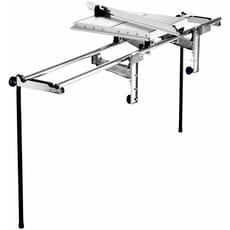
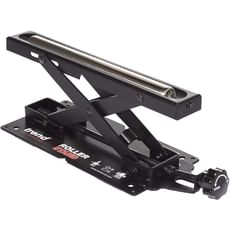
Leading manufacturers such as Bosch, Festool, Draper, Sealey and Trend have developed specialised roller stand solutions tailored to specific tools and working environments. Some stands are purpose-designed for particular machinery like the Festool models engineered specifically for KS120 mitre saws, whilst others offer universal compatibility across multiple tools and brands. Construction quality varies from lighter-duty aluminium frames suited to occasional DIY use, through to robust steel constructions with reinforced legs and wide footprints that meet the demands of daily professional site work and production environments.
Jargon Buster
- Load Capacity: The maximum weight a roller stand can safely support, typically ranging from 50kg for lightweight models up to 150kg for heavy-duty industrial stands. Always verify the combined weight of your workpiece and any tooling before use.
- Ball Bearing Support: A support head featuring multiple ball bearings set into the surface, allowing workpieces to be repositioned laterally (side-to-side) as well as fed forward. Particularly useful when handling sheet materials that require positional adjustment during cutting operations.
- Cylindrical Roller: A single rotating barrel support ideal for continuous feed applications where material moves in one direction only, such as repetitive cross-cutting or ripping operations. Provides minimal friction for smooth material flow.
- Height Adjustment Range: The minimum and maximum working heights achievable with the stand, typically expressed in millimetres. Essential for matching the outfeed height of your specific machinery to ensure level support.
- Quick-Release Mechanism: A lever or button-operated system allowing rapid height adjustment without tools, enabling fast setup and transitions between different machines or working heights.
- Conveyor System: Multiple rollers arranged in series to support extremely long workpieces across their entire length, preventing sagging and maintaining material flatness throughout the cutting or machining process.
Who Uses Roller & Support Stands?
- Carpenters and Joiners: Essential for accurately cutting long timber sections, handling door blanks, and processing architectural mouldings without assistance
- Cabinet Makers and Shopfitters: Critical for safely manoeuvring and cutting sheet materials including MDF, plywood and chipboard panels
- Trim Carpenters: Invaluable when cutting skirting boards, architraves and other decorative timbers to precise lengths
- Decking Installers: Simplify the cutting of long decking boards and structural timbers on site without requiring a second person
- Window and Door Fitters: Support extended sections during cutting and preparation of frames, casings and threshold materials
- Furniture Makers: Provide stable support during dimensioning of components and handling of wide panels throughout construction processes
- DIY Enthusiasts: Transform home workshop capabilities by enabling single-handed operation of power tools when working with materials longer than the machine's table
- General Builders: Useful across multiple trades for cutting structural timber, flooring materials and various building components accurately
How to Choose the Right Roller & Support Stands
Load Capacity Requirements: Begin by assessing the typical weight of materials you'll be supporting. Hardwood timbers, engineered boards and multiple stacked workpieces can quickly exceed 50kg. For professional workshop use or frequent handling of sheet materials, invest in stands rated for 75kg or above. Site-based tradespeople working with structural timbers should consider heavy-duty models capable of supporting 100kg or more to provide adequate safety margins.
Height Adjustment Range: Measure the outfeed height of your primary machinery—typically the table height of your mitre saw, table saw or planer. Select stands offering a height range that comfortably encompasses this measurement with adjustment headroom. Most stands adjust between 700mm and 1150mm, but verify compatibility with lower benchtop tools or taller industrial machinery. Quick-release height adjustment mechanisms save considerable setup time compared to threaded collar systems.
Support Head Configuration: Consider which support type best suits your predominant work. Cylindrical rollers excel at repetitive cutting where material feeds in one direction, whilst ball bearing heads provide superior control when positioning sheet materials that require lateral adjustment. Tooled-Up stocks models with interchangeable support heads, offering maximum versatility across different applications. Fixed stop supports prove invaluable for repetitive cutting to identical lengths.
Portability Versus Stability: Mobile tradespeople require lightweight, collapsible stands that transport easily between sites, whilst static workshop users benefit from heavier, more stable constructions with wider footprints. Folding mechanisms should operate smoothly and lock securely. Check the folded dimensions against your vehicle storage space. Rubber feet prevent movement during use and protect floor surfaces.
Build Quality and Durability: Aluminium construction reduces weight for portability but may lack the rigidity of steel frames under heavy loads or demanding professional use. Welded steel constructions with powder-coated finishes offer superior longevity in dusty workshop environments. Examine adjustment mechanisms for robust construction—plastic components may fail under repeated adjustment cycles in commercial settings.
Brand-Specific Compatibility: Some manufacturers offer stands engineered specifically for their machinery, such as Festool's dedicated stands for their sliding mitre saws or Bosch models designed to integrate with their cutting systems. These provide optimised performance and often feature tool-specific mounting options, though universal stands typically cost less and work across multiple brands.
Popular Accessories
- Additional Roller Stands: Purchase multiple stands to support extra-long workpieces at several points along their length, preventing sagging on extended materials
- Material Stops and Fences: Clamp-on or magnetic stops attach to stands to enable accurate repetitive cutting to identical dimensions
- Outfeed Tables: Complementary fixed tables that work alongside roller stands to provide continuous support surfaces for table saw operations
- Workpiece Clamps: Secure materials to the stand during operations requiring routing, sanding or other processes beyond simple cutting support
- Levelling Feet: Adjustable feet compensate for uneven floor surfaces, ensuring perfect alignment with machinery on site or in older workshops
- Protective Covers: Dust covers or storage bags protect stands during transport and prevent accumulation of workshop debris in adjustment mechanisms
- Replacement Support Heads: Spare or alternative support surfaces extend stand versatility and replace worn rollers or bearing assemblies
Safety Information
Load Limits and Stability: Never exceed the manufacturer's stated load capacity. Overloading can cause catastrophic failure during operation, potentially resulting in serious injury from falling materials or machine kickback. Always verify that the combined weight of your workpiece, including any offcuts that will remain on the stand after cutting, falls within safe limits. When working with particularly heavy or unwieldy materials, deploy multiple stands to distribute weight effectively.
Correct Height Alignment: Misaligned support stands create dangerous working conditions. The roller surface must align exactly with the machine's table height—even minor discrepancies cause workpieces to lift or drop during feed, resulting in binding, kickback or inaccurate cuts. Always verify alignment with a straight edge before commencing work, and re-check after any height adjustment or when switching between different machines.
Secure Positioning and Floor Conditions: Position stands on level, solid ground and ensure all locking mechanisms engage fully before use. Unstable placement on sloping surfaces, loose materials or debris can cause stands to shift or collapse during operation. When working outdoors or on construction sites, verify ground conditions and consider using boards or platforms beneath stand feet to increase stability and prevent sinking into soft surfaces.
Roller Movement Awareness: Keep fingers, clothing and loose items clear of rotating rollers during material feed. Whilst rollers rotate freely to facilitate workpiece movement, they can trap material or draw in clothing. Maintain focus throughout cutting operations and never reach across live machinery to adjust material on support stands. Allow machines to stop completely before making any workpiece adjustments.
Regular Inspection and Maintenance: Inspect adjustment mechanisms, locking collars and support surfaces before each use for wear, damage or looseness. Damaged or worn components compromise stability and load-bearing capacity. Clean rollers and bearing surfaces regularly to remove sawdust accumulation which can impede smooth material movement and cause feeding problems that may lead to dangerous situations.
Frequently Asked Questions
Q: How many roller stands do I need for cutting long materials?
A: For materials up to 2.4 metres (a standard sheet length), one stand positioned approximately 1 metre from the saw usually suffices. For longer timbers exceeding 3 metres, deploy two or more stands spaced evenly to prevent sagging between support points. When cutting extremely long materials like decking boards or structural timbers, position stands every 1.5-2 metres for optimal support and cutting accuracy.
Q: Can I use a roller stand with any brand of mitre saw or table saw?
A: Universal roller stands work with virtually all brands and models, providing the height adjustment range accommodates your machine's table height. However, brand-specific stands like those from Festool or Bosch designed for particular models may offer enhanced integration, purpose-built mounting brackets or optimised positioning for those specific tools. Measure your machine's outfeed height before purchasing to ensure compatibility.
Q: What's the difference between ball bearing and roller supports?
A: Cylindrical roller supports rotate in one direction only, making them ideal for straight feed operations such as cross-cutting or ripping where material moves directly away from the blade. Ball bearing supports allow multi-directional movement, enabling you to reposition sheet materials sideways during cutting—particularly useful when manoeuvring large panels through angled cuts or when making positional adjustments mid-operation.
Q: Do roller stands work for supporting materials during hand tool operations?
A: Absolutely. Whilst primarily designed for power tool operations, roller stands prove equally valuable when hand planing long boards, sanding extended sections, or assembling furniture components. The adjustable height and stable support allow comfortable working positions and prevent workpiece movement. For hand operations, ball bearing surfaces often provide better control than free-rolling cylinders.
Q: How do I prevent the workpiece from rolling off the stand during cutting?
A: Ensure the stand is positioned correctly—typically aligned with the saw's fence or blade path so material feeds naturally onto the roller. The stand should support the workpiece's centre of gravity, not just its end. For narrow materials prone to tipping, consider stands with wider support surfaces or use multiple stands. Some models accept accessory side supports or fences that prevent lateral movement. When cutting sheet materials, position the stand to support the larger offcut section which carries most weight.